Last updated November 18, 2026



Free written scope consultation - allowances, timeline, and change-order rules on paper before a single trade is scheduled
Construction Emergency Preparedness Guide for Inglewood Homes
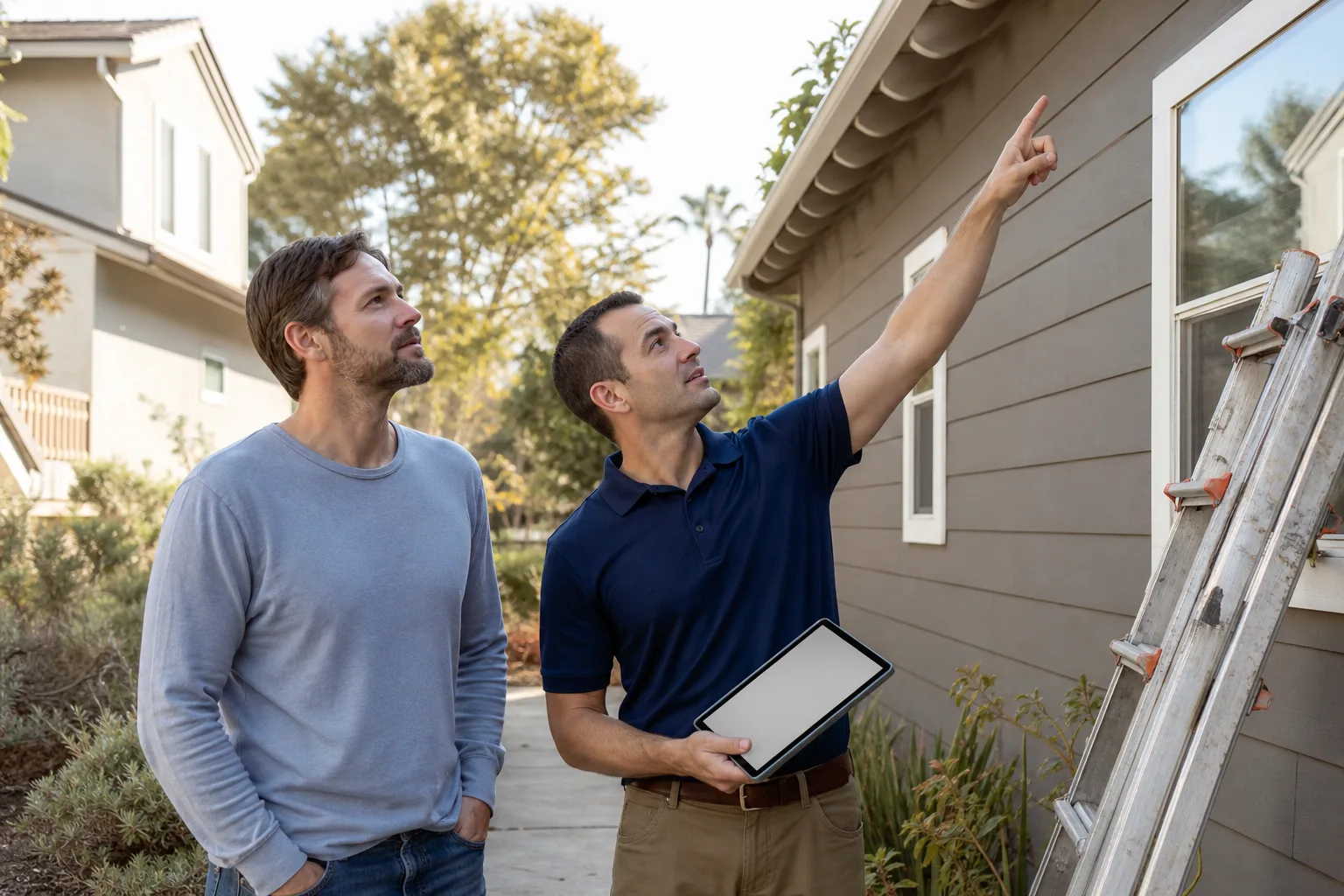
Most homeowners treat emergency prep as a shopping list: batteries, water, a flashlight, a first aid kit. That’s fine for a power outage. It does almost nothing when the emergency is structural. In Inglewood, the events that actually test a home are seismic movement, Santa Ana wind events that push debris and water against a roof, and the slow failure of older building systems that were never upgraded. The part nobody plans for is the paperwork and the contractor relationship, and those are the two things that decide whether your repair starts next week or next month. This guide covers how to document your home before anything happens, what to inspect first after an earthquake, and how to tell a temporary repair from a permanent one.
Quick Answer
Construction emergency preparedness in Inglewood means three things: a photo and document record of your home’s current condition, a pre-established relationship with a licensed contractor who can assess structural damage, and a clear understanding of what counts as a temporary versus permanent repair so your insurance claim doesn’t stall. Homes built with stucco over wood frame, cripple wall foundations and unreinforced masonry chimneys need a specific inspection order, not a general walkthrough. Prepare the paperwork and the contractor contact before the event, not after.
Styles & brands we work with
- Kitchen remodeling
- Bathroom remodeling
- Home additions & ADU
- Roofing
- Windows & doors
- Driveway & pavers
- Fence
Table of Contents
- Why Inglewood Homes Face a Different Emergency Profile
- How to Document Your Home Before Anything Happens
- The Post-Earthquake Inspection Sequence for Inglewood Housing Types
- Temporary vs. Permanent Repair: Why the Distinction Matters on Day One
- Storm Damage: What Needs Immediate Protection and What Can Wait
- Vetting a Contractor Under Time Pressure
- The Building Systems That Fail First in Older Inglewood Homes
- What Actually Belongs in a Construction Emergency Kit
Why Inglewood Homes Face a Different Emergency Profile
Inglewood sits in a basin where seismic energy from regional faults is felt across a wide area, and the housing stock that receives that energy is not uniform. A block of 1920s bungalows on raised foundations behaves very differently from a 1960s stucco tract home on a slab, and both behave differently from a property that has had an addition or ADU added without a corresponding structural review.
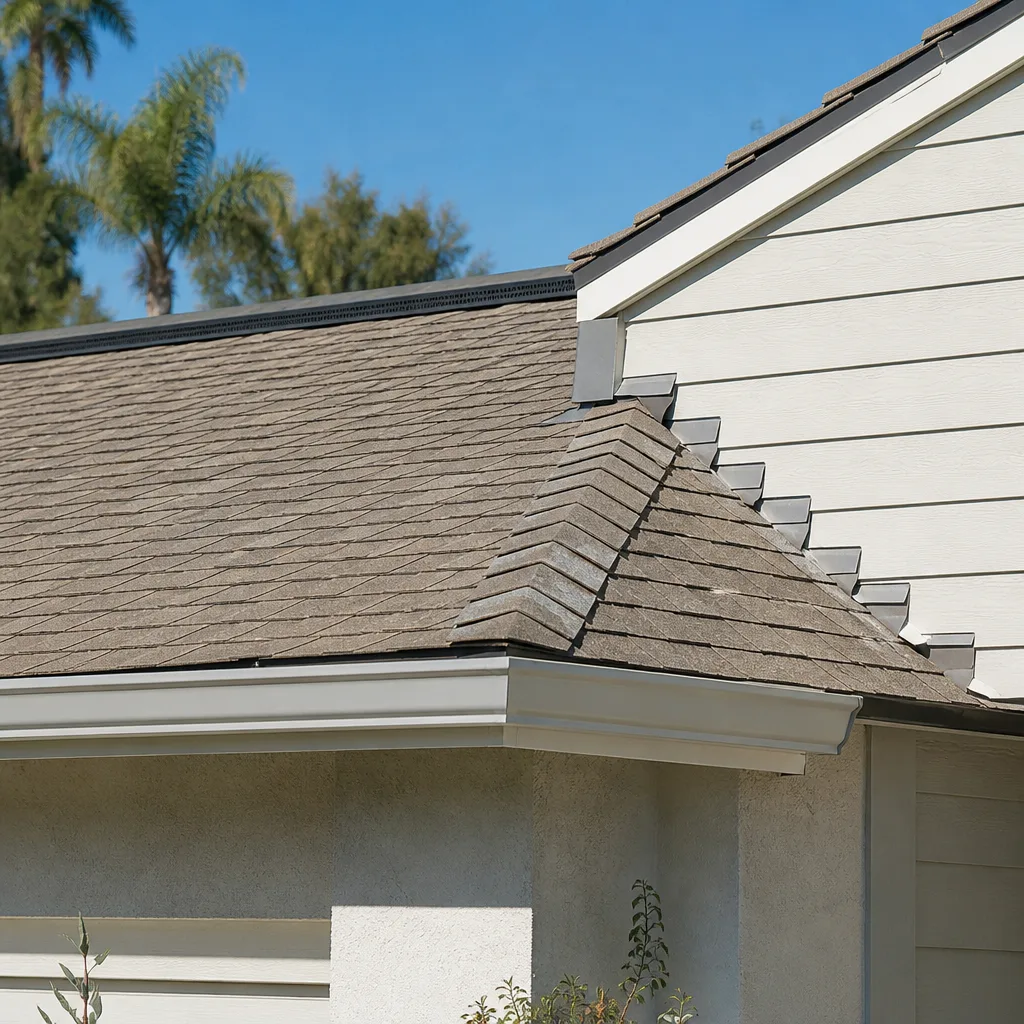
The Santa Ana wind events matter for a separate reason. Dry, sustained wind doesn’t just knock things down; it drives debris against roofing, lifts lighter roof coverings at the edges and forces wind-driven rain into places the roof was never designed to shed water. In a dense city like Inglewood, a neighbor’s failing tree limb or a loose fence panel becomes your roof problem in the same gust.
Aging stock compounds both. Many homes here still carry original galvanized plumbing, undersized electrical service, single-pane windows and fencing that has outlived its posts. None of that is an emergency on a normal Tuesday. All of it becomes one when a seismic event or a windstorm exposes it.
- Seismic movement stresses foundations, chimneys and the connection between wall framing and the roof structure.
- Wind events test roof coverings, gutters, fence posts and older windows.
- Age means the systems absorbing that stress are the original ones.
That combination is why a generic national preparedness checklist misses the mark here. The risks aren’t abstract; they’re specific to how these houses were built and what they’ve been through.
How to Document Your Home Before Anything Happens
The single most useful thing you can do before an emergency costs almost nothing and takes an afternoon: build a condition record of your house. When a claim or an assessment begins, the homeowner who can show what the property looked like beforehand moves through the process faster than the one trying to reconstruct it from memory. Insurers and contractors both work from evidence, and evidence is easier to produce than to recreate.
Here’s the sequence we recommend to Inglewood homeowners:
- Walk the exterior and photograph it systematically. Four corners, each elevation, the roof line from ground level, the chimney, the fence line, the driveway surface and the garage door. Use consistent angles so a future comparison is meaningful.
- Photograph the interior systems. The electrical panel with the door open, the water heater and its connections, under-sink plumbing, the attic access and the garage interior.
- Collect your permits and drawings. Any permit for an addition, a re-roof, a panel upgrade or a home additions & ADU project should live in one folder, physical or digital. These documents tell an assessor what was built to code and when.
- Record material details. The roofing manufacturer and product line, window brand, fixture brands. If your roof is GAF or CertainTeed, note it; a manufacturer warranty claim is easier to open with the product identified.
- Store a copy off-site. Cloud storage or a folder at a relative’s house. A binder in the garage doesn’t help if the garage is the damaged part.
Re-shoot the exterior once a year. A dated photo set is a timeline, and a timeline is what turns a disputed claim into a straightforward one. When we assess a property in Inglewood after an event, we can move much faster when the homeowner hands over a current record.
The Post-Earthquake Inspection Sequence for Inglewood Housing Types
After a moderate quake, the instinct is to walk the whole house at once. Don’t. Inspect in an order that puts the structural load path first and the cosmetic damage last, and don’t enter any space where you can see or suspect structural movement. If a wall is out of plumb, a chimney is cracked through, or you smell gas, get out and call a professional and your utility.
The sequence that fits most Inglewood housing:
- Gas, electrical and water shutoffs. Know where they are before you need them. If you smell gas, leave and call your gas utility from outside. Do not test a shutoff or a panel yourself.
- Foundation and cripple walls. Look at the base of the house from outside for new cracking in the stucco skirt, gaps between the foundation and the sill, or a house that looks like it has shifted on its base. Cripple walls, the short framed walls between the foundation and the first floor, are the weak link in older raised homes.
- Chimneys. Unreinforced masonry chimneys crack at the roofline and can drop material. Inspect from outside and from a distance, never from directly below.
- Stucco over wood frame. Hairline cracking in stucco is common and often cosmetic. Cracks that are wider, that run diagonally from a corner of a door or window, or that repeat on both sides of a wall deserve an assessment.
- Roof and ceiling. Look for new daylight, sagging sheathing, displaced tiles or separated flashing.
- Doors and windows. A door that suddenly won’t latch, or a window that binds, is a racking signal worth noting.
Write down what you find with photos and a date. That record is what you hand to your insurer and to the contractor who assesses the property. Electrical and gas systems are genuinely dangerous after movement; leave those to trained professionals rather than probing them yourself.
Temporary vs. Permanent Repair: Why the Distinction Matters on Day One
This is where homeowners get into trouble with claims, and it happens in the first few hours. A temporary repair is work done to stop further damage and make the property safe: tarping a roof, boarding a window, bracing a wall, removing a loose chimney cap. A permanent repair restores the building to code-compliant condition using the correct materials and methods. The two are not interchangeable, and mixing them up on a receipt can cost you.
Why it matters:
- Your claim needs both line items documented separately. Emergency protective measures and the permanent restoration are usually accounted for differently. A single invoice that says “roof repair” tells an adjuster almost nothing.
- Temporary work is not supposed to become the permanent fix. A tarp left on for months degrades and can trap moisture. A boarded opening that stays boarded becomes a security and weather problem of its own.
- Permits usually apply to the permanent repair, not the emergency protection. Most cities require a permit for structural work and re-roofs; ask Inglewood’s building department what your specific project needs before work begins.
Our advice: photograph and describe the temporary work the day it’s done, keep the receipt separate from the permanent repair estimate, and get the permanent scope in a written line-item quote before anything is installed. That paper trail is what keeps a claim moving. The written estimate should always set the final price, and a legitimate contractor gives you one.
Storm Damage: What Needs Immediate Protection and What Can Wait
Wind-driven rain and debris create a lot of visible damage that isn’t urgent and a small amount that is. Sorting the two is the whole skill. The test is simple: is water entering the building right now, or is the building’s ability to shed water compromised?
Immediate protection needed:
- Missing or displaced roof covering over a living space, with water actively entering.
- Broken windows or doors that leave the interior open to weather.
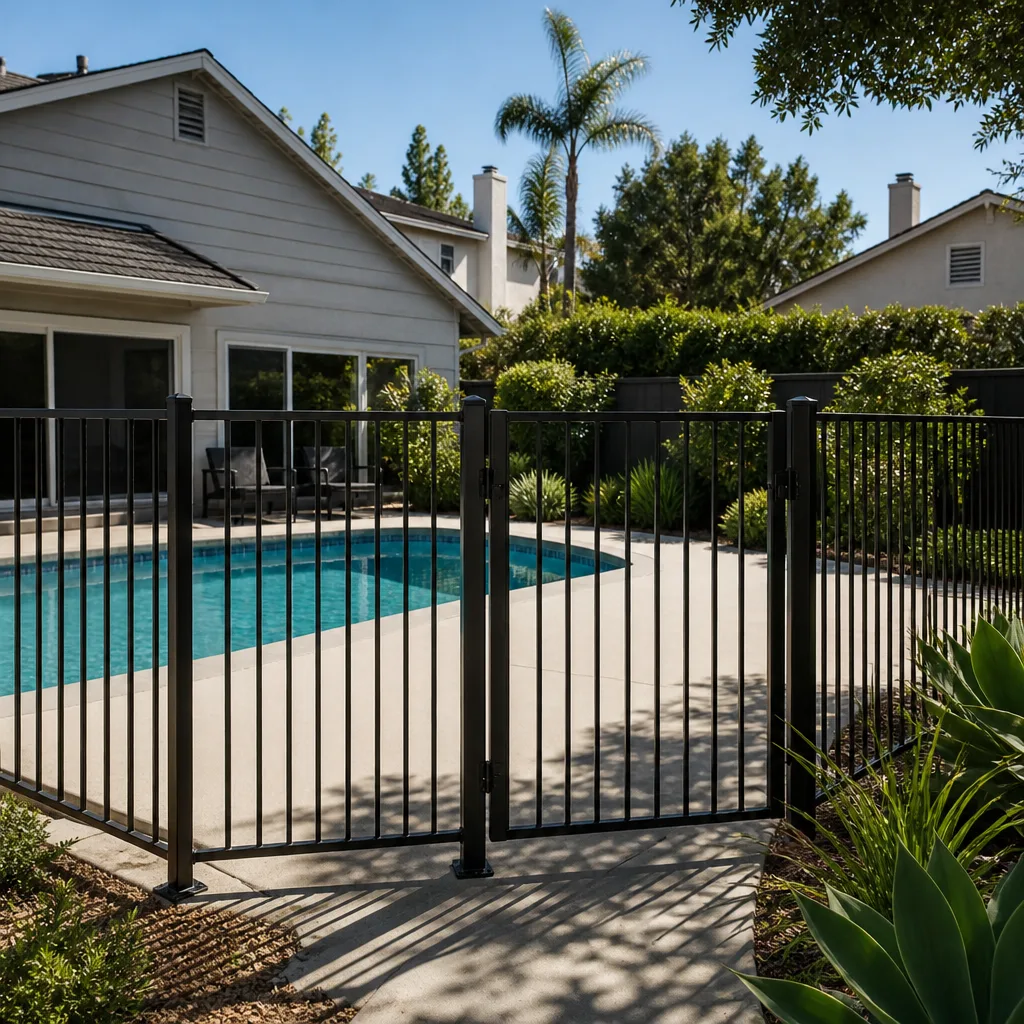
- A fence panel or gate down that exposes a pool, a side yard or a security line.
- Any tree limb resting on a roof, gutter or electrical service drop. Don’t cut it yourself near a service line.
Can wait for a scheduled assessment:
- Granule loss or surface wear on an older roof with no active leak.
- Cosmetic stucco cracking with no interior moisture.
- A leaning fence post still holding its panel.
- Gutter separation that isn’t dumping water against the foundation.
When in doubt, protect. Tarping and weatherproofing are cheap insurance against a much larger interior repair. For driveways and hardscape, storm damage usually shows up as displaced pavers or undermined edges, which can be assessed on a normal schedule. Details on that work live on our driveway & pavers page. And if a perimeter fence is the failure point, our fence installation page covers how posts and panels are set to resist wind load.
Vetting a Contractor Under Time Pressure
Emergencies compress decisions, and that’s exactly when the wrong contractor finds you. The honest shortcuts are few; the steps you should never skip are short but firm.
Acceptable shortcuts in an emergency:
- Verifying license and insurance status online rather than waiting for a printed certificate.
- Accepting a written scope by email instead of a formal in-person presentation.
- Starting emergency protective work before the full permanent scope is designed.
Steps you should never skip, even at 2am:
- Confirm the license. Check the contractor’s license with the state licensing board before anyone touches your structure.
- Confirm insurance. General liability and workers’ compensation. No exceptions, no “we’ll send it over.”
- Get the scope in writing, with line items. Materials, quantities, and what’s temporary versus permanent.
- Never pay the full job up front. A deposit for materials is normal; full payment before work starts is not.
- Don’t sign anything you haven’t read, and don’t sign a blank work authorization. Some door-to-door operators in Inglewood after a storm present exactly that.
The preparation that solves this is the one from the document section: know your contractor before the emergency. When you already have a relationship and a condition record, the vetting is done and the assessment starts immediately. That’s the single biggest advantage a prepared homeowner has.
The Building Systems That Fail First in Older Inglewood Homes
Some failures are sudden. Others have been building for years and only surface under stress. Knowing which systems are on borrowed time tells you what to prioritize before the next event.
- Roof coverings past their service life. A roof at the end of its life doesn’t fail gracefully. It fails at the edge and the penetrations first. If the covering is near replacement age, plan the driveway & pavers or re-roof project on your schedule, not the storm’s.
- Windows and doors with failed seals. Older single-pane units and worn weatherstripping let wind-driven rain past the frame. Modern units from manufacturers like Sterling hold the seal far better, and the manufacturer warranty travels with the product.
- Galvanized or aging plumbing. Water lines and fixtures past their service life fail under pressure changes and movement. Fixtures from Grohe and similar brands carry their own manufacturer warranties, so the repair record is cleaner.
- Undersized electrical service. Older panels and service drops are a fire and safety risk, and they’re not a DIY item. Any panel work belongs to a licensed electrician.
- Fencing and gates. Posts rot at the ground line long before the panel looks bad. A fence that’s already leaning is the first thing a wind event finishes off.
Our technicians have up to 14 years of experience working on exactly this stock of housing, and the pattern is consistent: the emergency is almost always the thing the homeowner already suspected. Planning the upgrade is what removes the emergency.
What Actually Belongs in a Construction Emergency Kit
Beyond the usual batteries and water, a construction-focused kit is about protection and documentation, not tools for doing the work.
- Heavy-duty tarps and a staple gun for emergency roof and opening protection until a professional can assess.
- Plywood and screws sized for window and door openings, cut ahead of time.
- A printed and digital copy of your home record: photos, permits, material brands, insurance policy number.
- Your contractor’s contact in writing, in your phone and on paper. That’s us at (844) 320-4724.
- Utility shutoff locations marked and photographed. Gas and water shutoffs, electrical main.
- A notebook and pen to log damage with dates and photos as you find it.
- Work gloves and eye protection for clearing debris safely.
What does not belong: roofing tools, a ladder for anything above a single story, or an attitude about fixing the structural stuff yourself. Those are exactly the situations that turn a repairable building into a dangerous one.
Common Mistakes to Avoid
- Waiting to find a contractor until after the event. After a regional quake or windstorm, licensed assessment work books up fast across the Los Angeles Basin. The homeowner with a relationship in place gets seen first; the rest wait while moisture and structural movement get worse.
- Photographing the damage but not the “before.” An adjuster needs a baseline. Without a dated condition record, you’re proving what damage looks like but not what was there before.
- Combining temporary and permanent repairs on one invoice. It looks tidy and it stalls claims. Itemize the protective work separately from the restoration.
- Hiring the first truck that shows up with a clipboard. Storm-chasing operators knock on doors after every major event in Inglewood. Verify license and insurance before you sign anything.
- Assuming hairline stucco cracks are always cosmetic. Usually they are. Diagonal cracks at window and door corners, or repeated patterns on both faces, need a real look.
- Leaving a tarp on indefinitely. A tarp is a bridge to the permanent repair, not a roof. Plan the replacement.
- Ignoring a door that won’t latch after a quake. It’s often the earliest signal of racking and worth an assessment.
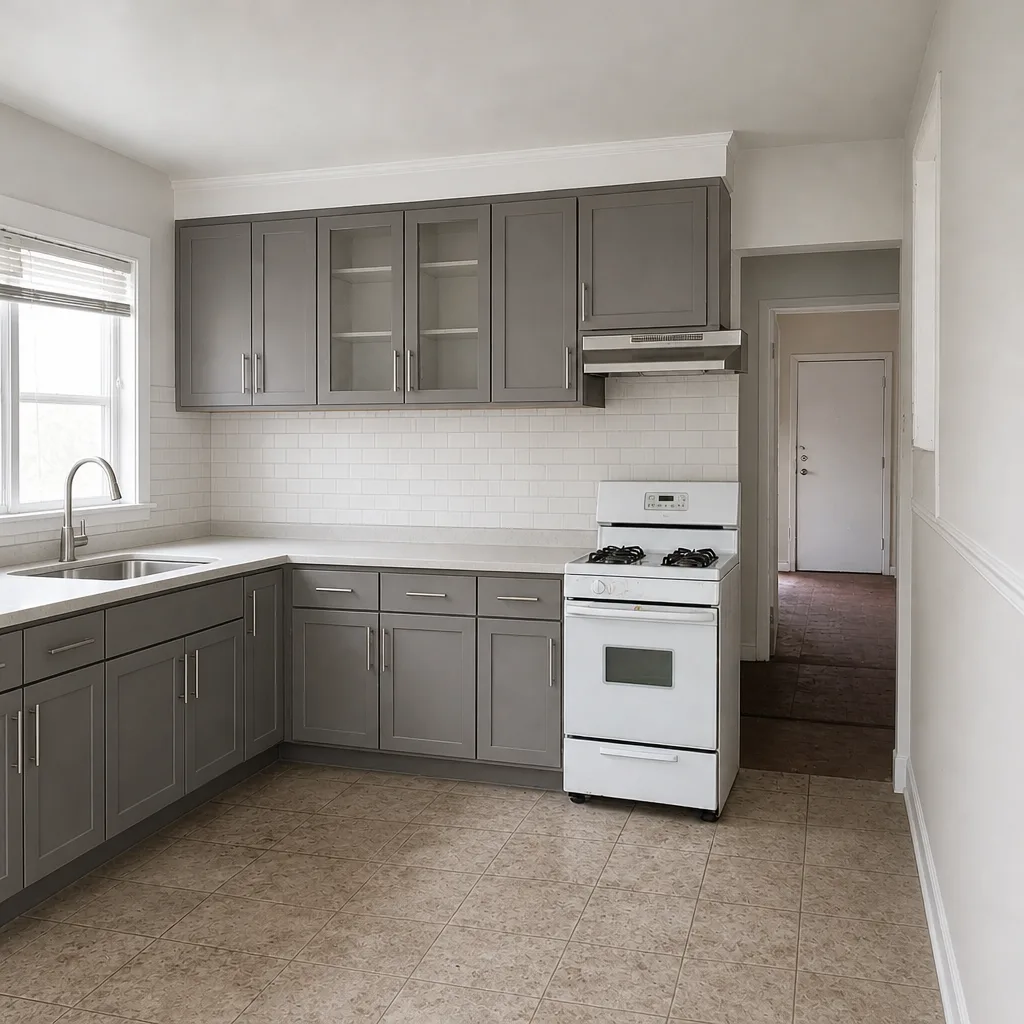
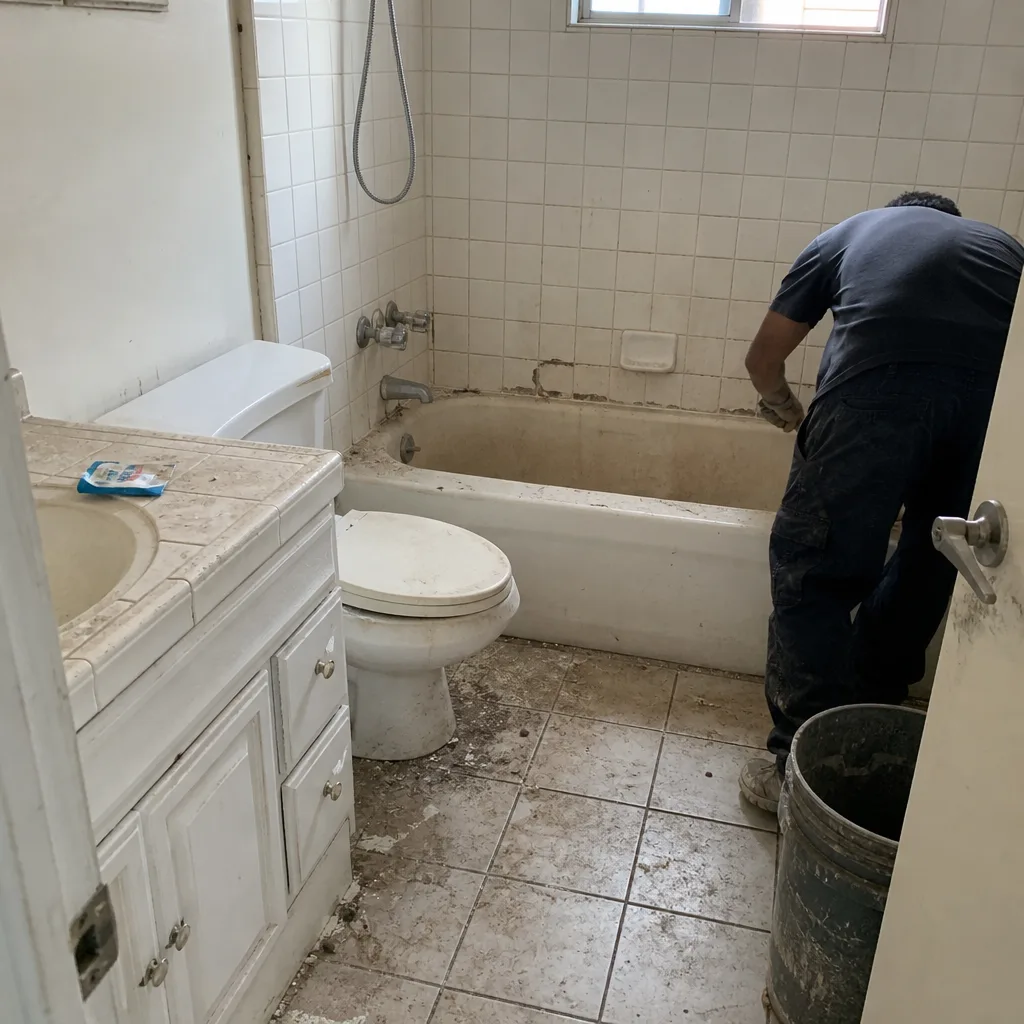
See the difference
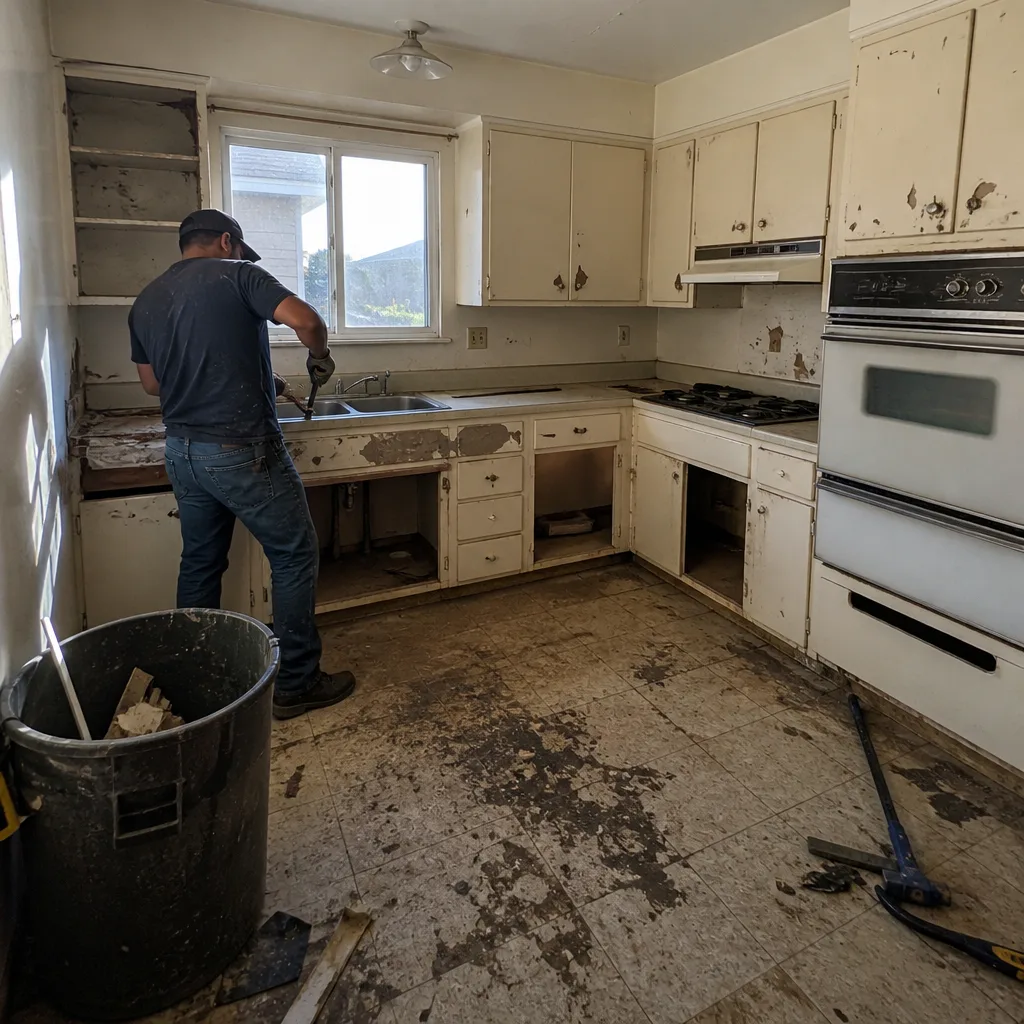 Before
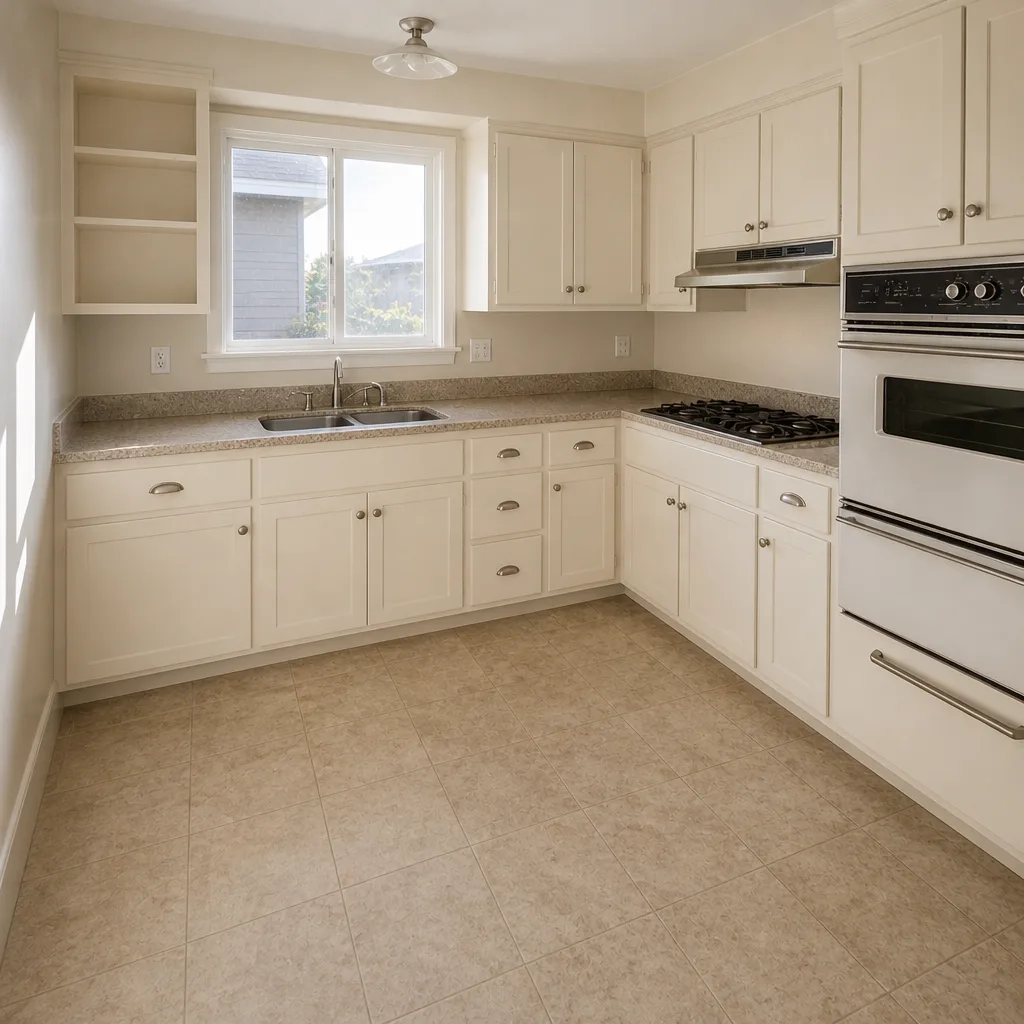 After
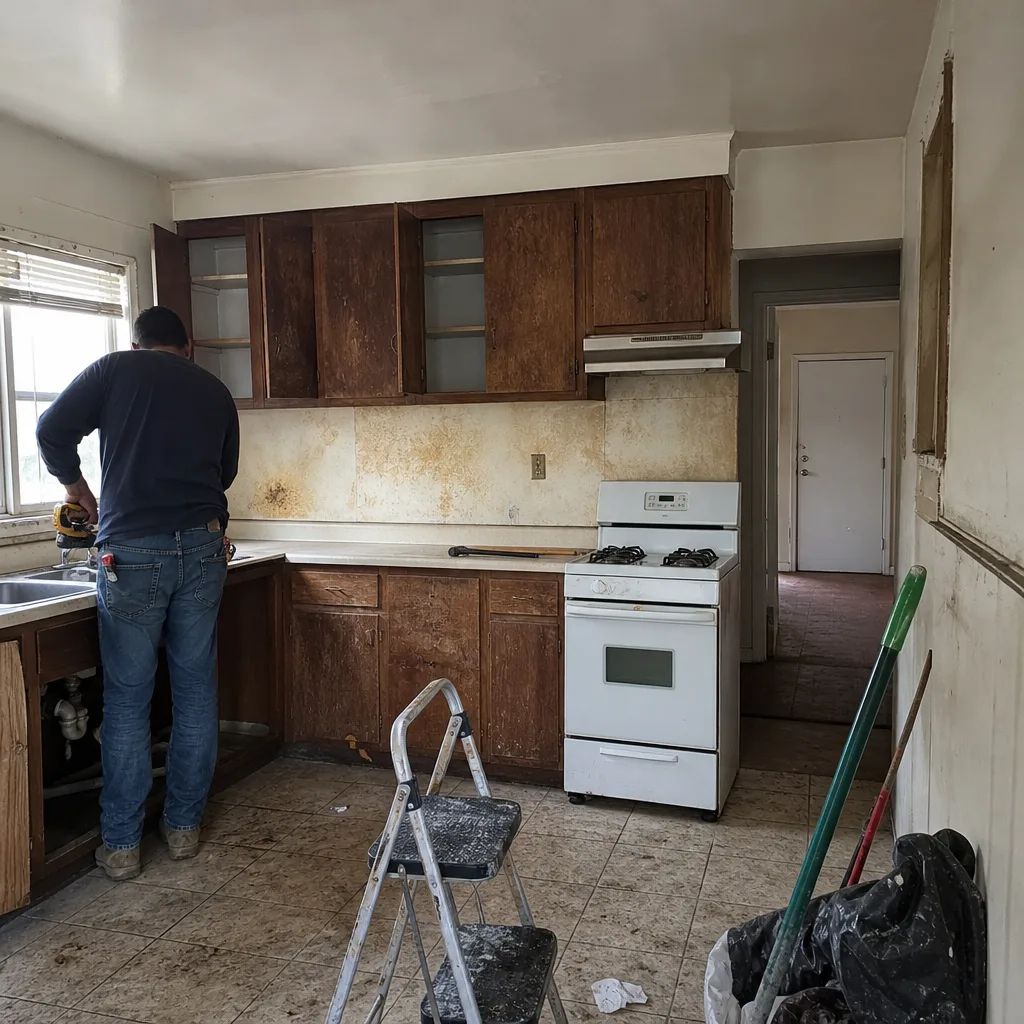 Before
 After
 Before
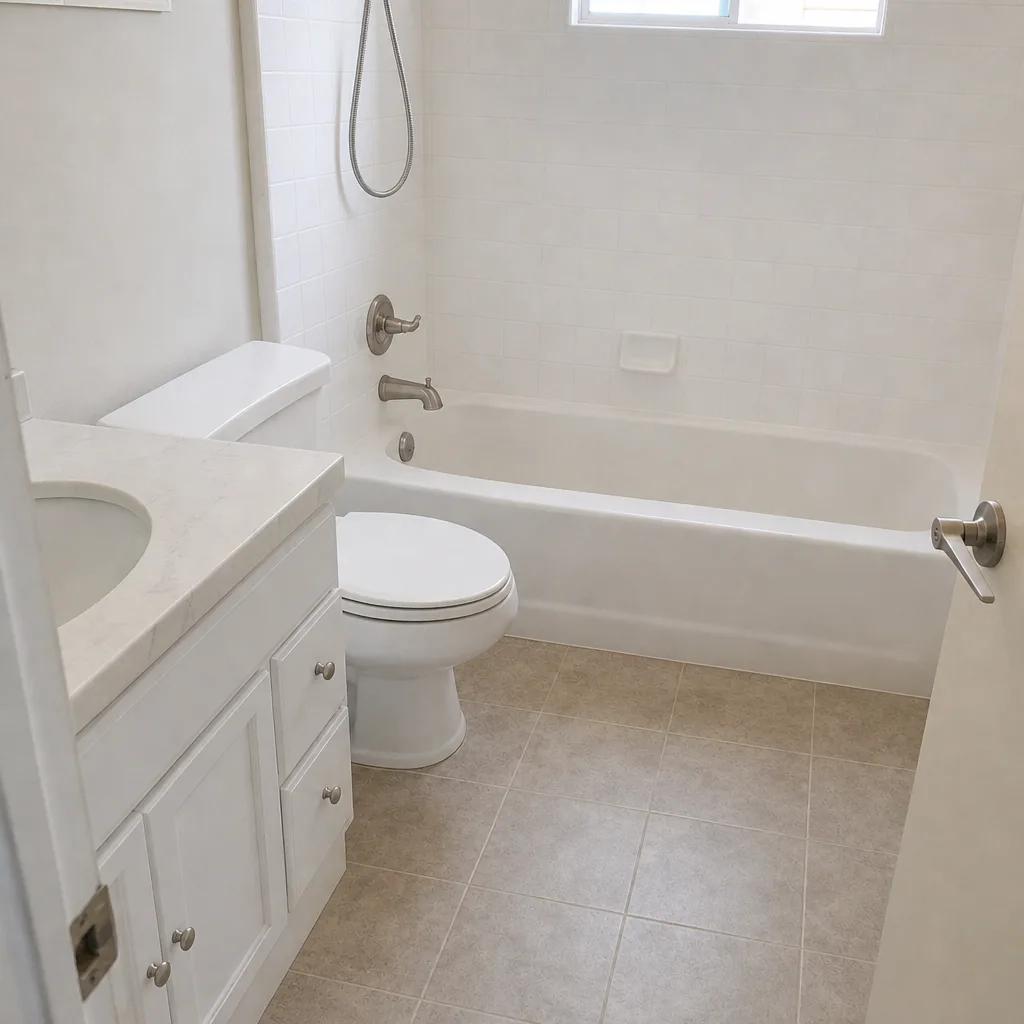 After
When to Call a Professional
Call a licensed contractor when you see structural movement, a chimney cracked through, diagonal stucco cracks at openings, a roof that’s actively leaking, or any damage you can’t confidently categorize. Don’t touch gas or electrical systems after movement; those belong to licensed professionals and your utility, and probing them yourself is how people get hurt.
For a temporary-to-permanent plan, ask for a written line-item estimate with the protective work separated from the restoration. Construction Inglewood offers free estimates in Inglewood. Call Construction Inglewood at (844) 320-4724. We answer 24/7. Fast dispatch from 7am to 7pm, Sunday through Friday. A call outside dispatch hours is booked into the next opening, Sunday through Friday, 7am to 7pm.
Frequently Asked Questions

Check for gas smells and get everyone out if you detect one, then inspect the load path from the outside: foundation, cripple walls, chimney, and roofline. Don’t enter a space with visible structural movement. Photograph what you find and call a licensed contractor for an assessment of anything structural. Call (844) 320-4724 for a free estimate.
Most cities require a permit for structural work, re-roofs and significant framing repairs, and Inglewood follows that pattern. Emergency protective work like tarping usually doesn’t need a permit, but the permanent repair often does. Ask Inglewood’s building department what applies to your project before work begins.
Emergency protective measures are usually accounted for separately from the permanent restoration, so document and itemize them from day one. Keep receipts for the protective work separate from your permanent repair estimate, and take dated photos. Ask your adjuster how protective work should be documented. Call (844) 320-4724 for a line-item estimate.
Hairline cracking in stucco is often cosmetic and related to normal material movement. Cracks that are wider, that run diagonally from the corners of doors and windows, that repeat on both sides of a wall, or that appear alongside doors that no longer latch suggest structural movement. Have it assessed by a licensed contractor. Call (844) 320-4724 for a free estimate.
A dated photo and document record of your home’s current condition, plus a relationship with a licensed contractor. The record speeds up insurance claims and assessments, and the relationship gets you scheduled before the backlog. Call (844) 320-4724 to get one started with a free estimate.
Yes. Replacing failed window and door seals, re-securing fence posts, clearing roof debris and bringing the electrical panel up to current requirements all reduce vulnerability without a full remodel. Windows from brands like Sterling hold up well through wind events. Call (844) 320-4724 for a free estimate on the priority items.
The Bottom Line
Emergency preparedness for an Inglewood home isn’t a flashlight and a battery. It’s a documented baseline of your property’s condition, a contractor relationship established before you need it, and a clear understanding of how temporary protection and permanent repair are tracked separately for insurance. Seismic movement, Santa Ana winds and aging building systems are the threats; documentation and planning are the response. Coordinate the roof, windows, fence and hardscape under one contractor rather than juggling specialists during a crisis. One project, one point of contact, from the driveway to the ridge line. Then the emergency is a schedule problem, not a scramble.
Call Construction Inglewood at (844) 320-4724 for a free estimate. We answer 24/7. Fast dispatch from 7am to 7pm, Sunday through Friday.
Written by the team at Construction Inglewood.