Last updated November 18, 2026






Free written scope consultation - allowances, timeline, and change-order rules on paper before a single trade is scheduled
Construction Warning Signs: An Inglewood Homeowner’s Reference Guide
A crack in an Inglewood stucco wall is almost never just cosmetic. In a city where so much of the housing stock went up between the 1940s and the 1970s, on expansive clay soil that swells and shrinks with every wet winter and dry summer, that crack is often the last visible symptom of a foundation problem that started years before anyone noticed. The cosmetic fix hides it. The underlying movement doesn’t stop. In this guide we’ll walk through the warning signs that actually matter in Inglewood homes, what normal looks like versus what needs intervention, and which professional to call in what order when something looks wrong.
Quick Answer
The construction warning signs that matter most in Inglewood are structural, not cosmetic: stair-step cracks in brick or block, cracks wider than a quarter inch, doors and windows that stick in one season and free in another, sloping floors, and water pooling against the foundation after rain. Cosmetic hairline cracking in stucco is common and usually harmless. The distinction comes down to pattern, width, and whether the movement is ongoing. If you’re unsure, a licensed engineer or a contractor assessment is the right next step, and both are cheaper than waiting.
Styles & brands we work with
- Kitchen remodeling
- Bathroom remodeling
- Home additions & ADU
- Roofing
- Windows & doors
- Driveway & pavers
- Fence
Table of Contents
- Stucco Cracks: Cosmetic vs. Structural
- Post-and-Pier Foundations: What’s Normal Settling
- Spotting Unpermitted Additions
- Drainage Signs in Inglewood’s Flat Topography
- Roof and Exterior Envelope Clues
- Interior Signs: Doors, Floors, and Trim
- What to Do When You Find a Warning Sign
- Which Professional to Call, in What Order
Stucco Cracks: Cosmetic vs. Structural
Stucco is the dominant exterior finish in Inglewood, and it cracks. That’s the honest starting point. A stucco wall applied over wood-frame or masonry will move with temperature, with soil moisture, and with the house itself settling over decades, and hairline cracks come with the territory. The trick is telling the harmless ones from the ones that signal movement underneath.
Cosmetic stucco cracks are typically hairline (under 1/16 inch), random in direction, and confined to the surface layer. They may follow the seams where stucco panels meet or run vertically from a window corner a few inches and stop. They don’t widen over time, and they don’t line up with interior cracks on the opposite face of the same wall.
Structural cracks in Inglewood stucco tend to look different:
- Diagonal stair-step patterns that follow mortar joints in brick or block behind the stucco
- Width over 1/4 inch, or any crack that widens noticeably over a season
- Cracks that wrap corners or continue from exterior to interior on the same wall line
- Horizontal cracks running along a foundation line, which often signal soil pressure or settlement
- Multiple parallel cracks in the same area, suggesting one region of the wall is moving as a unit
In Inglewood’s expansive clay, the wet season and dry season do different things to the soil under a house. A wall that cracks in October and opens wider by February is telling you something the cosmetic patch won’t fix. If you’re seeing this pattern, that’s the moment to bring in a professional assessment. Our technicians have up to 14 years of experience reading exactly this kind of evidence on Inglewood homes, and a walk-through usually clarifies the cause within the hour.
Post-and-Pier Foundations: What’s Normal Settling
A large share of Inglewood homes built between the 1950s and 1970s sit on post-and-pier foundations: a raised wood floor supported by concrete piers or short posts set into the ground, with a crawl space underneath. This system works well, but it also has a specific set of failure modes that show up as warning signs before a floor actually sags.
Normal settling looks like this:
- Doors that stick slightly in the wet season and free up in summer
- A single hairline crack above a door or window corner
- Small, even gaps where baseboard trim meets the floor
- Floors that feel slightly uneven underfoot in older rooms
Warning signs of an actual problem under the floor look like this:
- A noticeable slope in a room that wasn’t there a few years ago
- Doors that no longer latch, or that scrape the floor across the whole swing
- Bouncy or springy floors over a specific area, not just one spot
- Visible gaps between the bottom plate of a wall and the floor
- Sagging under a heavy fixture, a kitchen island, or a bathroom cluster
Post-and-pier systems are repairable, and repairs are cheaper when they’re caught early. If a crawl space is accessible, a contractor or foundation specialist can look at pier condition, wood rot, and shim condition. In our experience across Inglewood, the houses that show up with serious sagging almost always had smaller signs two or three years before anyone acted on them. That window is worth a lot.
Spotting Unpermitted Additions
Inglewood has a long history of homeowners adding a room, an enclosed patio, or a converted garage without pulling permits. Many of these additions work fine for decades, and then a homeowner tries to sell or refinance and discovers the addition isn’t on record. Knowing how to read the signs early saves that headache, whether you’re buying, selling, or already living in the house.
Visual and material discontinuities are the best evidence:
- Exterior wall cladding that changes color or texture at a seam, where the original stucco meets a newer application
- Rooflines that don’t quite match between sections of the house, or a second roof pitch grafted onto the original
- Interior door casings and trim in a newer style than the rest of the house
- Ceiling heights that step down between rooms without a structural reason
- Floor transitions where one room’s finished floor sits at a different height than the adjacent room
- No HVAC registers in an added room, or a room with a space heater where every other room is ducted
- Plumbing fixtures in a bathroom that match a completely different era than the rest of the house
If you want to confirm what’s on record, Inglewood’s building department holds permit history for any address. A permit search, sometimes called a permit pull, tells you what was officially built and when. If you’ve found an addition that isn’t on record, the fix usually involves either retroactive permitting (which requires inspection and sometimes corrective work) or removal during a remodel. This matters most when you’re planning a remodel or an addition of your own, because the city will look at unpermitted square footage as it processes your new permit. That’s an excellent time to have a contractor whose full-scope capabilities include home additions & ADU, since the same visit can assess both problems at once.
Drainage Signs in Inglewood’s Flat Topography
Water in Inglewood doesn’t go far. The city sits on relatively flat ground with clay soil that absorbs slowly, which means a rainstorm’s worth of water can collect against a foundation for hours and stay in the soil for weeks. That’s why drainage issues show up as foundation issues here more often than they do in hillier terrain, and why drainage warning signs deserve more weight than they might elsewhere.
Signs to look for after rain:
- Water pooling within 10 feet of the foundation for more than a few hours
- Soil that stays spongy in a particular corner of the yard after the rest has drained
- A visible slope toward the house rather than away from it, sometimes called negative grade
- Downspouts that drop water directly against the wall or into a planter box built against it
- White mineral deposits or efflorescence on the lower stucco, which usually means water is wicking through
- Water stains or mold smell in a crawl space or at the base of a wall in a room below grade
The fix isn’t always expensive. Sometimes a downspout extension, a regraded swale, or a small dry well in the right place takes care of it. Sometimes it’s a larger hardscape correction, which is why the paving around the house is worth thinking about as part of the same project. When you’re looking at a driveway or patio replacement, our team handles driveway & pavers with an eye to how water actually leaves the property, not just how the finished surface looks on day one.
Roof and Exterior Envelope Clues
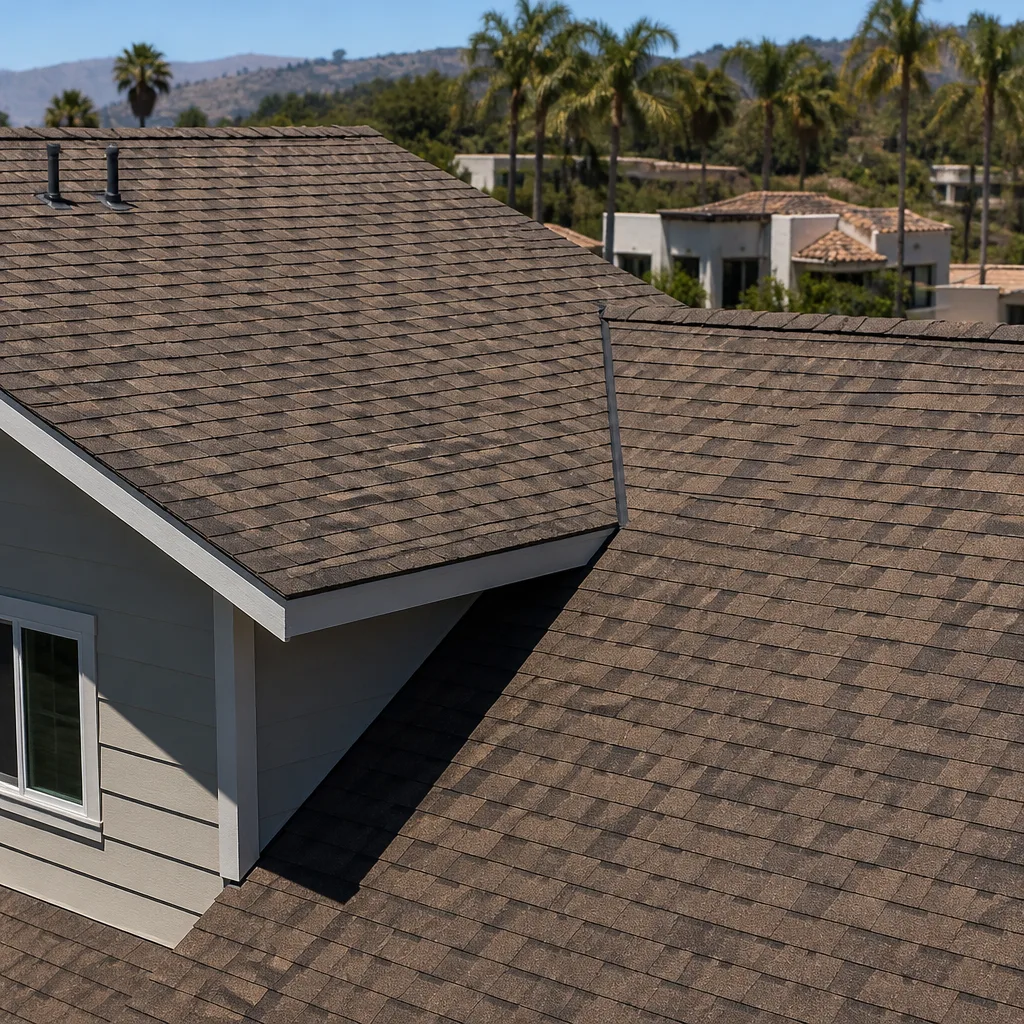
Roofs in Inglewood take a specific beating: months of dry heat, then concentrated rain in the winter, with little in between. That pattern is hard on shingles, flashing, and the seals around vents and skylights. Warning signs on the roof are often the first place a homeowner notices an exterior problem, and they’re usually visible without getting on a ladder.
From the ground, look for:
- Curling or lifted shingle edges, especially on south- and west-facing slopes
- Granules collecting in gutters or at the base of downspouts, a sign the shingle surface is breaking down
- Dark streaks on the roof planes, which point to algae or trapped moisture
- Sagging between rafters, which is a structural warning, not just a roofing one
- Rusted or loose flashing around the chimney, vents, or where the roof meets a wall
- Ceiling stains or musty smell in a room below the roof, always worth investigating
Roofing is one of the seven service categories we run at Construction Inglewood, backed by material partnerships across seven manufacturers including GAF, CertainTeed, Owens Corning, IKO, Atlas, Tamko, and Boral. That range means you’re not locked into one product line when a repair becomes a replacement. Because roofs, gutters, and drainage all interact, it also means one assessment can look at all three together and tell you which is actually failing. Our team handles Construction Inglewood projects of every scale, from a flashing repair to a full roof replacement, and the same visit can evaluate the wall, window, and gutter system around the roof.
Interior Signs: Doors, Floors, and Trim
Some of the most reliable construction warning signs live indoors, where the finish work reveals movement and moisture that the exterior hides. These are the signs to walk through a room looking for before you buy an Inglewood house, or before you commit to a remodel.
Interior warning signs to check for:
- Doors that need a push or pull in one season and swing freely in another, which points to seasonal foundation movement
- Cracks radiating from door and window corners, especially on the same wall as a matching exterior crack
- Floors that slope noticeably when tested with a level or a marble across a room
- Baseboards and casings that have pulled away from the wall or floor
- Water stains on ceilings or around windows, which point to roof, flashing, or window seal failure
- Musty smell in a closet or behind a bathroom vanity, often a slow supply-line or drain leak
- Windows that don’t latch or seal, which may be settling, sagging, or simple wear
Windows deserve a separate note because window problems and foundation problems can look alike. A single sticking window is a window. Every window on one side of the house sticking in the same way is a wall or foundation issue. Replacing a window won’t fix that, and our windows & doors assessments start by ruling out movement before recommending a replacement. It saves homeowners from paying for the wrong fix.
In kitchens and bathrooms, the fixture itself is sometimes the warning sign. A Kohler faucet that’s been leaking under the sink for months has almost certainly damaged the cabinet base before the leak showed on the ceiling below. Moen and Delta supply lines fail in similar ways. During a remodel, we install replacement fixtures from brands like Kohler, Moen, Blanco, and Delta that carry their own manufacturer warranties, so the new fixture starts fresh with coverage that extends beyond the installation.
What to Do When You Find a Warning Sign
Once you’ve spotted a warning sign, the wrong response is usually one of two things: ignore it because it seems cosmetic, or call a specialist immediately and get a diagnosis you’re not ready for. The right response is a short sequence that starts with documentation.
Here’s the process we recommend to Inglewood homeowners:
- Photograph the sign with something for scale. A coin, a tape measure, or a ruler in the frame tells you and any professional whether a crack is 1/16 inch or 3/8 inch.
- Note the date. Movement matters more than a single snapshot. A crack that’s stayed the same for two years is a different situation from one that grew over one winter.
- Check the matching location on the opposite face of the wall. Interior and exterior cracks on the same wall line are usually structural; isolated cracks are usually not.
- Write down any related symptoms. Doors sticking, floors sloping, ceiling stains, musty smells. These together tell a contractor more than any single sign.
- Get a contractor assessment before calling an engineer. A contractor can rule out the obvious causes (drainage, roof, roofing penetration, plumbing) with a walk-through and tell you whether an engineer is actually needed.
- If the assessment points to structural movement, call a licensed structural engineer. An engineer’s report is the document you’ll need if the problem turns out to be significant, and it’s the right level of expertise for a real foundation issue.
That order matters. A plumbing leak that’s damaged a wall is cheaper to fix than an engineer’s report that rules out a structural cause. Starting at the bottom of the chain and working up saves money when the answer is simple, and doesn’t delay when the answer isn’t.
Which Professional to Call, in What Order
Not every warning sign needs the same professional. Matching the sign to the specialty is the single most useful thing a homeowner can learn from this guide.
Here’s how we match problems to professionals:
- Stucco cracks alone → a stucco or plaster contractor can evaluate and repair. If the crack has a structural pattern, escalate to a general contractor.
- Cracks plus door and floor symptoms on the same wall line → a general contractor first, then a licensed structural engineer.
- Ceiling stains, missing shingles, flashing damage → a roofing contractor can assess and diagnose on the same visit.
- Pooling water near the foundation, spongy soil, negative grade → a general contractor or landscape drainage specialist can assess, then integrate a fix with any related paving work.
- Rot, water damage, or termite evidence under the floor → a general contractor, plus a licensed pest inspector if termites are suspected.
- Unpermitted additions → a general contractor with permit experience first, and Inglewood’s building department for records.
- Kitchen and bathroom fixture leaks that have caused damage → a licensed plumber for the immediate leak, then a remodeling contractor for the rebuild.
Because Construction Inglewood runs seven residential service lines under a single contractor, we’re often the second call when a homeowner has already identified a problem, and the first call when they don’t know what’s wrong yet. One contractor can review the entire property from the roofline to the paver apron and tell you which fixes are urgent, which can wait, and which belong to a specialty we don’t cover. If you’ve found one of the warning signs in this guide and want a walk-through, call (844) 320-4724 for a free estimate.
Common Mistakes to Avoid
- Patching a structural crack with stucco and assuming it’s fixed. Patching hides the symptom without addressing the cause, and it makes the next assessment harder because the evidence has been covered over.
- Calling a foundation company first when the problem is drainage. In Inglewood’s flat clay soil, half the “foundation” problems we see are really water problems. Fixing the water first sometimes eliminates the need for a foundation repair entirely.
- Assuming an unpermitted addition can always be legalized. Retroactive permitting requires the structure to pass current code, and some older additions won’t. Better to know before you’re 60 days from a closing.
- Replacing all the windows because they stick. If every window on one wall sticks in the same way, the windows aren’t the problem. Replacing them won’t stop the sticking, and it costs far more than the actual fix.
- Ignoring moisture in a crawl space because the floor above “looks fine.” Rot starts under a floor and shows up in the room only after a lot of damage is done. A quick inspection is cheaper than a floor replacement.
- Hiring a different specialist for every warning sign. When the roof, drainage, stucco, and windows all interact, sequential contractors often undo each other’s work. One assessment across the whole envelope catches the interaction.
- Waiting for a small sign to become a large one. The window between a hairline crack and a repair that requires lifting the floor is usually two or three years. That window is what this guide is meant to protect.
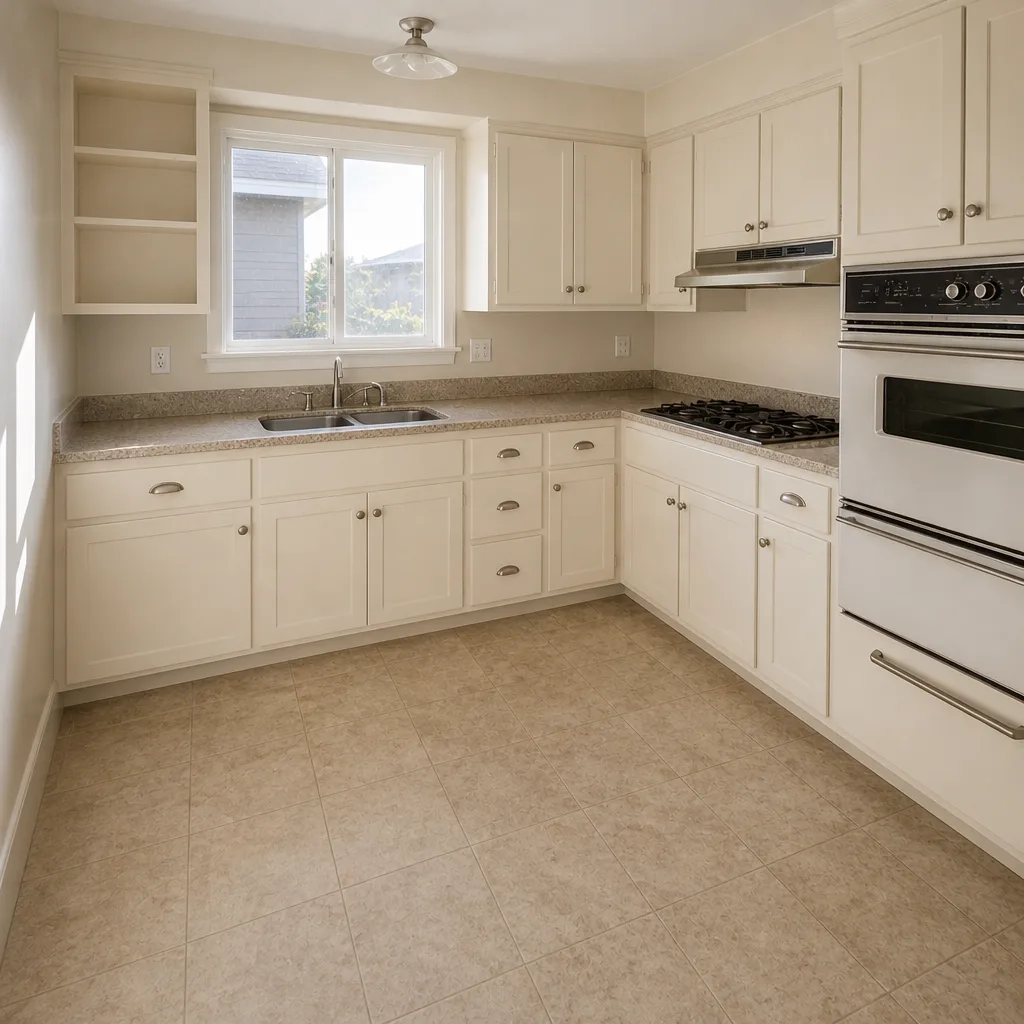
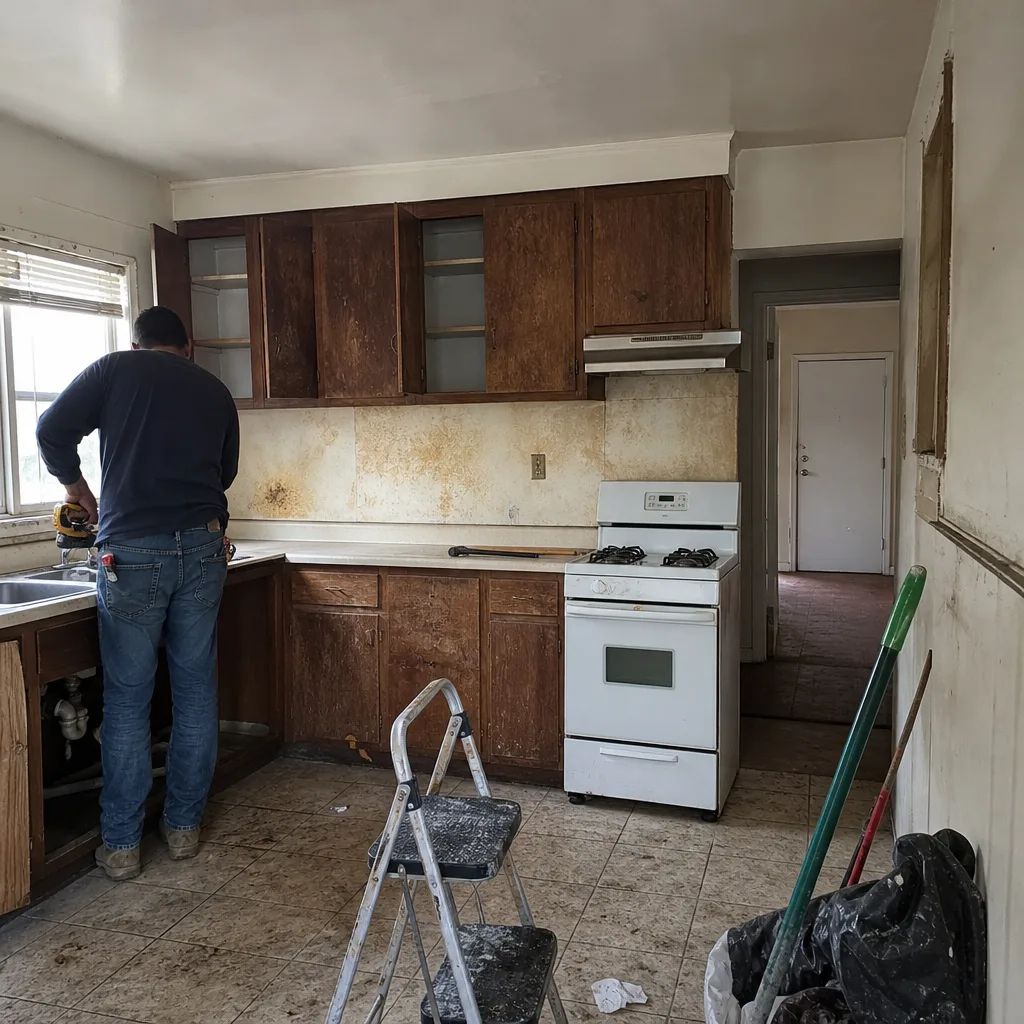
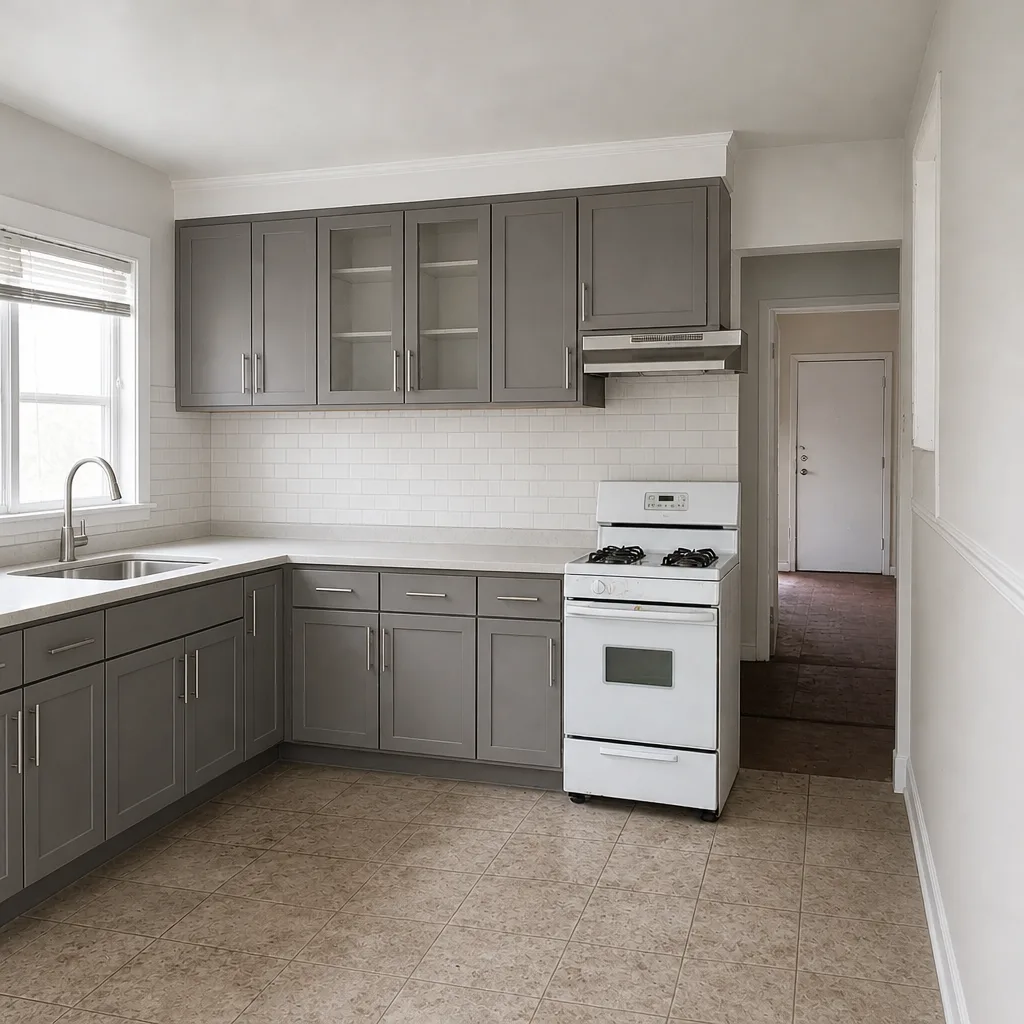
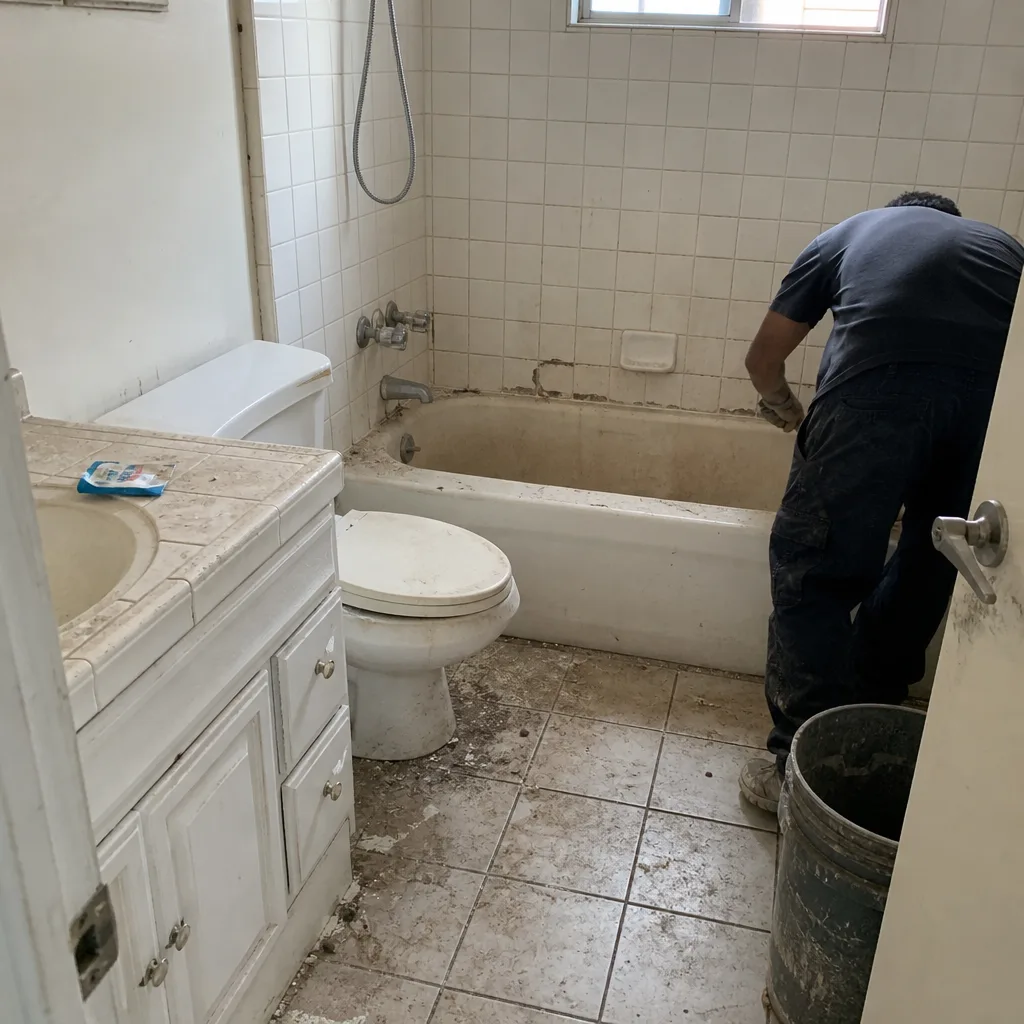
See the difference
 Before
 After
 Before
 After
 Before
 After
When to Call a Professional
Call a professional when a warning sign changes over time. Not when a single hairline crack appears, but when it widens, when a door that worked last summer now catches, when a floor feels different underfoot than it did a year ago. Also call when you see a sign you can’t classify: a stucco crack that runs diagonally instead of vertically, a ceiling stain that keeps returning after a roofing repair, water pooling against the foundation in a spot that never used to hold water, or evidence under a floor that you can’t quite see. In each case a contractor assessment is the correct first move. From there, an engineer, a plumber, or a pest specialist can be brought in only if the assessment points that way. Construction Inglewood offers free estimates in Inglewood, so call (844) 320-4724 to schedule a walk-through.
Frequently Asked Questions

No. Most stucco cracks in Inglewood homes are cosmetic and caused by normal movement and seasonal expansion. The ones that matter are diagonal stair-step cracks, cracks over 1/4 inch wide, and any crack that widens over time or appears alongside an interior crack on the same wall. If you see any of those patterns, call for an assessment rather than patching. Call (844) 320-4724 for a free estimate.
Look for material discontinuities: a different stucco color at a seam, an inconsistent roofline, a bathroom in a newer fixture style than the rest of the house, or a room with no HVAC registers. The most reliable answer is a permit record search through Inglewood’s building department for your address. If the record doesn’t match what’s there, an assessment will tell you whether it can be legalized. Call (844) 320-4724 to set up a walk-through.
Normal settling shows as a small, even gap at the baseboard, a single hairline crack above a door corner, and doors that stick slightly in the wet season and free in summer. What to watch for is change: a room that slopes now and didn’t before, doors that scrape the whole swing, bouncy floors over a specific area, or visible gaps between a wall’s bottom plate and the floor. If you’ve noticed those, call (844) 320-4724 for a free assessment.
Inglewood’s flat ground and clay soil mean water stays in place after a storm rather than running off. That pooling water wicks into the soil against the foundation and can cause movement over time. Signs to watch for after rain are pooling within 10 feet of the house, spongy soil in one corner, visible grade sloping toward the house, and downspouts dropping water against a wall. Call (844) 320-4724 if you’ve noticed any of these.
Call a contractor first. A contractor can rule out drainage, roofing, plumbing, and other non-structural causes with a single walk-through, which is faster and less expensive than starting with an engineer. If the evidence points to actual foundation movement, the contractor will say so and a licensed structural engineer is the correct second call. Call (844) 320-4724 for a free estimate.
Yes, when the repair falls within the seven services we cover: roofing, windows & doors, fence installation, driveway & pavers, kitchen remodeling, bathroom remodeling, and home additions & ADU. That range means a drainage problem that needs regrading, a wall repair that needs stucco and new windows, and a kitchen that needs rebuilding after a fixture leak can be coordinated by one contractor instead of three. Call (844) 320-4724 to schedule a free estimate.
The Bottom Line
The warning signs in an Inglewood home are worth reading carefully, because the consequences of missing them are expensive and slow. Cosmetic cracks and real movement look similar at first, but they behave differently over time, and the tell is usually whether the sign is changing. Watch for stair-step patterns, cracks over 1/4 inch, doors that stick in the wet season and free in summer, sloping floors, water pooling near the foundation after rain, and material discontinuities that suggest an unpermitted addition. Document what you see, note the date, and start with a contractor assessment before escalating to an engineer. That order saves money without delaying real fixes. Construction Inglewood’s team has up to 14 years of technician experience reading these signs on Inglewood houses, and a free walk-through is the right first step when something looks wrong.
If you’ve read this guide and something you’ve noticed in your own home lines up with a warning sign, call Construction Inglewood at (844) 320-4724 to schedule a free estimate. We answer 24/7. Fast dispatch from 7am to 7pm, Sunday through Friday. Our technicians will walk the property with you, point out what they see, and put together a written, line-item estimate so you know exactly what needs doing and what doesn’t. Whether the answer turns out to be a cosmetic patch, a drainage correction, or a full assessment across the roof, walls, and paving, one contractor from the driveway to the ridge line keeps the whole picture in view.
Written by the team at Construction Inglewood.