Last updated November 18, 2026
Free written scope consultation - allowances, timeline, and change-order rules on paper before a single trade is scheduled
Choosing the Right Construction Brand: A Buyer’s Guide for Inglewood
A premium roofing shingle installed by a contractor who isn’t certified by that manufacturer can perform worse than a mid-tier product installed correctly by a certified applicator. That sounds backwards until you understand how warranties actually work. The manufacturer’s top-tier coverage usually depends on two things lining up: the product and the person installing it. When they don’t line up, the warranty that sold you on the brand quietly disappears in the fine print. This guide is about closing that gap. We’ll walk through how brand selection really works for a home in Inglewood – the specs that matter in this climate, how to read warranty terms, and how to check a contractor’s claimed partnerships instead of taking them on faith.
Quick Answer
Choosing the right construction brand in Inglewood means matching three things to your project: the product’s performance specifications for this climate, the warranty terms and who is obligated to honor them, and the installing contractor’s certification with that manufacturer. Prestige matters far less than the fit. A well-specified mid-tier product installed by a certified applicator with local distributor support will usually outperform a top-shelf brand installed off-certification with no service network behind it.
Styles & brands we work with
- Kitchen remodeling
- Bathroom remodeling
- Home additions & ADU
- Roofing
- Windows & doors
- Driveway & pavers
- Fence
Table of Contents
- How Manufacturer Certification Programs Actually Work
- Which Specifications Matter Most in Inglewood’s Climate
- How to Compare Warranty Terms Across Brands
- Why Local Distributor Presence Decides Your Warranty Service
- How to Verify a Contractor’s Claimed Brand Partnerships
- A Category-by-Category Brand Primer for Inglewood Homes
- Seven Steps to Choosing a Brand the Right Way
- Common Mistakes to Avoid
How Manufacturer Certification Programs Actually Work
Manufacturer certification is a tiered system, and “we install this brand” is not the same as “this brand certifies us.” Those are two very different sentences on a proposal, and the difference can be thousands of dollars of coverage later.
Most manufacturers run a ladder of programs. At the bottom, any licensed contractor can buy and install the product, and the homeowner gets the product’s base warranty only – a materials warranty that covers the shingle or the window but says nothing about the labor to fix a leak caused by how it went in. Higher up, a contractor completes training, maintains insurance and licensing documentation, and commits to installation standards the manufacturer specifies. In return, the manufacturer extends the warranty, often covering both materials and labor for a set period.
Here’s what a certification program actually obligates the contractor to do differently on your project:
- Follow the manufacturer’s installation standards – including the number of fasteners, underlayment type, and flashing details the brand requires, not just what local code allows as a minimum.
- Maintain documented licensing and insurance that the manufacturer verifies and re-checks on a cycle, not just at signup.
- Use the manufacturer’s specified accessory components – the starter strips, ridge vents, and sealants the warranty depends on. Substituting a generic accessory is one of the fastest ways to voids coverage.
- Offer the enhanced warranty to you at contract time and register the job with the manufacturer so your coverage is on record.
- Handle warranty claims through the manufacturer’s program rather than leaving you to negotiate as a stranger.
In our experience, the single most common warranty disappointment is a homeowner who bought a brand-name product from a contractor who was never certified to install it. The product is fine. The coverage isn’t. Ask a simple question before you sign: “Are you a certified installer for this specific product line, and what tier?” A contractor who can answer that precisely is showing you their actual standing, not a marketing claim.
Which Specifications Matter Most in Inglewood’s Climate
Inglewood sits in a mild, dry-summer climate, and mild is easy to underestimate. Mild doesn’t mean harmless. It means the damage happens slowly – sun exposure, wind-driven rain, and the damp cool air that rolls in off the coast each morning. The brands and specs that hold up in Inglewood are chosen for those conditions, not for a snow belt or a desert.
Three categories carry the most climate-specific weight here:
Roofing: wind and UV ratings. Inglewood’s sun is steady and strong for most of the year, and UV is what ages asphalt, fades finishes, and takes the flexibility out of the materials that are supposed to seal your roof. Look at the manufacturer’s wind rating and their UV or weathering data, not just the color and profile. Wind warranty ratings matter too – the same mild climate that never buries a roof in snow can still lift an under-fastened one. A brand with strong wind and UV certification from a manufacturer with a real installation standard is what you want.
Windows and doors: corrosion resistance and sealing. The morning marine layer is a real factor in Inglewood. It’s a daily dampness that tests hardware, frames, and seals over many years. Frames and hardware with good corrosion resistance, plus proper flashing and sealing details, protect you from the slow creep of moisture into the wall cavity. When you choose windows and doors, ask about their hardware coatings and how the system handles persistent damp air, not just the U-factor on the spec sheet.
Waterproofing: vapor drive direction. This is the one most homeowners never think about. Vapor collects and moves based on where it’s wet and where it’s dry. In a mild climate, the waterproofing on a bathroom wall, a shower pan, or a foundation needs to be installed so moisture drives outward – away from the interior – rather than being trapped. The wrong membrane installed in the wrong direction builds up a slow problem behind the tile. Ask which waterproofing system the brand uses and how it handles vapor movement in this climate. A contractor who can answer that is thinking like a builder, not a materials salesman.
Every construction region has its own pressure points. In Inglewood those are sun, wind, and damp morning air. Match your brand choice to them.
How to Compare Warranty Terms Across Brands
A “lifetime warranty” is one of the most misread phrases in construction. Read the fine print before you let it drive your decision.
Here’s what to compare, brand to brand:
- What the lifetime actually covers. Many “lifetime” warranties cover the product only, for as long as you own the home, not the labor to remove and replace it. A product warranty that replaces a shingle free but leaves you paying for the roof labor is not the same value as one that covers both.
- Transferability. If you sell, does the warranty follow the house? A transferable workmanship warranty with a set term is often worth more at resale than a product-only warranty that dies with you.
- Workmanship versus materials. These are two distinct warranties from two distinct parties. The manufacturer covers the product. The installer covers the workmanship. You want both in writing, and you want to know who’s on the hook for what.
- Exclusions and the maintenance requirement. Many warranties require documented upkeep or void if a different contractor touches the work. Read the exclusions section, not just the headline.
- Claim process. Who files? Who resolves? If the answer is “you, the homeowner, calling a call center,” that’s a different experience than a contractor who handles it through the manufacturer’s program.
For a category with strong manufacturer warranty programs, look at names like Belgard and Unilock for hardscape and pavers – both offer established product warranty structures with Southern California distribution. For fencing, brands like Bufftech and ActiveYards in vinyl carry terms worth comparing side by side; they’re not identical, and the differences show up in transferability and coverage length.
Compare two things side by side, every time: the product’s own warranty, and the installing contractor’s workmanship warranty. The combination is what protects you, not either one alone.
Why Local Distributor Presence Decides Your Warranty Service
This is the part buyers rarely think about until something goes wrong. The brand might be excellent. If it has no real distribution in Southern California, warranty service becomes a waiting game.
A few things break when a manufacturer lacks local distribution:
- Replacement parts take weeks. A damaged window sash or a specific roofing accessory has to be special-ordered and shipped from a regional warehouse, if one exists. The fix stalls while you wait.
- Warranty claims get harder. A brand with a strong local dealer network can authorize and fulfill claims through that network. A brand that sells from out of state has fewer channels and slower response.
- Color and profile matching becomes a problem. When a fence panel, paver, or shingle needs replacing years later, available local stock matters. A brand with Southern California distributor presence is more likely to have matching materials.
Before committing to a brand, ask your contractor where the product is stocked and who services the warranty locally. This is a question the best contractors welcome, because it’s the difference between a warranty that works and a warranty that just looks good in the file. Ask it specifically: “Which distributor carries this in Southern California, and if we have a claim, who comes out?”
We keep this in mind across every category we work in, from driveway & pavers to roofing, because a brand with no local supply chain leaves you exposed when the first issue appears.
How to Verify a Contractor’s Claimed Brand Partnerships
Any contractor can put a logo on a proposal. Verifying the claim takes about ten minutes of homework, and it’s worth it. Here’s how to check:
- Ask for the program name and tier. “Are you certified with this brand? At what level?” A vague answer is an answer. Push for the program name.
- Use the manufacturer’s own locator. Most major manufacturers publish a “find a contractor” or “certified installer” search on their website. Search your contractor. If they don’t appear, dig into why.
- Ask what the certification obligates. A certified installer should be able to explain the installation standards, accessory requirements, and enhanced warranty options they commit to. If they can’t, they’re not really in the program.
- Check the license and insurance status. In California, verify the contractor’s license through the state’s licensing board and ask for current proof of insurance. Certification programs require this anyway, so it’s a good cross-check.
- Ask for the warranty registration process. For a certified install, the job is usually registered with the manufacturer. Ask who does that and when you’ll get a copy.
What separates a real brand relationship from a logo is completeness. A company that is genuinely certified for a category commits to the manufacturer’s installation standards, uses the required accessories, and handles the warranty through the program. A company that’s merely willing to install a product does none of that, and the gap shows up on the roof, in the wall, or under the pavers.
At Construction Inglewood, we work with a broad set of named manufacturers across every category and every service line, from fence installation to home additions & ADU. Our technicians have up to 14 years of experience. That breadth is useful because it lets us match a product to your project rather than pushing the one brand we happen to be tied to. When you ask the verification questions above, you’ll get a straight answer.
A Category-by-Category Brand Primer for Inglewood Homes
Brand selection isn’t one decision; it’s a separate decision per category. Here’s how to think about each one for a home in Inglewood, and which names are worth comparing.
Roofing. Compare wind and UV ratings first, then warranty tier, then whether the brand requires certified installers for enhanced coverage. Established names with strong certification programs include GAF, CertainTeed, and Owens Corning. Look at the manufacturer’s installation requirements, not just the shingle profile.
Windows and doors. Choose for corrosion resistance and sealing given the morning marine layer, and confirm the installer’s certification. PGT and Therma-Tru are two names worth reviewing in this category, along with how their hardware finishes hold up to damp conditions.
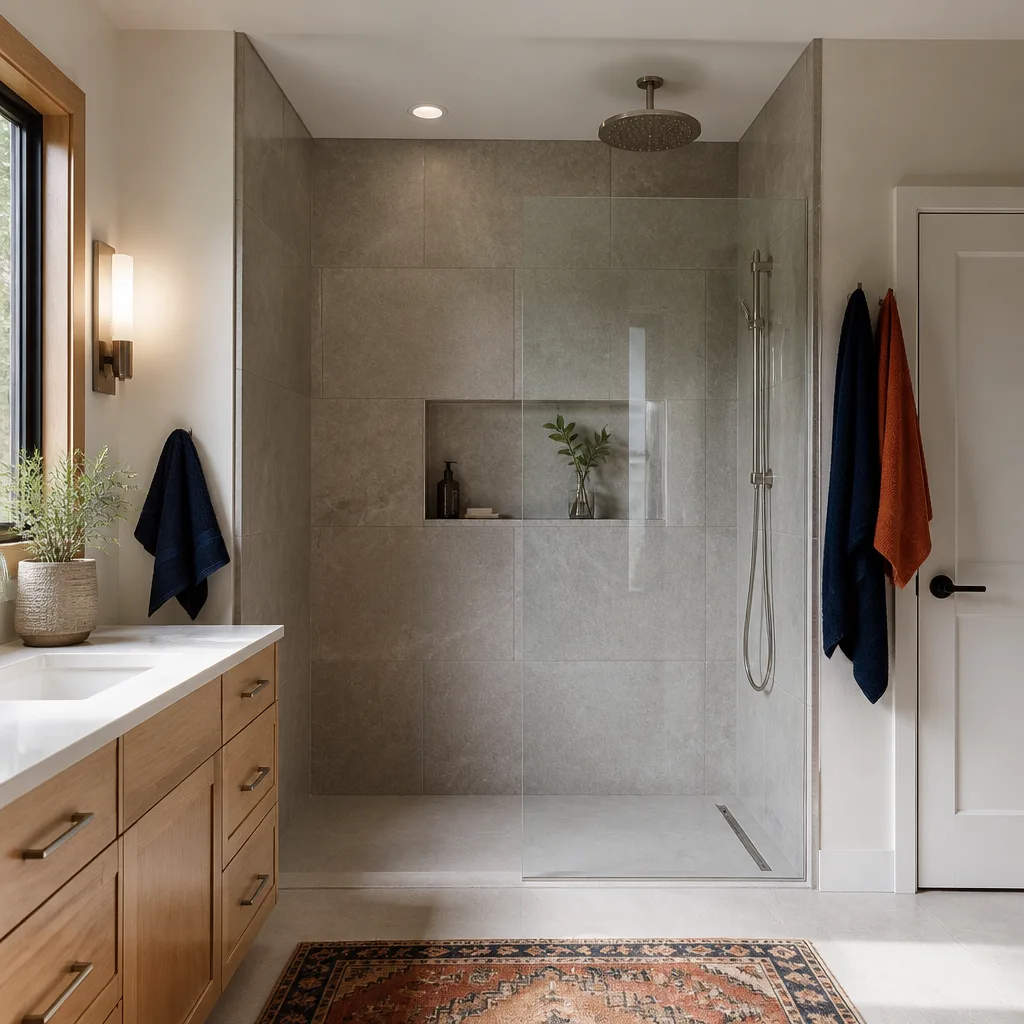
Kitchen and bath fixtures. These brands carry their own manufacturer warranties, so read them directly. Kohler, Moen, Grohe, Delta, Toto, American Standard, and Blanco all publish their own coverage terms – compare length, transferability, and finish coverage side by side.
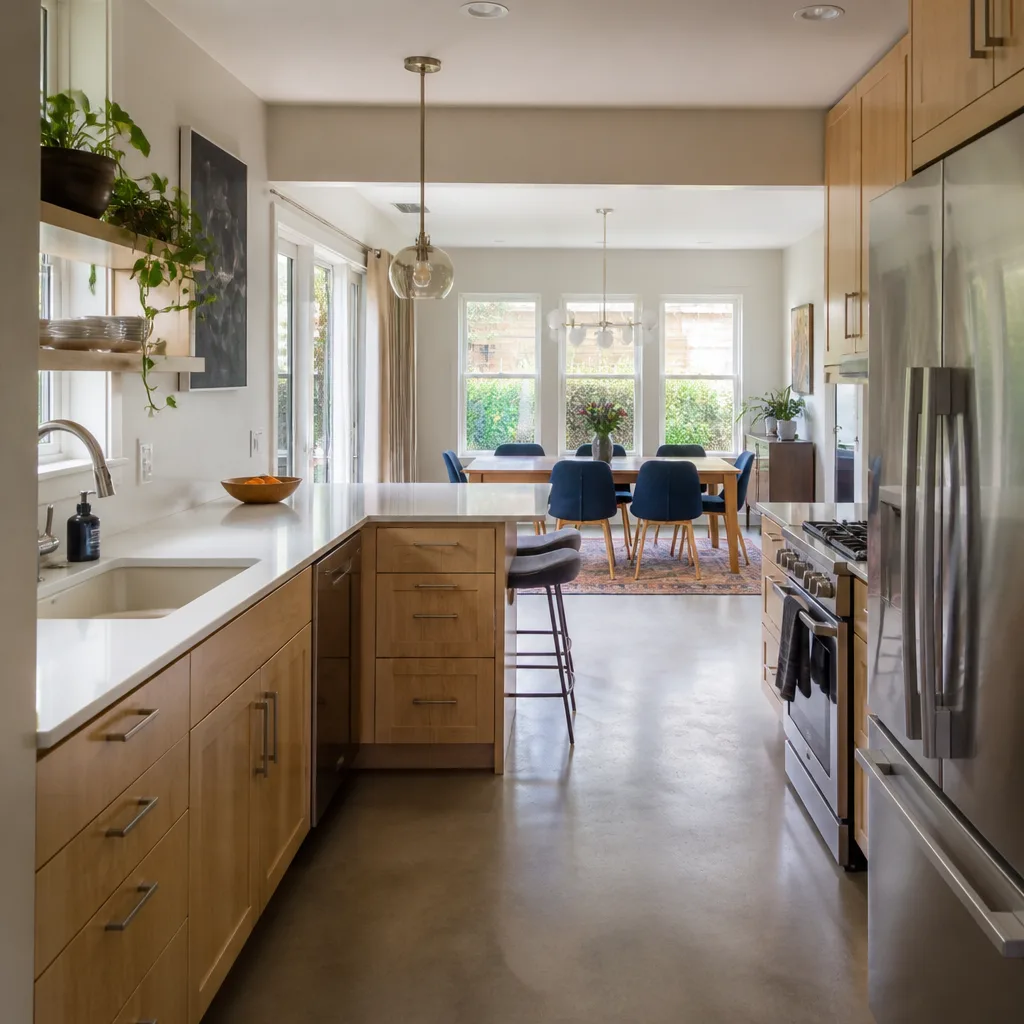
Countertops and cabinetry. The material choice and the warranty travel together. Look at Cambria, Silestone, and Caesarstone for quartz surfaces and KraftMaid and Wellborn for cabinetry, then compare the finish warranty and the installation warranty together.
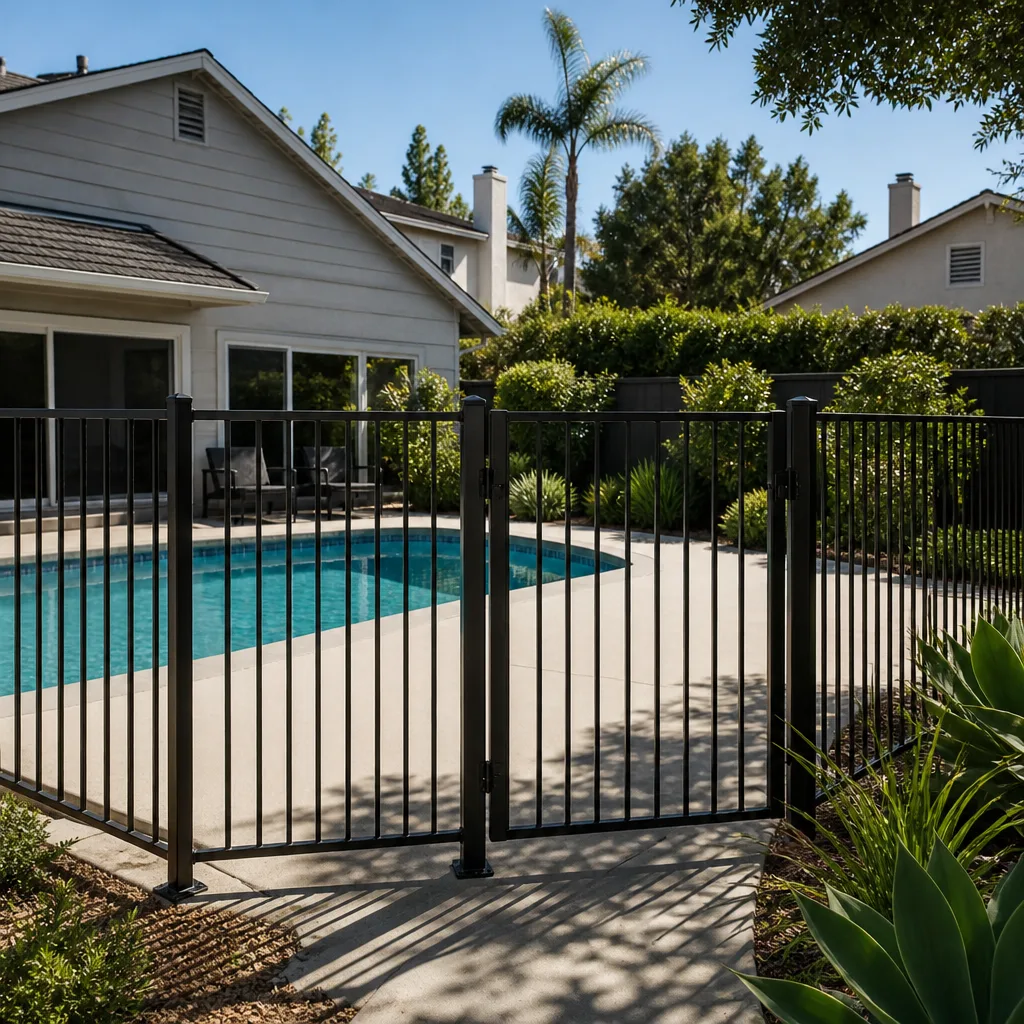
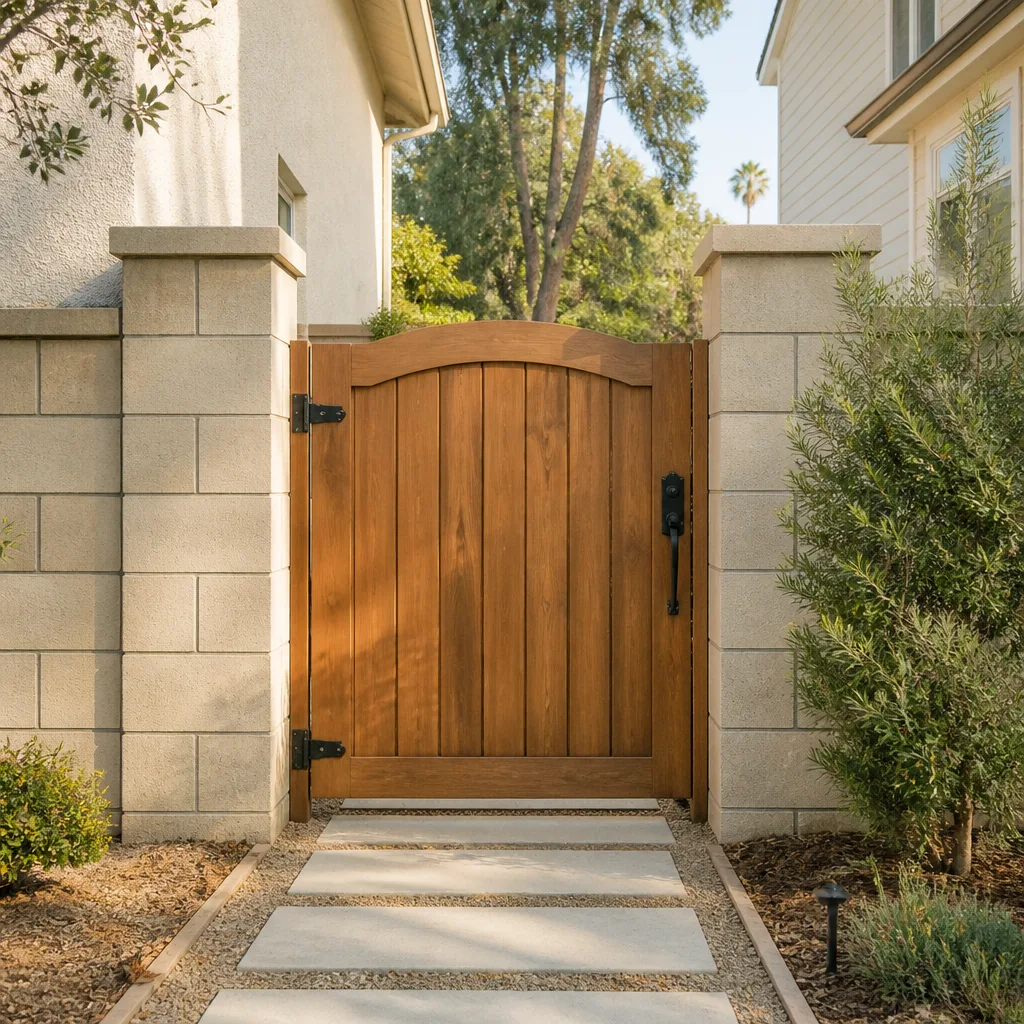
Fencing. For vinyl, Bufftech and ActiveYards carry distinct warranty terms – compare transferability and coverage length. Wind rating matters here too: a fence in Inglewood takes steady sun and occasional winds, so confirm the system’s wind rating and installation anchoring standard.
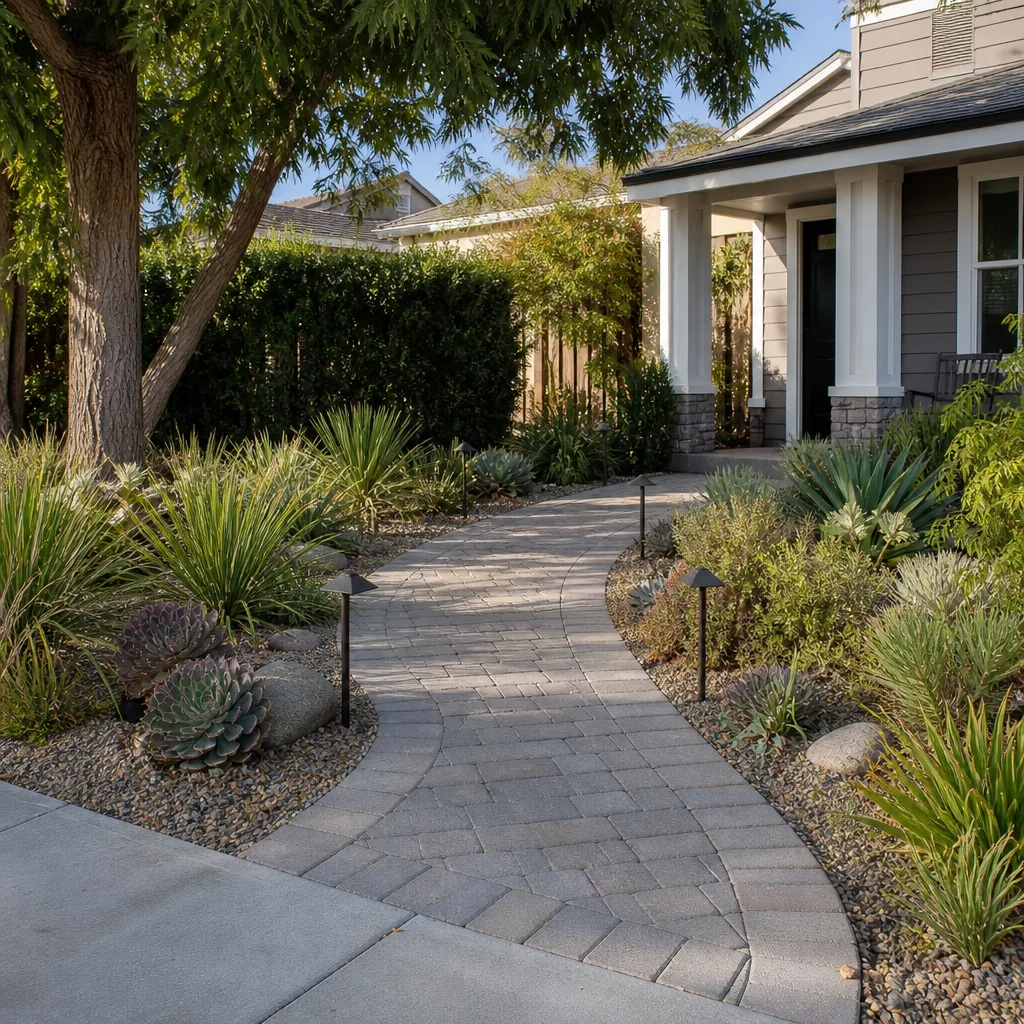
Driveways and pavers. Compare Belgard, Unilock, or Techo-Bloc by design range, warranty tier, and local distributor availability. For pavers especially, color and profile matching years later is a real consideration when a section needs repair.
Home additions and ADUs. For prefab and modular projects, the brand’s engineering and code compliance for Southern California matter most. Abodu, Mighty Buildings, Boxabl, Dvele, and Plant Prefab all approach this differently – some lean toward speed of occupancy, others toward design flexibility. Ask each what its local code path looks like.
The theme across every category: choose for specification fit and warranty clarity, not for the shiniest logo on the box.
Seven Steps to Choosing a Brand the Right Way
Put it all together into a process you can run on any project in Inglewood:
- Define the project conditions first. Where is the work? What does the sun, wind, and damp air do to that surface or system? Write those conditions down before you look at a single brand.
- Shortlist two or three brands per category. Compare specifications, not slogans. Wind rating for roof and fence, corrosion resistance for windows, vapor drive for waterproofing.
- Compare warranty terms line by line. What’s covered, for how long, transferable or not, labor included or not. Read the exclusions.
- Confirm local distributor presence. Ask where the product is stocked in Southern California and who handles warranty service locally.
- Verify contractor certification. Use the manufacturer’s own locator and ask for the program name and tier. Get the certification obligation in writing.
- Check the workmanship warranty separately. Ask for the contractor’s own written workmanship warranty in addition to the manufacturer’s product warranty.
- Register the job with the manufacturer. Confirm the contractor registers your installation and gives you a copy of the registration and warranty documentation.
Run those seven steps and you’ve done more brand due diligence than most homeowners ever do. It’s the difference between choosing a brand that protects you and one that just looks good.
Common Mistakes to Avoid
- Choosing a brand because the contractor was already using it. A contractor should be able to explain why a specific product fits your project. If the only reason is availability, that’s not a spec decision.
- Trusting “lifetime warranty” without reading the exclusions. Many cover the product but not the labor, and lose transferability. Read the terms, not the label.
- Skipping the certification check. A premium product installed off-certification often voids the enhanced coverage. Verify the contractor’s program tier and let that affect your choice.
- Ignoring local distributor gaps. A brand with no Southern California supply chain means slow warranty service and hard-to-match replacement materials. Ask about local service before you commit.
- Assuming “quality” without a named material attached. Every contractor says the work is high quality. Ask which product and which warranty, then verify. In Inglewood’s mild climate, spec fit matters more than marketing language.
- Separating the materials warranty from the workmanship warranty. They come from different parties and protect different things. Get both in writing and ask who handles the claim if something goes wrong.
- Choosing all your brands from one category’s comfort zone. A brand you liked for roofing doesn’t necessarily have a good window or fencing program. Evaluate each category on its own terms.
See the difference
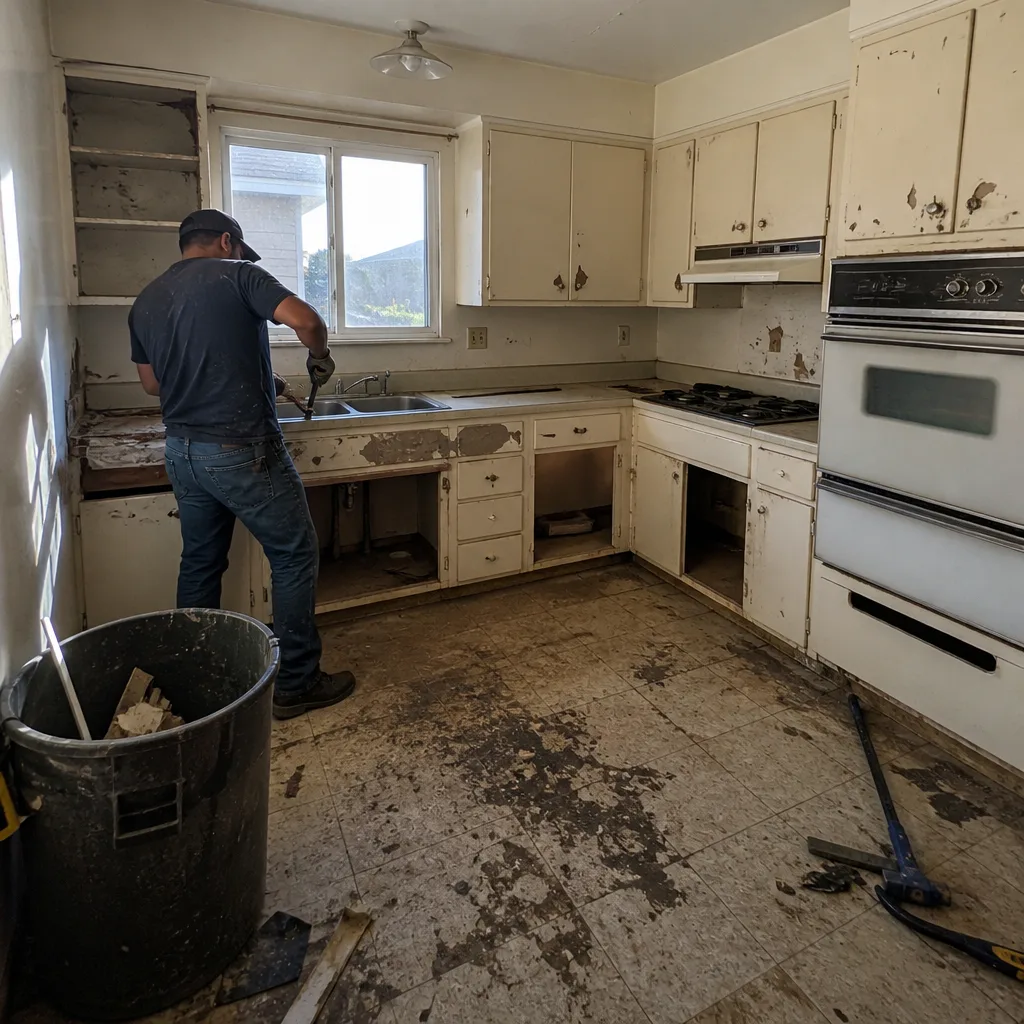 Before
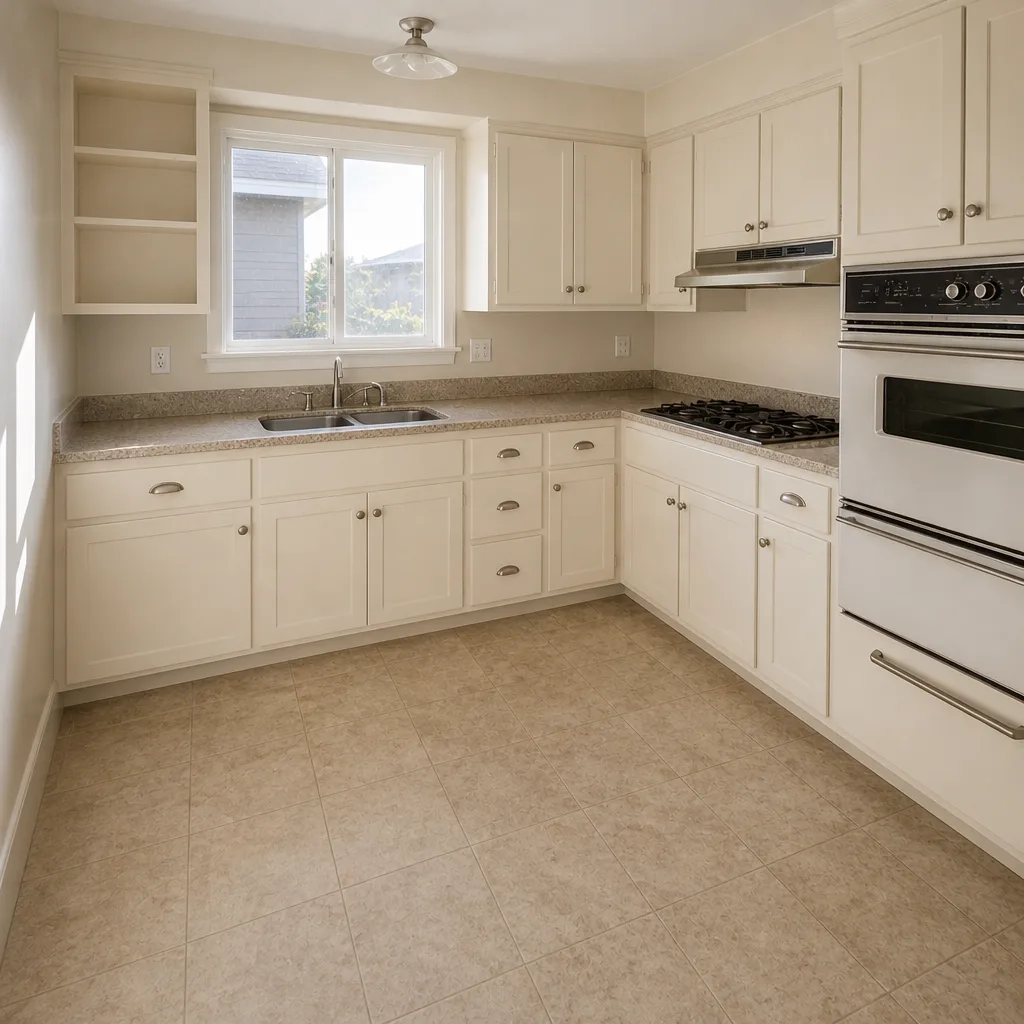 After
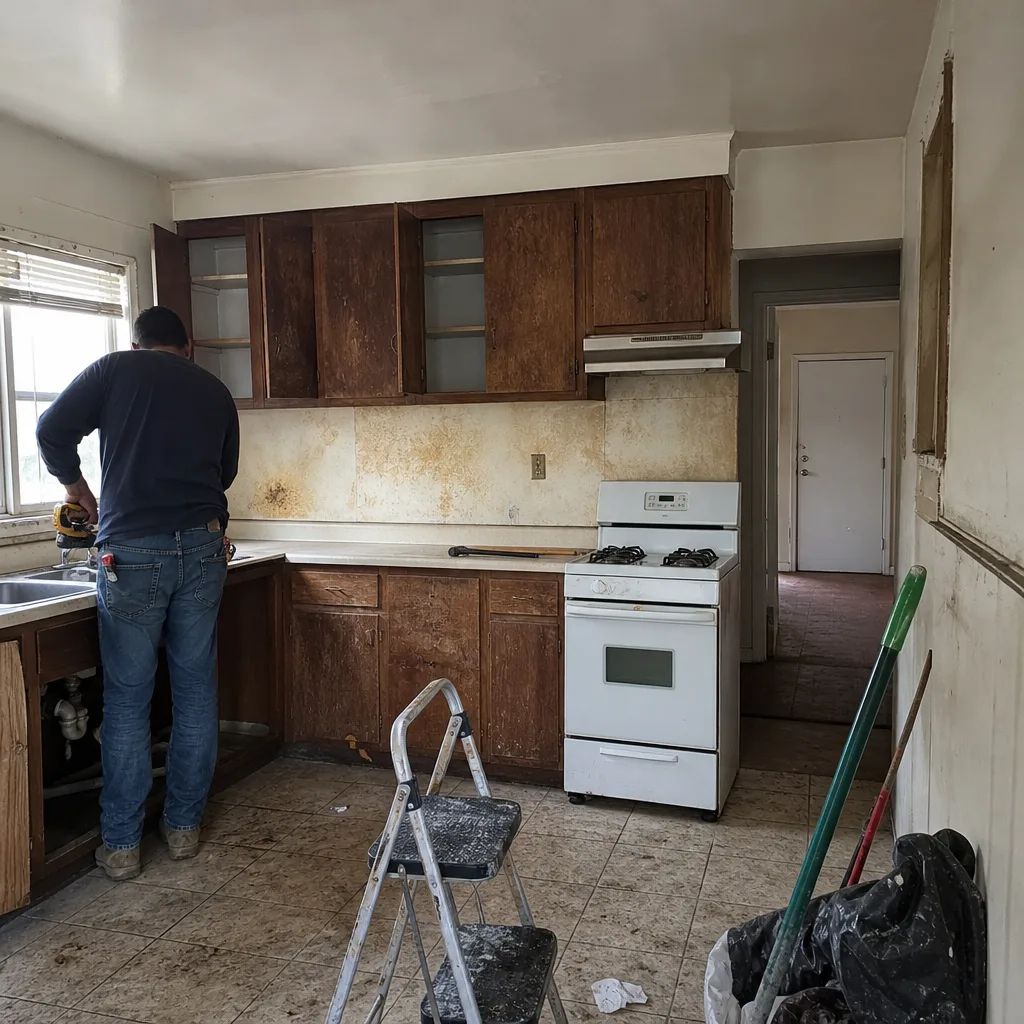 Before
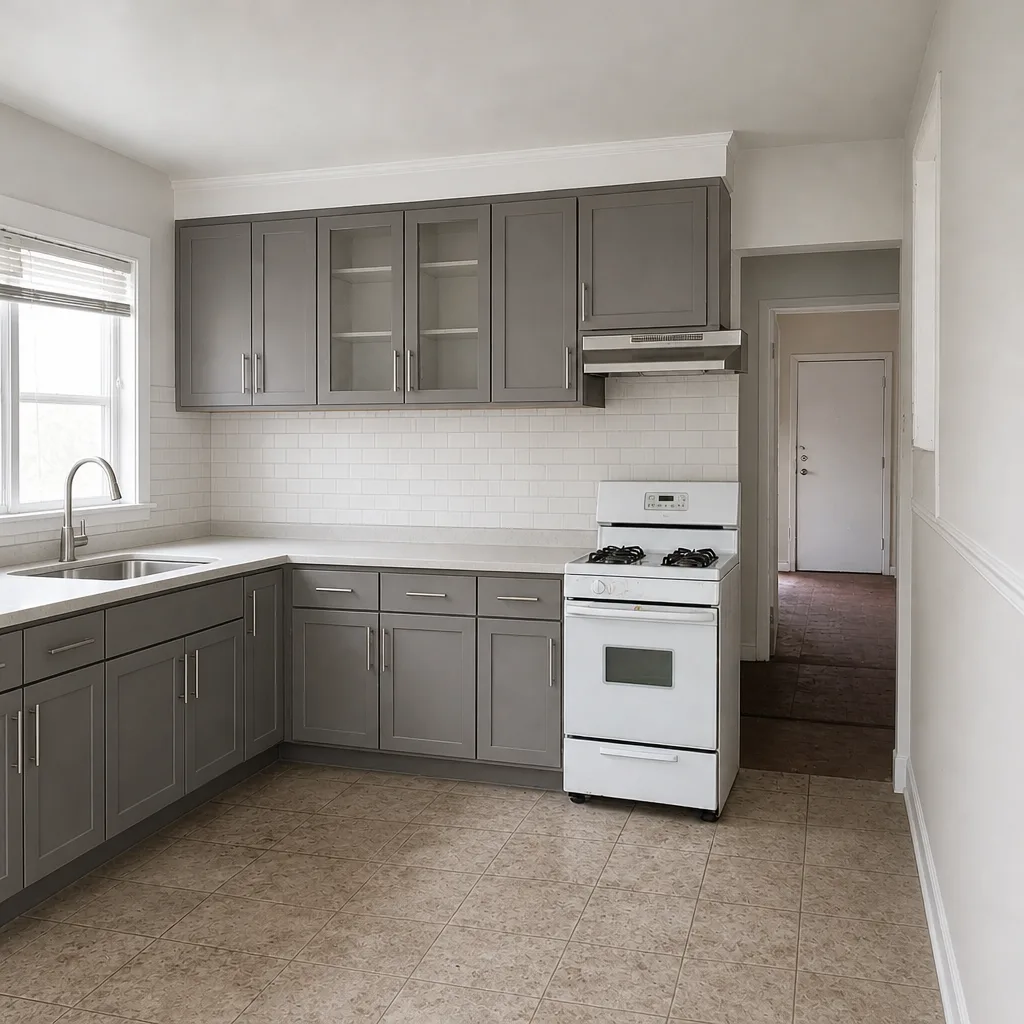 After
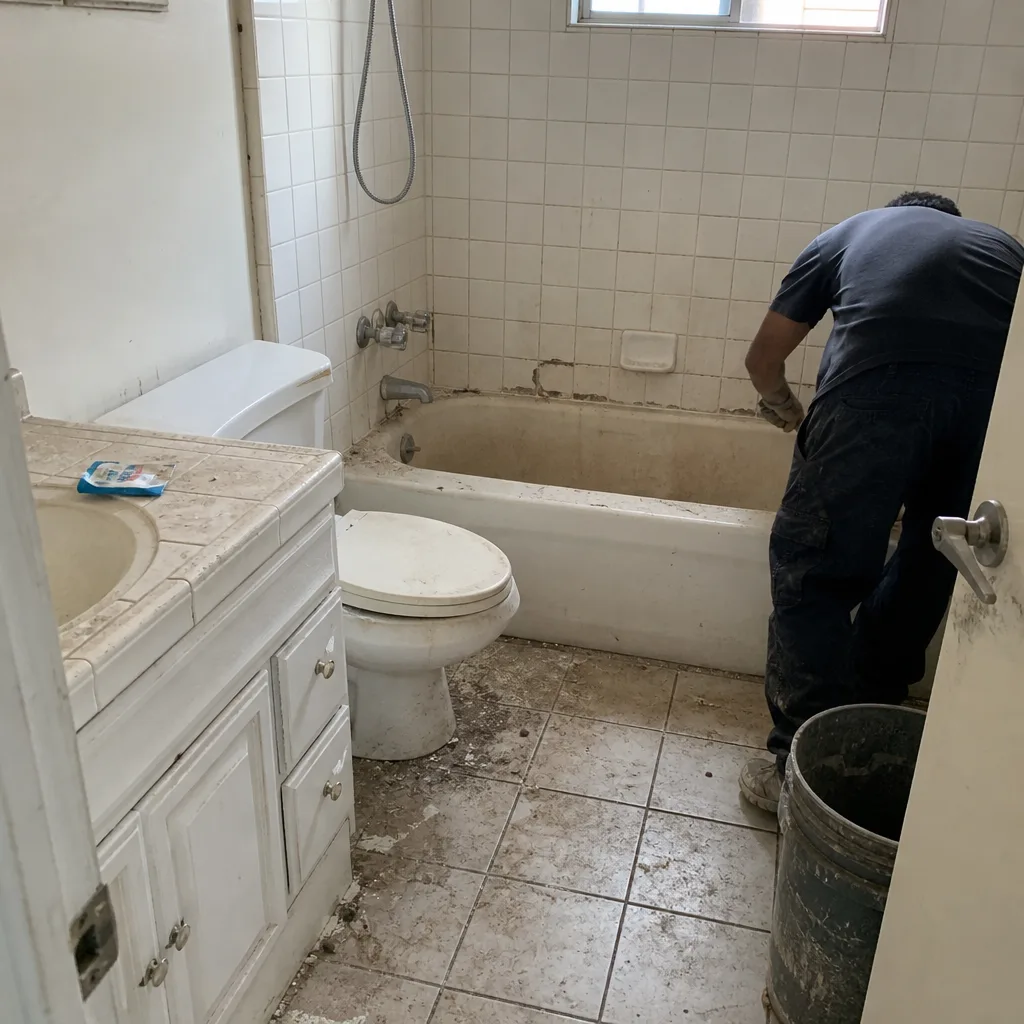 Before
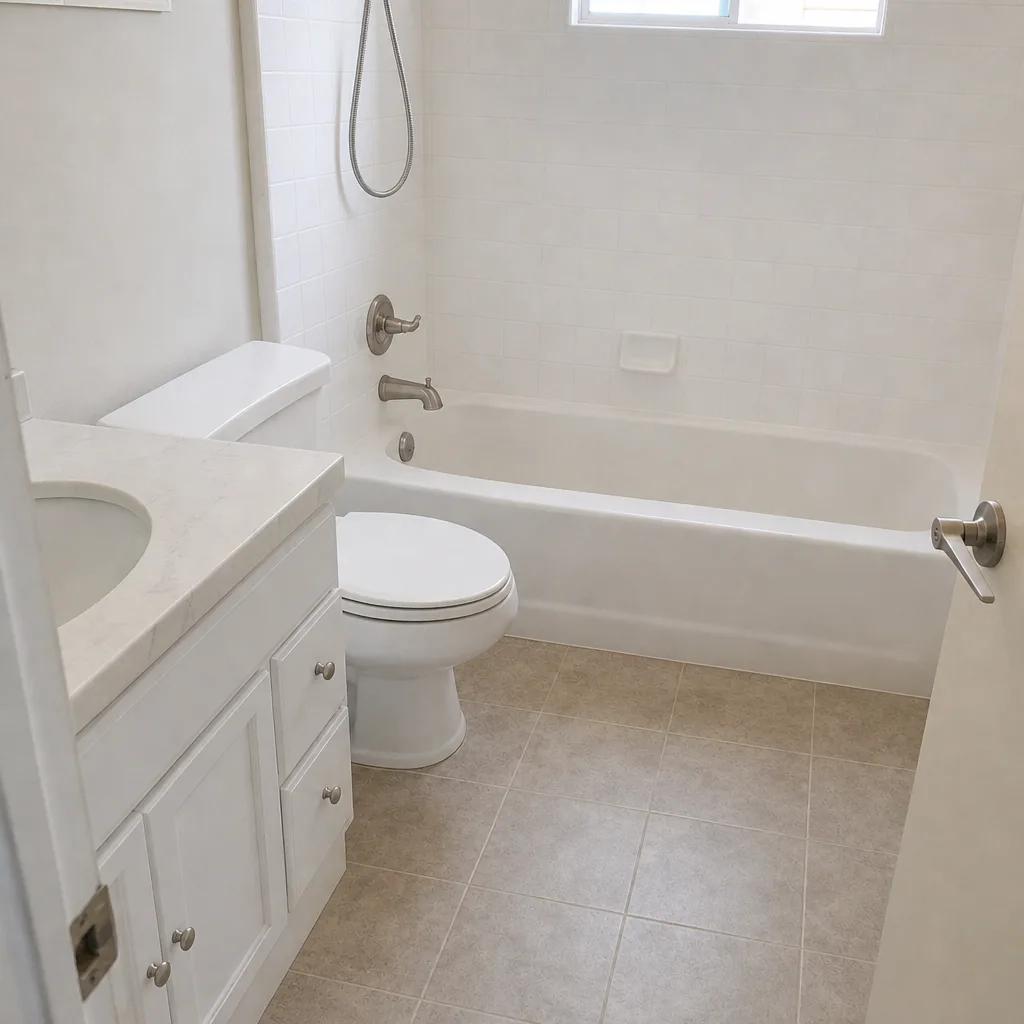 After
When to Call a Professional
Brand research gets you to a shortlist. Turning that shortlist into a specific, installable choice and then installing it correctly is a professional job. If you’re weighing two products and can’t tell which fits the climate conditions at your particular home, or you need someone to verify the certification and warranty details for you, that’s when a contractor’s knowledge pays off. Also worth a call: when wind or UV exposure on a roof, window sealing, or fence anchoring is in question, or when an addition or ADU requires a code path that depends on the brand’s engineering. Construction Inglewood offers free estimates in Inglewood, with written line-item quotes and fixed pricing with no change orders – call (844) 320-4724. We answer 24/7. Fast dispatch from 7am to 7pm, Sunday through Friday. We’re closed on Saturday.
Frequently Asked Questions
The “best” brand is the one whose specifications fit your project conditions and whose warranty terms are clear and locally serviceable. For Inglewood, that means prioritizing wind and UV ratings for roofing, corrosion resistance for windows given the ocean-influenced damp mornings, and vapor drive direction for waterproofing – plus a brand with Southern California distributor presence so warranty service works. Established names worth comparing include GAF, CertainTeed, and Owens Corning for roofing, PGT and Therma-Tru for windows and doors, Belgard, Unilock, and Techo-Bloc for pavers, and Kohler, Moen, and Grohe for kitchen and bath fixtures. Call (844) 320-4724 for an exact quote – estimates are free.
It matters a great deal, because enhanced warranties and manufacturer installation standards depend on certification. A licensed contractor can install a product, but if they aren’t certified for that specific line, the manufacturer’s top-tier coverage – often including labor and extended term – usually doesn’t apply. In Inglewood, ask for the program name and tier, then verify it on the manufacturer’s own contractor locator. Call (844) 320-4724 to talk through what certification means for your specific project.
Usually the product only, for as long as you own the home, and often with exclusions for labor and a maintenance requirement. Some product warranties transfer to the next owner; others don’t. Compare the materials warranty and the workmanship warranty separately – the first comes from the manufacturer, the second from the installer – and read the exclusions page, not just the headline. If you want help reading the terms for a specific brand in Inglewood, call (844) 320-4724 for a free estimate.
It shouldn’t, and with a written line-item quote at fixed pricing, it doesn’t. This is why confirming the brand and specification before signing matters: a reputable contractor will quote a specific product, a specific installation standard, and a specific price, and won’t add change orders mid-job. Get the brand, the warranty tier, and the scope in writing before work starts. Call (844) 320-4724 for a written quote – estimates are free.
For pavers, Belgard, Unilock, and Techo-Bloc all offer durable, established product lines, but the choice should come down to local distributor availability, design range, and warranty tier for your sun-exposed driveway or patio. For vinyl fencing, Bufftech and ActiveYards carry distinct warranty terms worth comparing side by side, and you should confirm the system’s wind rating and anchoring standard. Call (844) 320-4724 to compare options for your specific project.
Yes – permitted work goes through the city’s building department, including county and city code checks for additions, ADUs, and structural work, and we handle that process rather than sending you to navigate it alone. Timelines depend on the scope and the permit review; a straightforward product upgrade moves faster than a home addition or ADU. For brand-specific timelines and permit scope on your project in Inglewood, call (844) 320-4724 for a free estimate.
The Bottom Line
The brand on the box is only half the decision. The other half is the specification fit for Inglewood’s mild climate – wind and UV ratings for roofing, corrosion resistance for windows, vapor drive direction for waterproofing – and the terms of the warranty that actually protects you. A premium product installed off-certification is worth less than a well-specified mid-tier product installed by a certified applicator with local distributor support. Verify the contractor’s certification tier, compare product and workmanship warranties line by line, and confirm Southern California service before you commit. Do those things and the brand you choose will hold up long after the invoice is paid.
One Contractor, One Brand Conversation
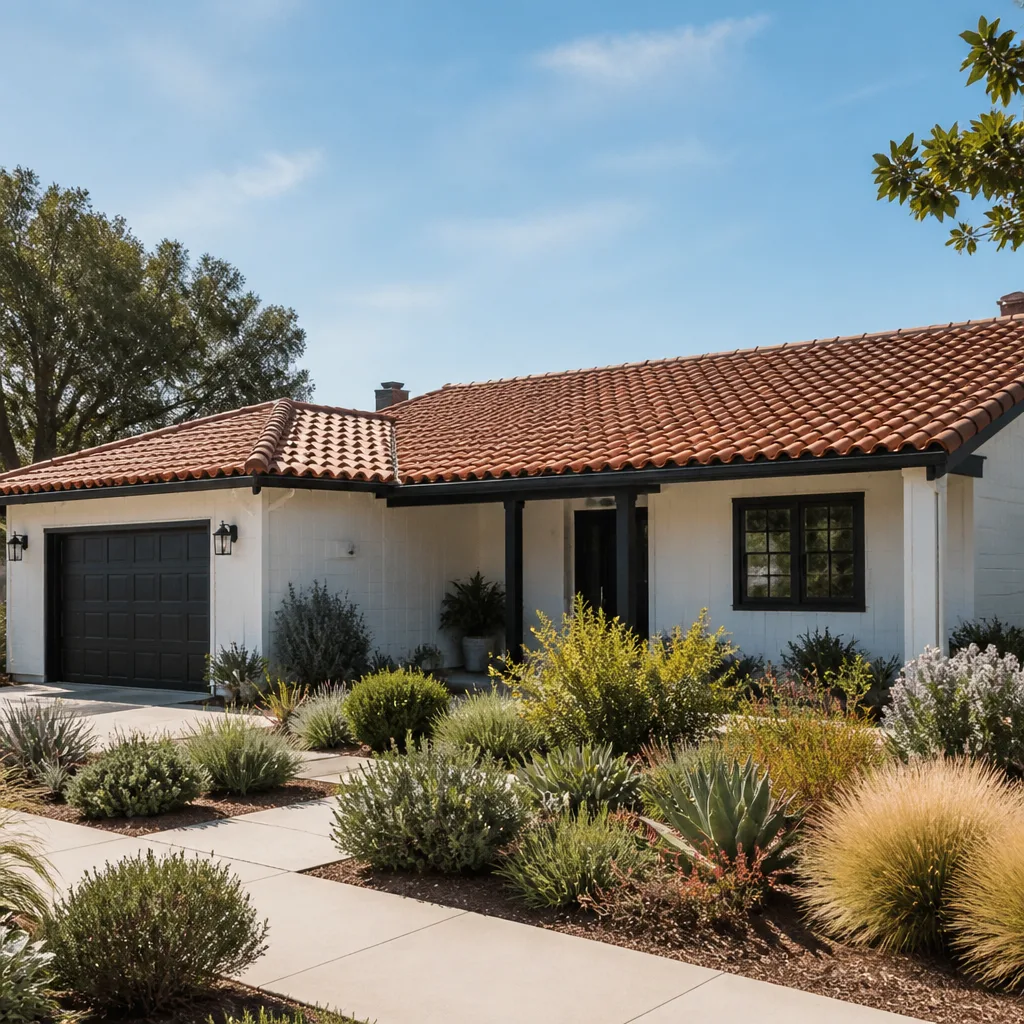
Construction Inglewood covers the full scope of a home – Construction Inglewood services across seven categories, from the driveway to the ridge line, so the brand conversation is one conversation, not seven. Whether you’re weighing a new roof, a kitchen remodel, a fence, a paver driveway, or a home addition and ADU, you get named brands with manufacturer warranties behind them and one point of contact throughout. The estimate is free and the price is set per job by a written estimate. Call (844) 320-4724. We answer 24/7. Fast dispatch from 7am to 7pm, Sunday through Friday.
Written by the team at Construction Inglewood.