Last updated November 18, 2026

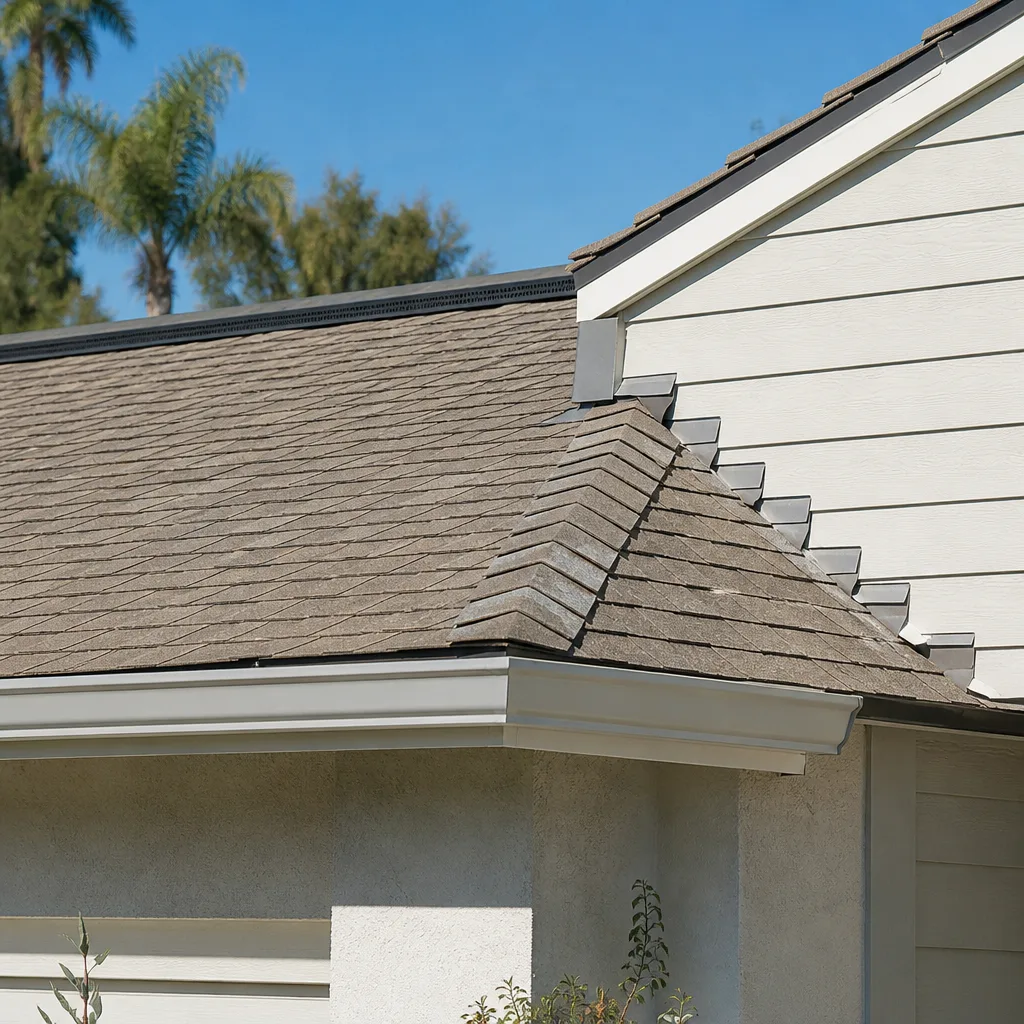
Free written scope consultation - allowances, timeline, and change-order rules on paper before a single trade is scheduled
How to Hire a Construction Contractor in Inglewood: A Step-by-Step Guide
Most hiring guides hand you the same checklist: get three bids, check references, make sure they’re licensed. That advice is fine as far as it goes, but it doesn’t tell you what to actually look for when you’re sitting across from a contractor, and it doesn’t prepare you for how the Inglewood market behaves right now. Good contractors here are booked months ahead, which means the ones with open calendars next week are open for a reason. You’ll learn how to read a CSLB license lookup beyond the green checkmark, which contract clauses decide whether a lien can land on your house, how to spot a low-ball bid before it turns into change orders, and the scheduling questions that reveal whether a contractor is stretched too thin across Inglewood job sites.
Quick Answer
To hire a construction contractor in Inglewood, verify the contractor’s CSLB license classification matches your scope, confirm active workers’ comp and liability coverage, read the contract for lien-release and change-order language, compare bids line by line instead of by total, and ask how many jobs they’re running at once. A licensed, insured contractor who offers a written line-item estimate, pulls the permits, and can name their material suppliers in writing is the one to hire.
Styles & brands we work with
- Kitchen remodeling
- Bathroom remodeling
- Home additions & ADU
- Roofing
- Windows & doors
- Driveway & pavers
- Fence
Table of Contents
- What the Inglewood Contractor Market Looks Like Right Now
- How to Read a CSLB License Lookup Beyond the Green Checkmark
- Which Contract Clauses Protect You From a Mechanic’s Lien
- How to Evaluate a Bid Structure, Not Just the Bottom Line
- What a Real Material Partnership Looks Like
- The Scheduling Questions That Expose an Overextended Contractor
- Inglewood-Specific Things to Ask Before You Sign
- The Full Eight-Step Hiring Sequence
What the Inglewood Contractor Market Looks Like Right Now
Inglewood is not a sleepy residential market. Between the new construction around the stadium district, the steady turnover of older single-family homes in Morningside Park and North Inglewood, and the number of homeowners adding ADUs in their back yards, demand for licensed contractors runs well ahead of supply. A contractor with a genuinely open schedule in Inglewood is either just finishing a project, just starting out, or not being hired for a reason. That isn’t a reason to reject everyone who answers your call quickly, but it’s a reason to ask better questions.
The climate shapes the work here in ways that matter for hiring. Mild, dry summers and the occasional heavy winter rain mean roofing, drainage, and driveway work all have weather windows, and a contractor who hasn’t thought about sequencing is a contractor who’ll be chasing water into your house. Older housing stock across Inglewood means a lot of remodel projects uncover surprises once walls come open: old wiring, settled slabs, and undocumented additions that were never permitted. A good contractor prices for a stated allowance and tells you how they’ll handle the unknown. A bad one quotes low, then hits you with change orders.
Inglewood homes also sit under some of the more particular permitting requirements in the region. Before anything structural, electrical, or plumbing-related moves forward, the work needs permits pulled and inspections passed. Ask any contractor you’re considering how they handle permitting. If they describe pulling permits as a hassle or suggest skipping them to save money, that’s your answer about how the rest of the project will go. Unpermitted work becomes your problem the day you sell.
None of this means the market is hostile. It means the market rewards homeowners who do their homework before they start calling. Our technicians have up to 14 years of experience, and in that time the pattern is consistent: the projects that go smoothly are the ones where the homeowner asked the uncomfortable questions up front.
How to Read a CSLB License Lookup Beyond the Green Checkmark
Every hiring guide tells you to check the license on the Contractors State License Board website. Almost none tells you what to look for once you’re there. The green checkmark tells you the license is active. It does not tell you whether that license covers the work you’re hiring for.
CSLB licenses carry classification codes, and those codes matter. Here’s what to actually check:
- Classification matches the scope. A B (General Building) license covers a broad range of residential work. Specialty codes cover narrower trades. If you’re hiring for a kitchen remodel, a bathroom remodel, or a home addition, you want a contractor whose classification actually covers that scope, not someone stretching a specialty license to cover work it wasn’t issued for.
- Active status, not just issued. A license can be issued and later suspended, expired, or placed on inactive status. The lookup shows current status; read it carefully.
- Bond and workers’ comp status. The lookup shows whether the license holds a contractor’s bond and whether workers’ compensation coverage is on file. If workers’ comp shows as exempt, ask directly who is on your job and whether they’re covered.
- Complaints and disciplinary actions. The lookup links to complaint history and any disciplinary actions. A single old complaint isn’t disqualifying. A pattern of complaints about the same issue is.
- Personnel listings. The license lists the qualifying individual and any personnel. Cross-reference that against who actually shows up on your job.
Run this check for the company name, not just the name on the business card. If a contractor hands you a license number that belongs to someone else’s company, the lookup will tell you. We recommend running the lookup on any contractor you’re seriously considering, even the ones who came highly recommended. It takes ten minutes and it is the single most useful filter available to an Inglewood homeowner.
Licensing also connects to the work itself. A contractor pulling permits for a driveway & pavers job or a fence installation knows the local inspection process because they do it regularly. Someone who describes permits as a bureaucratic delay usually doesn’t pull them, and unpermitted exterior work is one of the most common headaches we see on resale.
Which Contract Clauses Protect You From a Mechanic’s Lien
This is the part almost no hiring guide covers, and it’s the part that can cost you the most. A mechanic’s lien is a legal claim against your property filed by someone who wasn’t paid for work or materials on it. The person who files it may be a subcontractor or a material supplier you never met and never hired. If your contractor doesn’t pay them, they can file against your house.
The clause that protects you is the conditional lien release. When your contractor submits a payment request, the contract should require them to provide signed lien releases from every subcontractor and supplier on the job before you release the next payment. That release says the sub or supplier has been paid through that point in the project and waives any lien claim for the work covered.
Here’s what to look for in the contract before you sign:
- A payment schedule tied to milestone completion, not calendar dates. You pay when a phase is finished and inspected, not because a certain week has passed.
- Conditional lien releases required at every draw. If the contract doesn’t mention them, ask for them to be added.
- A named list of subcontractors and material suppliers. You can’t cross-check lien releases if you don’t know who’s working on your property.
- Subcontractor proof of insurance. Ask for certificates of insurance for every sub on the job. If a sub is uninsured and someone gets hurt, that exposure can land on you.
- A clear change-order process in writing. Every change should require a signed written change order with a price before the work happens. No verbal agreements, no retroactive charges.
- Scope description detailed enough to price. If the contract says “remodel kitchen” without specifying cabinetry, countertop, and fixture selections, you’re leaving the door open for substitutions and add-ons.
- Warranty terms in writing, including manufacturer warranties. Product warranties from brands like Tamko, Boral, or Therma-Tru belong to you, not to the contractor. The contract should say the manufacturer documentation transfers to you on completion.
If a contractor pushes back on any of this, ask why. A contractor who routinely handles lien releases and sub insurance will hand them to you without complaint. One who can’t provide them is telling you something about how they run their business.
How to Evaluate a Bid Structure, Not Just the Bottom Line
Three bids on one page each, with three wildly different totals, tell you almost nothing. The bottom line is the least informative number on a construction estimate. What reveals whether a bid is honest is how it’s structured.
A legitimate line-item bid breaks the project into discrete phases and prices each one: demolition, framing, rough plumbing and electrical, insulation and drywall, cabinetry, countertops, fixtures, finish work, and cleanup. Each line should carry a quantity and a unit cost. A bid that says “kitchen remodel – $45,000” without breakdowns is not an estimate, it’s a guess presented as a number.
Here’s how to read the structure and spot a low-ball:
- Allowances are the low-ball tool. When a contractor quotes a low allowance for a category, say $2,000 for countertops, they’re betting you’ll spend more. The final price creeps up through change orders. Ask what each allowance assumes and what a typical upgrade to that line costs.
- Missing line items signal a change order later. If the bid doesn’t include permit fees, debris removal, or materials delivery, those costs will surface. Ask directly what’s excluded.
- Unit prices matter more than totals. Two bids for the same square footage of cabinetry at different unit prices tell you where the savings or the padding lives.
- A realistic timeline lives in the bid. A phased schedule with a start date and completion target per phase is part of the bid. “We’ll start soon and finish when we finish” isn’t.
- Contingency should be visible, not hidden. A reasonable bid includes a stated contingency for unknowns. A hidden contingency is a change order waiting to happen.
In our experience, the bid you want to take seriously is usually not the cheapest and often not the fastest to arrive. The cheapest bid is the one most likely to grow. The one that took a week to write and asks you for material selections before pricing them is the one that’s thinking about your project.
This is also where a single-contractor scope pays off. When one company handles roofing, windows, kitchen, bath, and driveway under one contract, you’re not managing four separate bids, four payment schedules, and four sets of lien releases. The Construction Inglewood approach is built around that: one relationship from the driveway to the ridge line.
What a Real Material Partnership Looks Like
Contractors love to name-drop. “We use top-tier brands” is a sentence with no information in it. The test is whether the claimed relationship is specific enough to verify and whether the brand’s warranty actually reaches you.
A real material partnership looks like this: the contractor can name the manufacturer and the specific product line, tell you what the manufacturer’s warranty covers and for how long, show you the technical documentation from the manufacturer, and describe what the contractor’s own relationship with that manufacturer entails, whether that’s a certified installer program, a dealer relationship, or direct account access. When you ask “who is your rep at the manufacturer,” a real partnership has a name to give and a fake one changes the subject.
When we say we offer seven roofing manufacturers, that means you’re choosing between GAF, CertainTeed, Owens Corning, IKO, Atlas, Tamko, and Boral based on warranty tier, design, and budget, not being told there’s only one option. When we say eight plumbing fixture brands for bath and kitchen, that means Kohler, Moen, Grohe, Delta, Toto, American Standard, Blanco, and Sterling, each carrying its own manufacturer warranty. Cabinetry comes from KraftMaid and Wellborn. Countertops from Cambria, Silestone, and Caesarstone. Windows and doors from PGT, CGI, and Therma-Tru.
That level of named specificity is the point. When the brand is named, the warranty is real, and the manufacturer’s coverage transfers to you. When the brand is generic, “builder-grade fixtures,” you have no manufacturer warranty and no way to match a replacement if one fails in three years.
Partnerships also matter for the specialty work. For a home additions & ADU, the difference between a sticks-and-bricks build and a prefab or modular build is significant: speed to occupancy, predictability of cost, and code compliance. Our relationships with Abodu, Mighty Buildings, Boxabl, Dvele, and Plant Prefab give homeowners a faster path to added living space with manufacturers that engineer for local code from the start.
The Scheduling Questions That Expose an Overextended Contractor
The single most common way a project goes off the rails is not bad workmanship. It’s a contractor spread too thin across too many active jobs, leaving yours half-finished while they chase the next start. In Inglewood’s current market, this is a real risk because demand outpaces supply and the temptation to overbook is enormous.
Ask these questions before you sign, and listen carefully to the answers:
- “How many active jobs will you be running when mine starts?” A contractor juggling four or more active residential projects with the same crew is a contractor who will be late to yours. Two or three is a reasonable load for a crew that plans carefully.
- “Who will be on my job each day, and who is the point of contact?” If the answer is vague, that’s your answer. You want to know the actual people, not “the crew.”
- “What does the schedule look like week by week?” A real schedule names the phase and a date range. “We’ll get there when we get there” is not a schedule.
- “What happens if a phase runs long?” A good contractor explains how they reschedule and who gets priority. Ask whether they push your completion date or pull crew from another job. You want the answer that protects your date.
- “Are you starting other projects in the same weeks as mine?” A contractor starting yours and two others in the same week is spreading resources. Ask what that means for your crew allocation.
- “What’s your plan if a sub doesn’t show?” Backup subs, in-house coverage, or a clear plan B. It should not be a shrug.
We’d rather tell a homeowner we can start in six weeks and finish on schedule than start next week and finish months late. An honest timeline is worth more than a fast one. A contractor who says yes to every timeline request is usually a contractor who hasn’t thought carefully about how long the work takes.
Inglewood-Specific Things to Ask Before You Sign
Inglewood has some traits that come up on almost every residential project here. Ask about them directly, because the answers tell you how well the contractor knows the local ground.
- Older electrical and plumbing. Many of Inglewood’s single-family homes were built decades ago, and a kitchen or bath remodel almost always uncovers wiring that needs updating. Ask how the contractor prices electrical and plumbing discoveries.
- Undocumented additions. A previous owner may have added a room or converted a garage without permits. Ask how the contractor handles discovering unpermitted work.
- Drainage and grading. Winter rain in this part of Southern California can come hard and fast. A contractor who has thought about site drainage, especially around driveway and paver work, is a contractor who’s seen what happens without it.
- ADU regulations. If you’re considering an ADU, ask specifically what state and local requirements apply and how the contractor handles them. Prefab manufacturer relationships can shortcut some of this, but the requirements still apply.
- HOA and neighborhood character. If your property is in a neighborhood association or a historic district, ask what the contractor knows about review requirements.
The best predictor of a smooth project isn’t the contractor’s marketing, it’s how carefully they answer questions about your specific property. A contractor who asks you questions about your house and lot before quoting is a contractor who’s planning. One who quotes from a generic template is not.
The Full Eight-Step Hiring Sequence
Here is the sequence we recommend to every homeowner considering a project in Inglewood. Work through it in order, and don’t skip steps to save time.
- Define your scope in writing before you call anyone. Write down what you want, what you don’t want, your budget range, and your target timeline. This one document makes every conversation more productive.
- Verify the license on the CSLB site. Classification, active status, bond, workers’ comp, and complaints. Do this before you ask anyone to come out.
- Confirm insurance directly. Ask for a certificate of insurance naming liability and workers’ comp, and confirm the policy is current with the insurer if you have doubts. Don’t accept a photocopy without a current date.
- Ask for a line-item bid, not a lump sum. If they won’t provide one, move on.
- Read the contract for the lien, sub, and change-order clauses. The seven items listed earlier in this guide are the ones to look for.
- Ask the scheduling questions. Active job count, crew names, weekly schedule, backup plan.
- Confirm material brands by name and ask for warranties in writing. Named brands carry named warranties. Generic descriptions don’t.
- Sign the contract, put the deposit in writing, and never pay in cash outside the documented schedule. No verbal agreements once work starts. Every change is a signed written change order.
Work through these steps and you’ll know within a couple of conversations which contractor is worth hiring. If you want to test one item on the list quickly, ask any contractor one question: “Walk me through the last project you finished that had an unexpected problem, and what you did about it.” A contractor who answers that with specifics is one who’s thought about risk. One who says nothing ever goes wrong is either new, or not telling you the truth.
Common Mistakes to Avoid
- Hiring the first available contractor because good ones are booked out. Availability in Inglewood is a signal, not an accident. Ask why the calendar is open before you assume it’s luck.
- Treating the green checkmark on the CSLB site as the whole check. A license can be active and still be the wrong classification for the work, or the wrong company entirely. Read the details.
- Skipping the lien release clause because it sounds complicated. It’s the clause that keeps a subcontractor’s unpaid bill off your property. Five minutes of reading protects you for the life of the project.
- Comparing bids by total price only. A low total built on low allowances is a high final price in disguise. Compare line by line.
- Accepting brand claims without asking for specifics. A real partnership has names, product lines, and warranty documents. A marketing claim has none of those.
- Overlooking the schedule conversation. A contractor with five active Inglewood jobs and one crew will finish yours late, regardless of how good the work is.
- Starting work without a permit because a contractor suggests it “will slow things down.” Unpermitted work in Inglewood surfaces later, at resale or after a problem, and by then it’s a much bigger and more expensive fix.
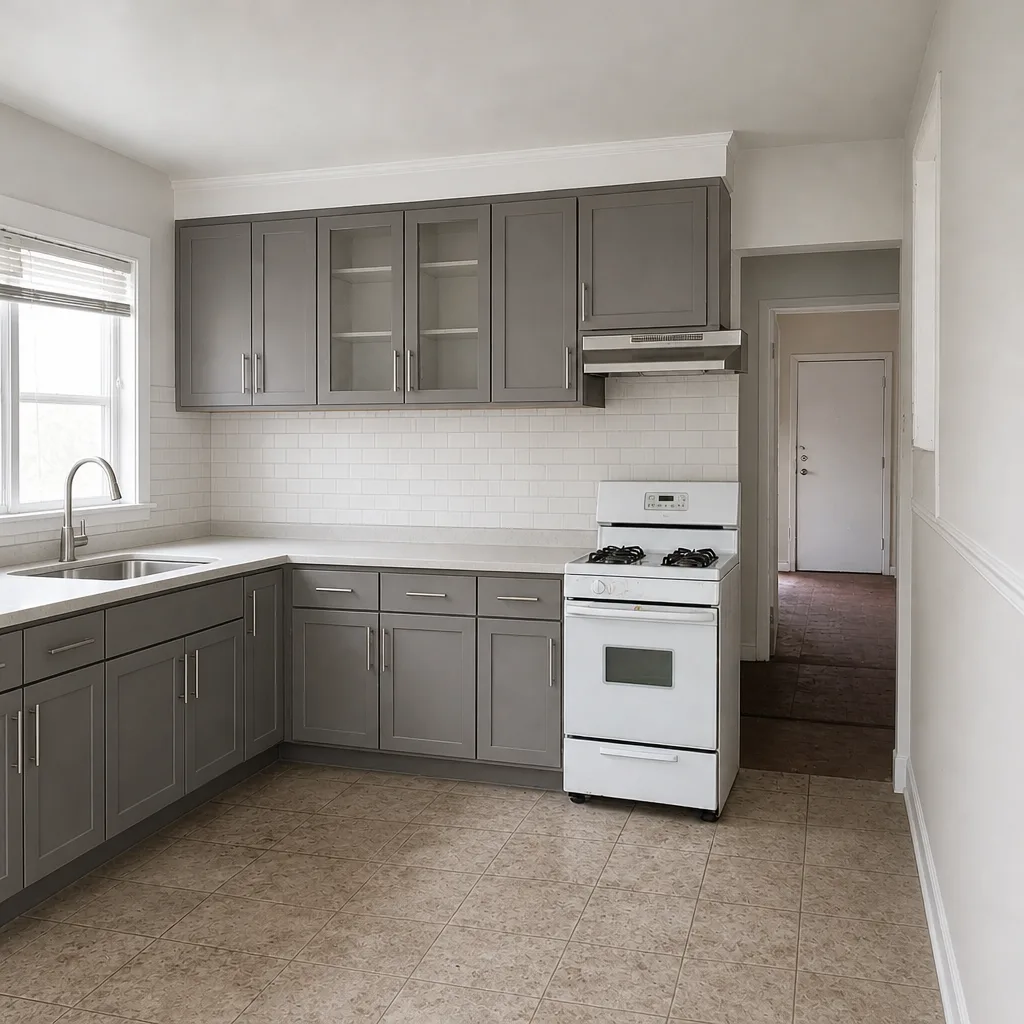
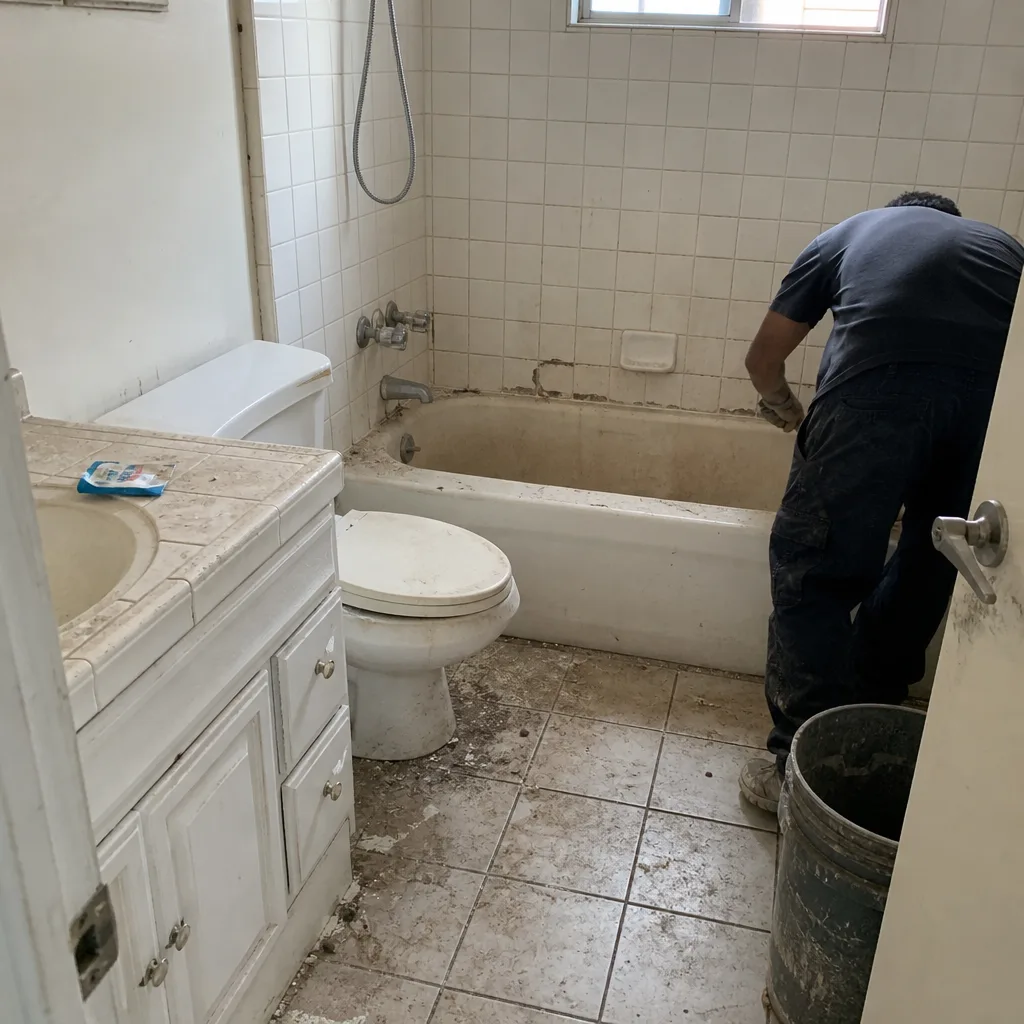
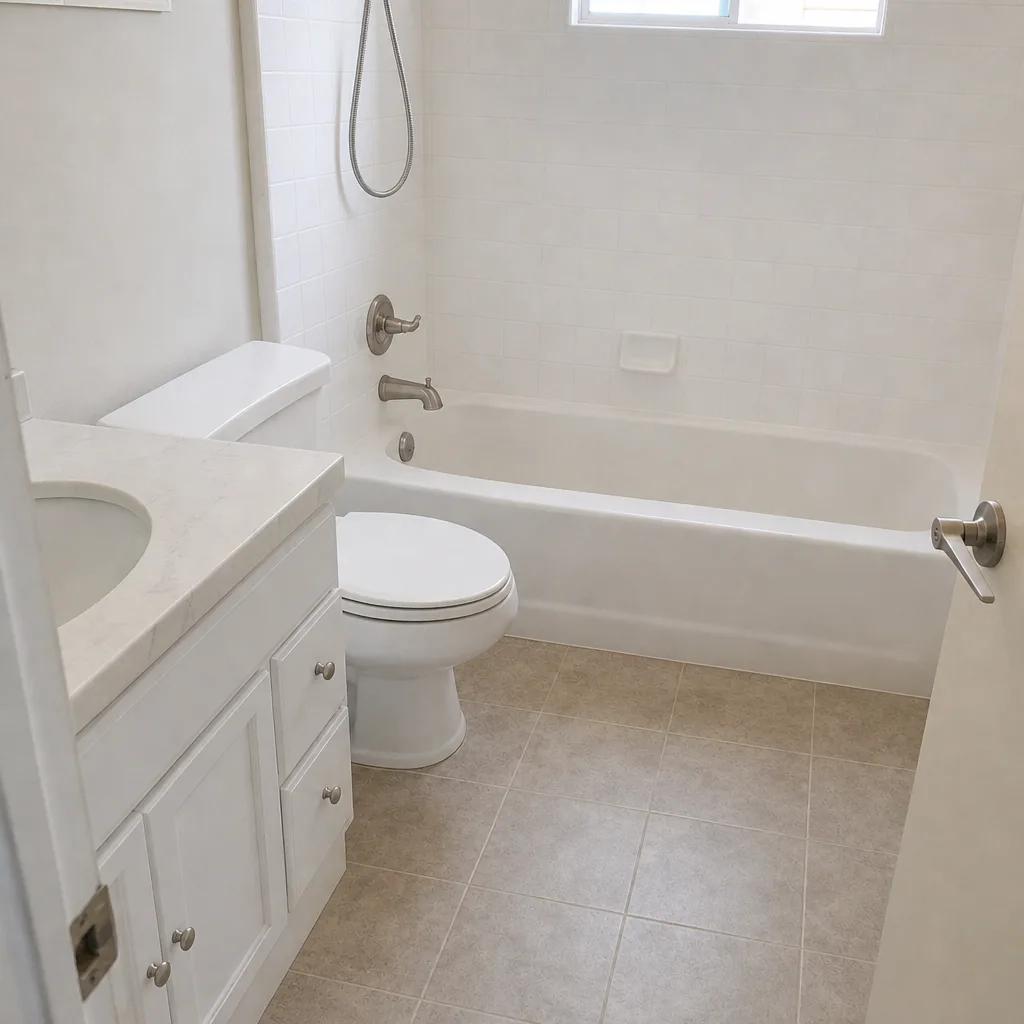
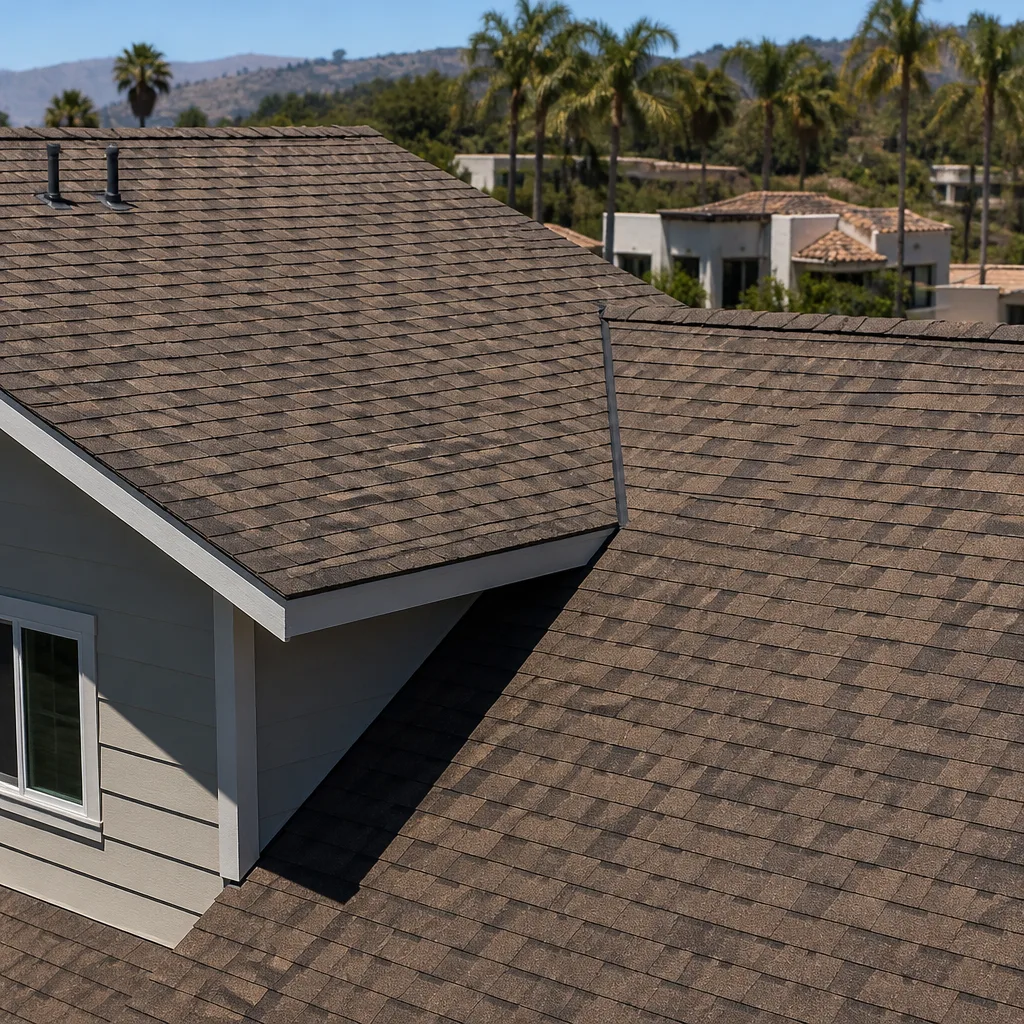
See the difference
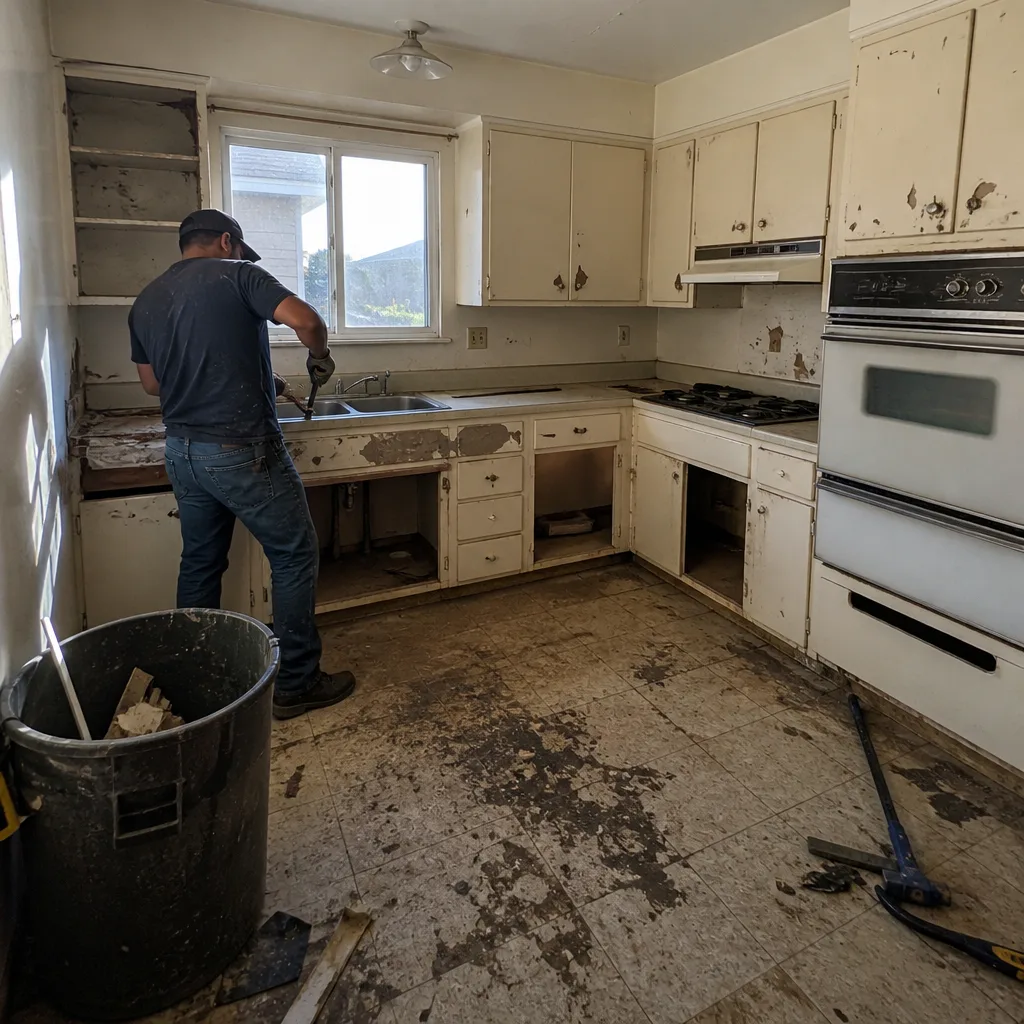 Before
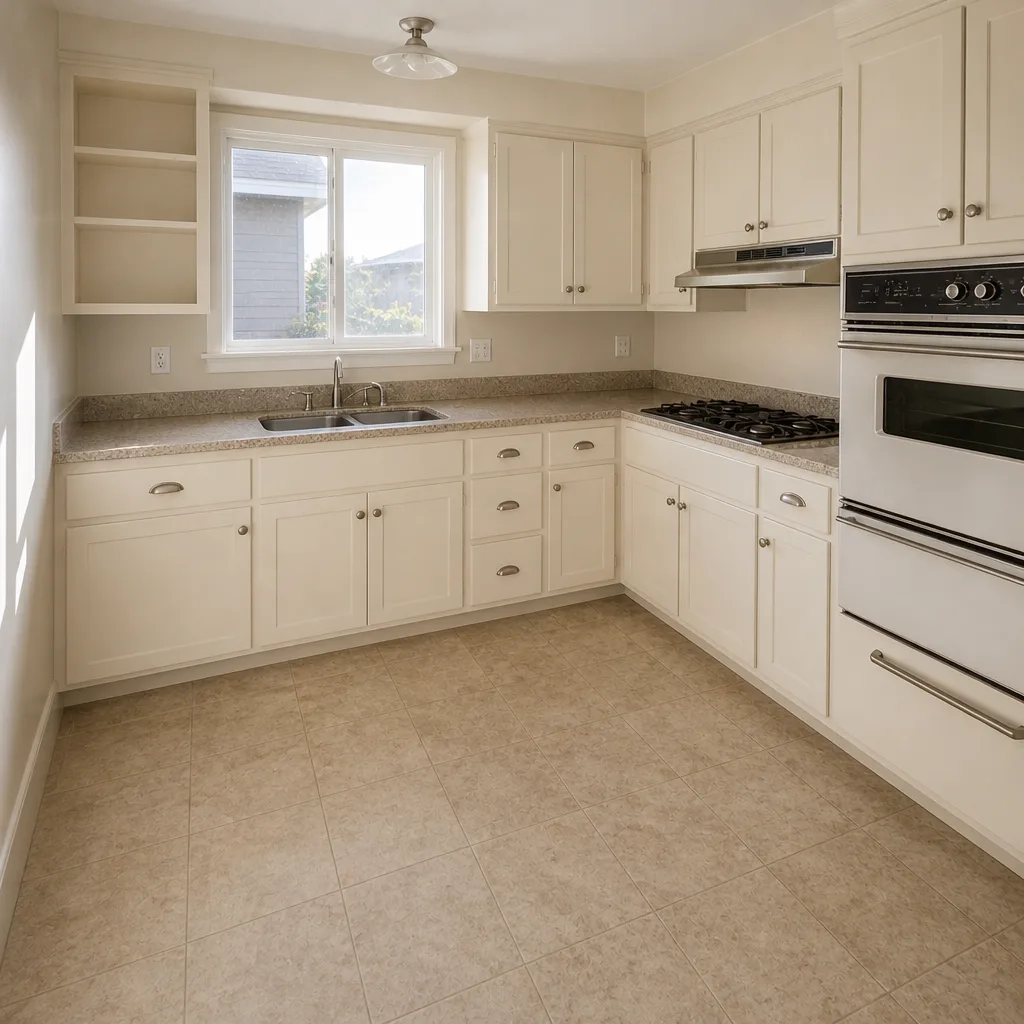 After
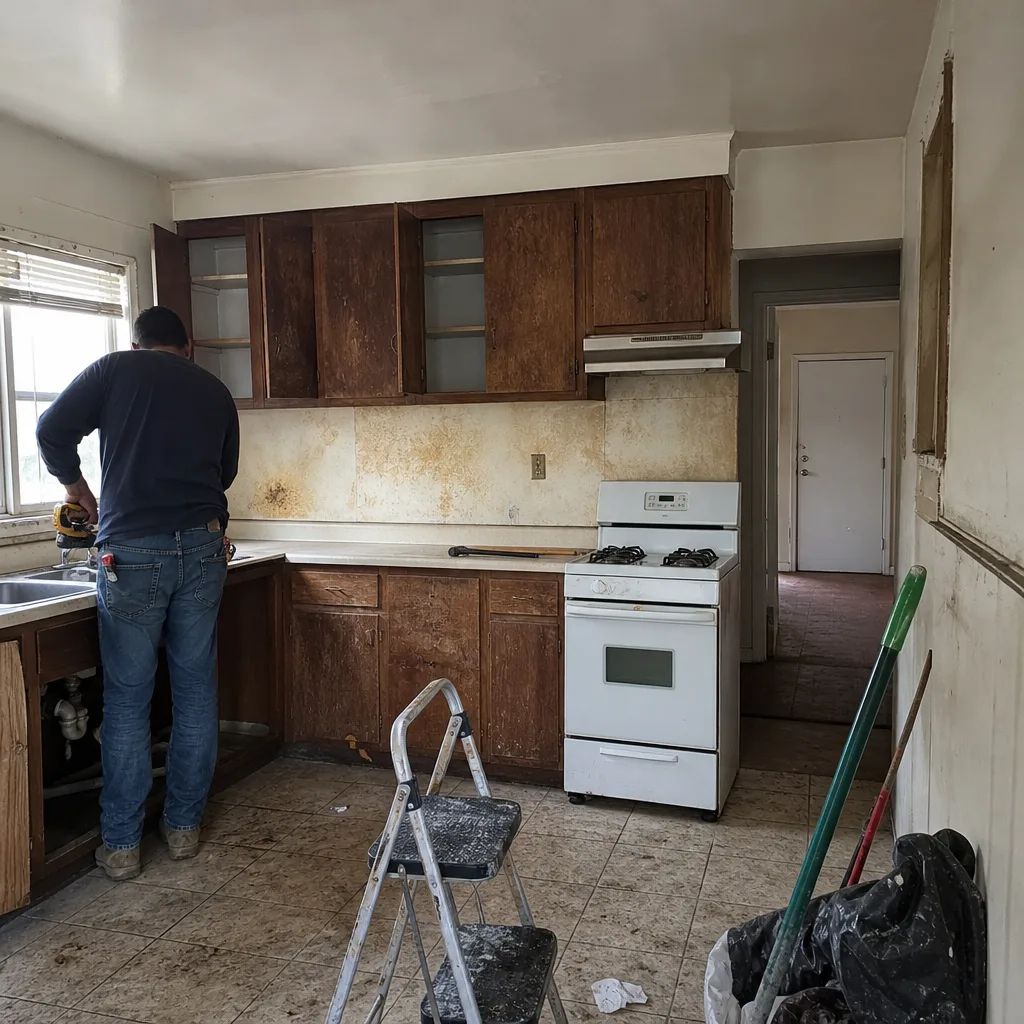 Before
 After
 Before
 After
When to Call a Professional
Some projects are fine to handle yourself. A fresh coat of paint, a new light fixture, minor fence repair: none of these need a contractor. But projects involving structural changes, electrical panels and wiring, gas lines, plumbing relocation, roofing at any height, or anything requiring a permit need a licensed professional. This is not just a matter of quality. It’s a matter of safety and legal compliance, and unpermitted work can cost you far more than the savings.
Call a contractor when the scope of your project includes any of the following: a kitchen or bathroom remodel that moves plumbing or electrical, a home addition or ADU, a full roof replacement, replacement of windows and doors, a new driveway or a paver installation over existing hardscape, or a fence installation on a property line. Those are all projects where the CSLB license, the insurance, the permits, and the material warranties matter together. Construction Inglewood offers free estimates in Inglewood, with written line-item quotes and fixed pricing with no change orders. Call (844) 320-4724. We answer 24/7. Fast dispatch from 7am to 7pm, Sunday through Friday.
Frequently Asked Questions
Go to the CSLB website and search by license number or company name. Check that the license is active, the classification matches your project scope, the bond and workers’ comp are current, and review any complaint history. Don’t rely on a business card or a contractor’s word. If they can’t give you a license number to look up, that’s your answer.
The classification code tells you what work the license actually covers. A B (General Building) license covers a broad range of residential work; specialty codes cover narrower trades. For a kitchen remodel, bath, or home addition, confirm the contractor’s classification covers your scope, not just that the license is active. Hiring outside the classification leaves you without recourse if the work goes wrong.
A mechanic’s lien is a claim against your property filed by someone who wasn’t paid for work or materials on it, including subcontractors and suppliers you didn’t hire. Protect yourself by requiring conditional lien releases from every sub and supplier at every payment draw, keeping a named list of subs and suppliers in the contract, and getting proof of insurance for each sub before they start. Call (844) 320-4724 for an exact quote on your project. Estimates are free.
Ask three questions: how many active jobs they’ll be running when yours starts, who will be on your job each day, and what the week-by-week schedule looks like. A contractor with four or more active residential jobs and one crew is likely to be late. A contractor with two or three who can name their subs and their schedule is one who’s planning. The quality of the answers tells you more than the answer itself.
A bathroom remodel typically runs a few weeks; a kitchen remodel a few weeks longer; a roof replacement or driveway installation a matter of days depending on size and weather. Home additions and ADUs take months, especially if prefab or modular construction is involved, where the timeline often depends on the manufacturer’s lead time plus foundation and site work. The written schedule in the bid is the one to hold everyone to.
Most structural, electrical, plumbing, and gas work in Inglewood requires a permit, and so do most additions and ADUs. Exterior work like a full roof replacement or a driveway resurfacing often requires a permit as well. Ask your contractor to describe the permit process for your specific project, and ask to see the permit before work begins. If they suggest skipping permits to save time, hire someone else.
The Bottom Line
Hiring a construction contractor in Inglewood comes down to a handful of checks done carefully. Verify the CSLB license beyond the green checkmark. Read the contract for the lien-release, sub-insurance, and change-order clauses. Compare bids by structure, not by total. Ask whether the brand claims are specific enough to verify. Ask the scheduling questions that reveal an overextended contractor. None of this is heroic effort. It’s ten minutes on the CSLB site, one careful read of the contract, and two or three uncomfortable questions asked before you sign. That’s the difference between a project that finishes on schedule and one that becomes the story you tell at dinner parties. The Inglewood homeowner who does this homework rarely regrets it.
Written by the team at Construction Inglewood.
Ready to start? Call Construction Inglewood at (844) 320-4724 for a free estimate. We answer 24/7. Fast dispatch from 7am to 7pm, Sunday through Friday. Licensed & insured, written line-item quotes, permits pulled and inspections passed, workmanship warranty on every job.