Last updated November 18, 2026



Free written scope consultation - allowances, timeline, and change-order rules on paper before a single trade is scheduled
Seasonal Construction Care for Inglewood: Year-Round Homeowner’s Guide
Here’s the counterintuitive part about maintaining a home in Inglewood: the dry, windy months do more exterior damage than the wet ones. The Santa Ana wind events that sweep through between October and January drive debris, flex roofing and fence assemblies, and dry out paint and sealant faster than any rainstorm. Most homeowners spend their worry on the rainy season and miss the window that matters most. This guide maps every exterior and structural task to Inglewood’s actual two-phase climate cycle, the marine-influenced wet season and the dry wind season, so you’re maintaining against the right threat at the right time.
Quick Answer
Seasonal construction care in Inglewood means protecting different building systems during two distinct weather phases: the marine-influenced wet season that stresses drainage, flashing and foundations, and the dry Santa Ana wind season from October through January that stresses roofing, fencing, cladding and sealants through thermal shock and debris impact. The best window for exterior painting, caulking and waterproofing is the mild January-to-March stretch, and post-wet-season inspections of drainage, foundation perimeters and hardscape joints should happen before summer dry-out locks in any settlement.
Styles & brands we work with
- Kitchen remodeling
- Bathroom remodeling
- Home additions & ADU
- Roofing
- Windows & doors
- Driveway & pavers
- Fence
Table of Contents
- How Inglewood’s Two-Phase Climate Cycle Affects Your Home
- What the Marine Layer Does Over Twelve Months
- The Pre-Santa Ana Checklist for Roofing, Fencing and Cladding
- Using the January-March Window for Exterior Work
- What to Inspect After the Wet Season Ends
- Building an Inglewood-Specific Maintenance Calendar
- Interior Systems That Deserve Seasonal Attention Too
- Common Mistakes to Avoid
How Inglewood’s Two-Phase Climate Cycle Affects Your Home
Inglewood sits in a band where the marine layer from the coast pushes inland most mornings during the cooler months, then burns off by midday. That daily moisture cycle is the first half of the year here. The second half is the dry wind season, when Santa Ana events pull warm, very dry air through the basin from roughly October through January. Those two phases stress completely different materials, and that’s the part most national maintenance calendars get wrong. Generic advice built for four-season climates tells you to winterize and forget about it. Inglewood doesn’t work that way.
During the wet phase, moisture accumulates in the places that don’t get direct sun: north-facing walls, the shaded side of a fence line, the low corner of a driveway, and any masonry that hasn’t been sealed. Painted wood absorbs that daily dampness and expands slightly, then contracts when the sun hits it mid-morning. Over a year of that cycle, paint film starts to hairline-crack along panel edges. Unsealed stucco and brick wick moisture into the wall cavity. Metal flashing cools at night and collects condensation on its underside, which is where you find corrosion first if the fastener heads are exposed.
The dry wind phase does something different. The air is desiccated, and the wind carries grit, leaves and palm fronds at speed. Roof field shingles flex. Fence pickets rack out of plumb. Sealant joints around windows and doors dry out and pull away from the frame. You’ll often see the result as a small gap at a window corner long before you notice a water stain, because the wind gets to the sealant before the rain does.
The practical takeaway: Inglewood homes need two maintenance mindsets, not one. Pre-wet-season work is about shedding water and clearing drainage. Pre-wind-season work is about anchoring, sealing and inspecting anything the wind can grab. If you only do the first, you’ll be chasing repairs after the first strong offshore event.
What the Marine Layer Does Over Twelve Months
The marine layer’s daily moisture cycle leaves a slow mark on three material groups in particular: painted wood, unsealed masonry, and exposed metal flashing. Most of this damage is invisible until it reaches a failure point, which is why an annual walk-through matters more than a repair once something looks wrong.
Painted wood and trim. Wood trim, fascia boards, door surrounds and fence pickets take the biggest hit. Daily damp-then-dry expansion works the paint film from underneath. You’ll see the first signs as a faint matte patch or a slight chalkiness on shaded surfaces, before any crack appears. Once the film breaks, moisture gets behind the paint and pushes it off from the wood side.
Unsealed masonry and stucco. Stucco, brick and concrete block absorb moisture into the surface pores. On Inglewood’s older housing stock, that surface absorption is often invisible until a freeze-free winter’s worth of damp shows up as efflorescence, the whitish mineral bloom that rises out of the masonry. A penetrating sealer applied during the dry window slows the absorption without trapping moisture inside. Latex paint on stucco can do the same job if the surface is sound.
Metal flashing. Roof-to-wall flashing, chimney counter-flashing, and window head flashing all get condensation on the shaded underside. Fastener heads that sit proud of the metal collect moisture and start to corrode. When the flashing is aluminum against treated lumber, the corrosion can move faster. Annual inspection at the roof perimeter catches this early. This is also where we recommend a trained roofer take a look: walking a pitched roof to inspect flashing is a genuine fall hazard, and it’s not a job for a homeowner with a ladder.
Seal the envelope, keep water moving away from the wall, and check the metal each year. That’s the whole program, and it’s cheaper than the repair work that follows a neglected cycle.
The Pre-Santa Ana Checklist for Roofing, Fencing and Cladding
Santa Ana wind events arrive between October and January. They don’t announce themselves far ahead, so the prep work has to happen before the season starts. A pre-Santa Ana inspection in Inglewood should cover these systems in this order:
- Roof field and perimeter. Check for lifted or curled shingle tabs, cracked ridge caps, and any loose vent covers or turbine vents. Debris impact during a wind event can flip an already-loose shingle entirely, leaving the underlayment exposed to the next rain. On a GAF or CertainTeed architectural shingle assembly, the perimeter is what the wind lifts first.
- Ridge and hip caps. These take direct wind load. Press gently on the caps at the ridge to confirm they’re still bonded. Any that move under light pressure need resealing before the season, not after.
- Fascia and soffit. Loose fascia boards and unclipped soffit panels are what the wind grabs. A soffit panel that separates during a gust lets wind-driven debris into the attic cavity.
- Fence posts and rails. Push each post laterally. A post that moves at the base has already lost its footing and will lean after the first event. Check rail-to-post fasteners too. Wind-driven fence failure almost always starts at a loose fastener that lets the panel rack.
- Cladding and trim. Walk the exterior walls and press on any siding or trim piece that looks loose. Tighten or re-secure before the wind can work it.
- Gutters and downspouts. Clear the gutter line of leaves and debris. A clogged gutter backs water up under the roof edge during the first rain after the wind season, when the debris load is highest.
- Yard items and trees. Secure or store loose items. Have trees near the roofline assessed for dead limbs by an arborist before the season.
If your existing roof is at the end of its service life, this is the moment to consider replacement rather than one more round of repairs. That’s where the choice of manufacturer matters: GAF, CertainTeed, Owens Corning, IKO, Atlas, Tamko and Boral all offer different warranty tiers, and the right one depends on your roof pitch and exposure. Our Construction Inglewood team can walk the roof and give you a written line-item estimate before the season starts.
Using the January-March Window for Exterior Work
January through March is the best window in Inglewood for exterior painting, caulking and waterproofing. The daytime temperatures are mild enough for coatings to cure without flashing, the humidity is higher than summer, and the wind events have usually quieted by late January. This is when exterior work moves fastest and lasts longest, which is why scheduling it early in the year is worth doing.
What goes into this window:
- Exterior painting. Latex and elastomeric coatings both want ambient temperatures in a moderate range and no direct sun during application. The January-March window delivers both on most south- and west-facing walls in the morning hours. Coatings applied during this period cure evenly, which is what determines how long the paint film lasts.
- Caulking and sealant replacement. Joints around windows, doors and trim dry out during the Santa Ana season. Replacing the sealant in the mild early-year window lets it bond to a surface that isn’t baking in the sun, so the bond lasts longer. Use a sealant rated for exterior movement joints.
- Waterproofing and masonry sealing. A penetrating sealer wants a dry, clean surface and mild temperatures to cure. Applying it in midwinter on Inglewood’s stucco and masonry gives you the best penetration and no risk of a premature rain washing it off.
- Fence staining and sealing. Wood fence material takes stain best in mild temperatures. Staining during the early-year window protects the wood through the dry season, when UV exposure is the biggest threat to the surface.
- Deck and hardscape maintenance. Pavers and concrete get re-sanded and sealed in this window too. Joint sand that has washed out over the wet season gets replaced while the weather cooperates.
The important caveat: the window only works if the surface is dry and sound. Painting over failing paint, or sealing over a damp wall, just traps the problem in. Surface prep, including pressure washing, scraping and spot priming, is most of the labor in a durable paint job.
What to Inspect After the Wet Season Ends
Once the wet season winds down, usually by late March or April, you have a short window to catch problems before summer dry-out makes them worse and more expensive. Three systems need attention in this order:
- Drainage. Walk the perimeter of the house after a rain and note where water stands. Check the grade around the foundation. Soil that has settled against the foundation wall during a wet season often leaves a low spot that channels water. Check gutter downspouts and make sure runoff is directed away from the foundation, not into it.
- Foundation perimeter. Look for new cracks in the visible foundation line, doors that have started sticking at the top or bottom corner, and any diagonal cracking in the interior wall plaster above door frames. Settlement that starts during the wet-to-dry transition tends to accelerate in the summer heat. Catching it early means you may only need to re-grade, not re-support.
- Hardscape joints. Concrete driveways, paver patios and walkway edges all move over the wet season. Polymeric joint sand and joint sealant degrade. If a paver panel has begun to separate or a joint has washed out, re-sanding and re-compacting early prevents future settlement. For a driveway or paver surface that’s already failing, driveway & pavers work done in the spring gives the surface the whole dry season to cure and settle before the next wet season.
If you find movement at a fence line during this inspection, that’s the moment to re-set posts and tighten hardware before summer heat causes further shifting. That’s basic fence installation maintenance territory even if the fence is years old. Similar logic applies to roofline damage: if the wet season exposed a leak path, the pre-summer window is the cheapest time to fix it.
Building an Inglewood-Specific Maintenance Calendar
The single biggest mistake we see is homeowners following a national maintenance calendar built for a four-season climate. That gets you winterizing a house that never freezes and ignoring wind damage that actually does occur here. Build the calendar around Inglewood’s real seasons instead.
Here’s the annual rhythm we recommend:
- September (pre-wind season): Roof inspection, fascia and soffit check, fence post push-test, sealant inspection, gutter clearing.
- October-December (wind season): Visual walk-around after each wind event. Fix small things immediately; don’t wait.
- January-March (mild window): Exterior painting, caulking, waterproofing, masonry sealing, fence staining, hardscape maintenance.
- April-May (post-wet inspection): Drainage, foundation perimeter, hardscape joints, roof edge check, siding and trim inspection.
- June-August (dry season): Interior projects, kitchen and bathroom remodels, and any work you want done while the exterior is quiet.
Print this list. Pin it somewhere you actually look at. A reminder on a phone calendar in September and again in April handles 80 percent of the annual maintenance load. The other 20 percent is the walkaround after the first big wind event of each season.
Some homeowners will want to build a project calendar around the same rhythm. Spring is a good time to begin planning a larger addition or ADU if you want the framing done in dry weather and the house buttoned up before the next wet season. Our home additions & ADU work runs on that same climate logic.
Interior Systems That Deserve Seasonal Attention Too
The exterior gets most of the attention, but interior systems also need seasonal check-ins based on the same climate pattern. Humidity cycling inside an Inglewood home affects cabinetry, caulk joints and plumbing fixtures.
Cabinetry and countertops. Wood cabinet doors and drawer fronts expand and contract with the humidity cycle. Hinges and drawer slides loosen gradually. Twice a year, walk the kitchen and tighten every visible screw on the hinges and drawer slides. If you’re planning a remodel, the material matters: KraftMaid and Wellborn cabinetry both carry their own manufacturer warranty, which is layered on top of the installation work. Cambria, Silestone and Caesarstone countertops are engineered surfaces that ignore the humidity cycle entirely.
Plumbing fixtures. Metals in kitchen and bath fixtures corrosively stress during the damp part of the year. A slow drip at a faucet or a pinhole leak in a supply line often shows up in January or February. Take a look under every sink once a year. When a fixture reaches the end of its life, brands that carry independent manufacturer warranties make the decision easier: Kohler, Moen, Grohe, Delta, Toto, American Standard, Blanco and Sterling all offer warranty terms worth reading before you buy. Toto and American Standard both make toilets that hold up under repeated thermal cycling, which is why we specify them often in bathroom remodels.
Bathroom caulk and grout. Silicone caulk joints shrink and pull away with the seasonal humidity swing. Inspect at the tub and shower base and the wall-to-tile transitions. Re-caulking during the dry window gives the sealant the best cure time. If a wet-season leak has already gotten behind the tile, that’s a full bathroom remodeling conversation and you’ll want a professional to open the wall and look, because water damage often travels further than it looks.
Windows and doors. Sliding glass doors and older aluminum windows take a beating from thermal cycling. Check the weatherstripping and the rollers on each sliding door once a year. If a window is foggy between the panes, the seal has failed, and that’s not something weatherstripping can fix. Replacement windows from PGT, CGI and Therma-Tru all carry independent manufacturer warranties that protect the glass unit.
Common Mistakes to Avoid
- Following a national maintenance calendar. If your checklist says “winterize sprinklers” and doesn’t mention wind-season prep, it is not built for Inglewood. Build your own calendar around the two-phase cycle.
- Waiting until the wind season to inspect the roof. By the time the Santa Ana winds arrive, you can’t safely walk a pitched roof to check it. Do the roof and fascia inspection in September.
- Painting over failing paint. Paint that’s already cracked or chalking won’t hold a new coat for long. Prep work, scraping, priming and spot-sanding, is what determines how long the paint lasts. Skipping it and painting in the January-March window wastes the best conditions of the year.
- Sealing masonry while it’s still damp. A sealer applied over a wet stucco or brick surface traps moisture inside. The wall needs a dry, sunny week first.
- Ignoring a small fence post lean. A post that has begun to lean after a wet season will continue to move through the dry season. Re-securing in April costs far less than replacing the fence line in September.
- Skipping the post-wet-season inspection. Drainage and hardscape joint problems are easy to fix in April and expensive by August. Settlement continues during dry-out.
- Treating wind damage as a maintenance item. A roofing repair after a wind event is often a sign that the assembly is at the end of its life. If you’re repairing the same area twice in a year or two, look at replacement quotes rather than a third repair.
When to Call a Professional
Some seasonal maintenance is DIY-friendly: tightening cabinet hinges, re-caulking a tub joint, checking a fence post with a push-test. Other seasonal work needs a licensed trade and a ladder at minimum. Call a professional for any roof inspection or repair, for anything above the first-floor eave line, for foundation cracks that look like they’ve grown, for masonry that needs pressure washing and sealing over a large surface, for fence replacement rather than repair, and for exterior painting above the second story. Electrical, plumbing and gas work also belong with a licensed trade.
The estimate is free, and the price is set per job by the written estimate once the scope is clear. Call (844) 320-4724 to schedule a seasonal inspection. We answer 24/7 and fast dispatch runs from 7am to 7pm, Sunday through Friday.
See the difference
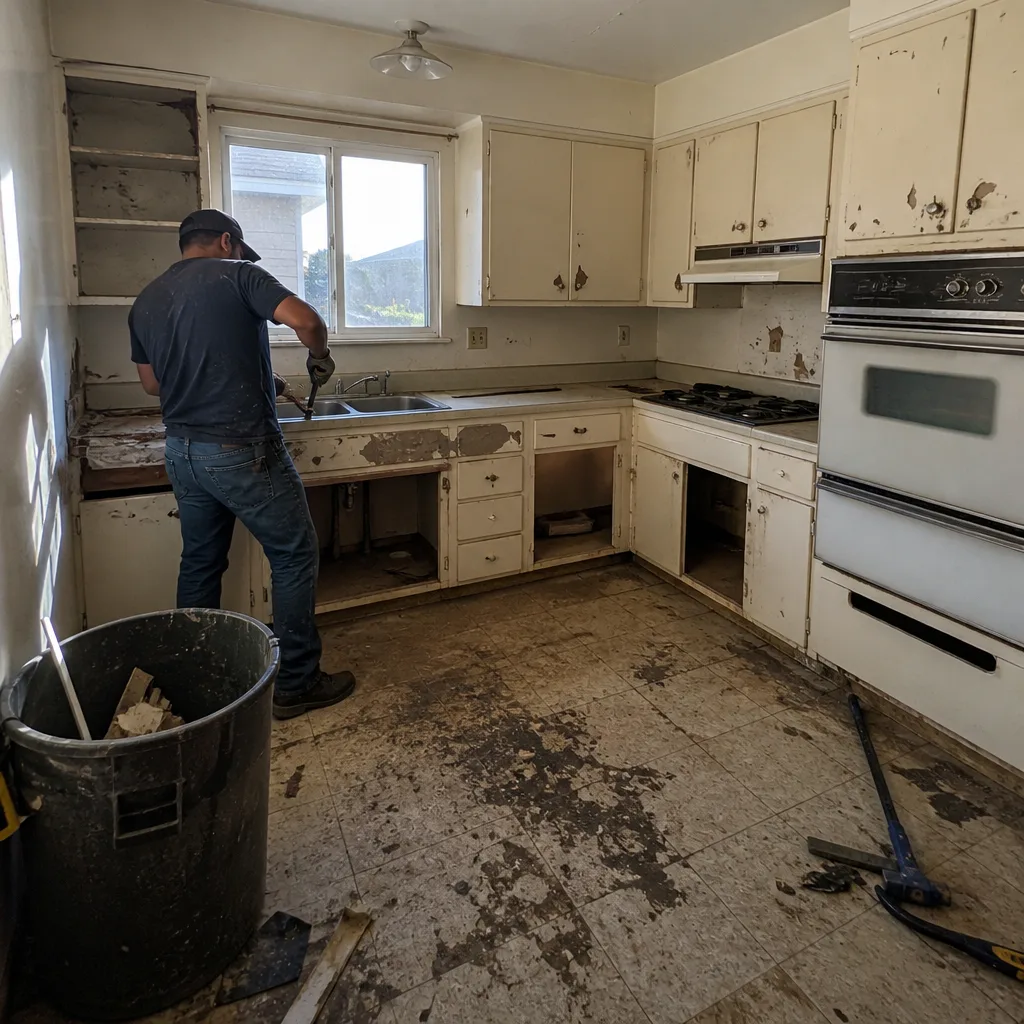 Before
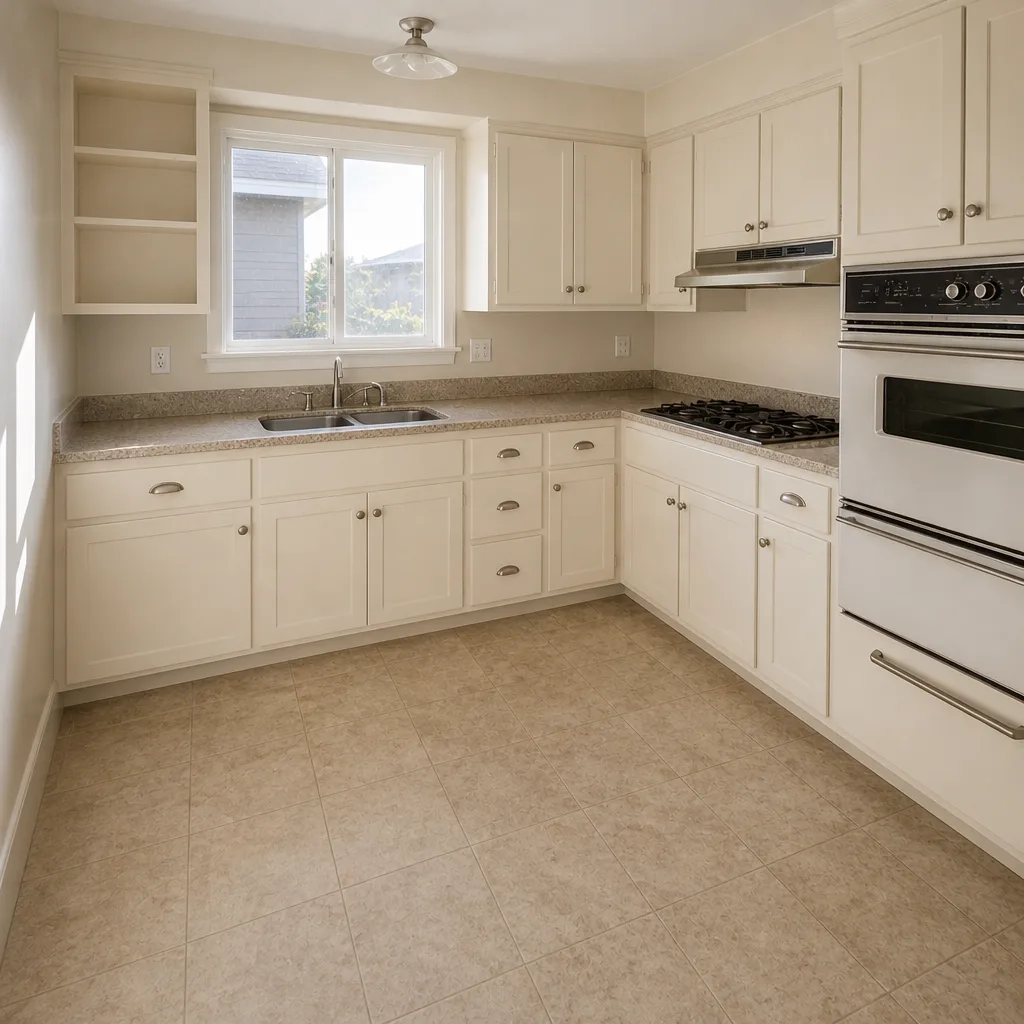 After
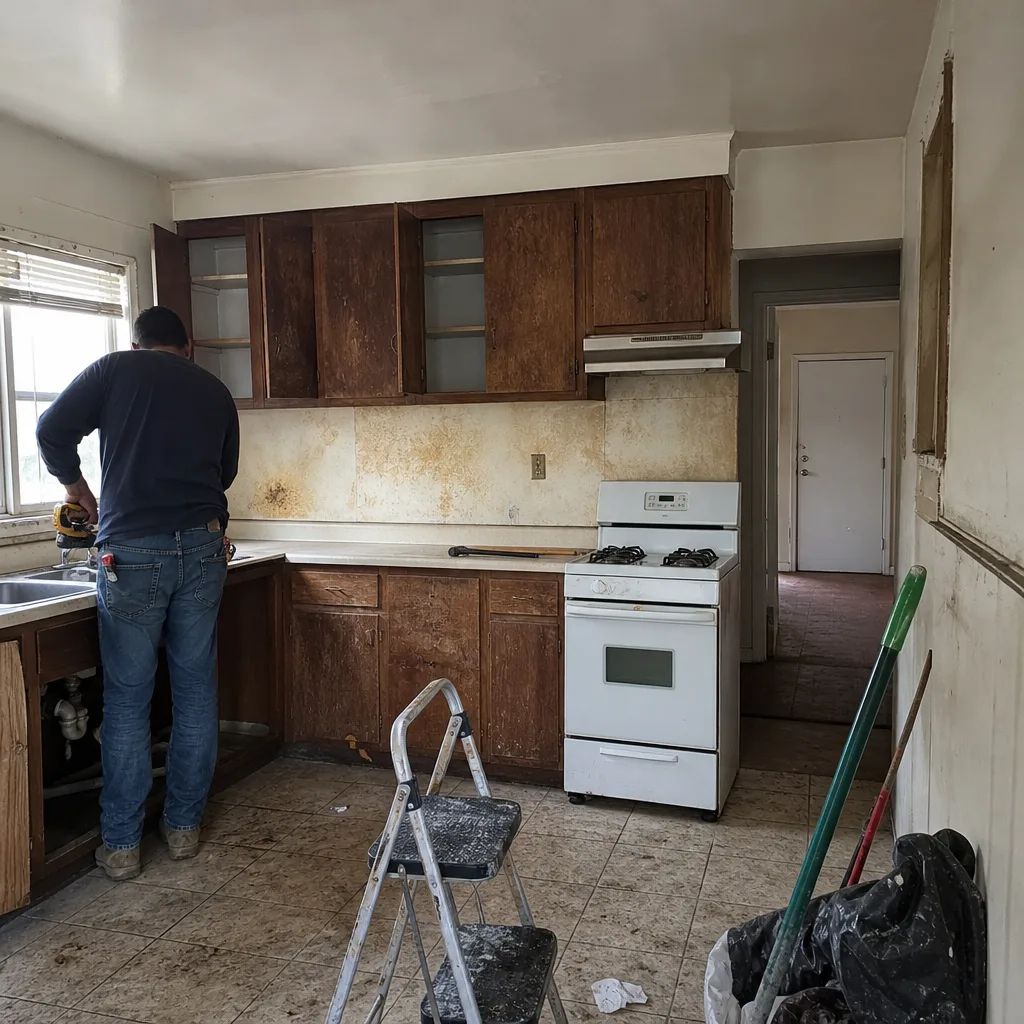 Before
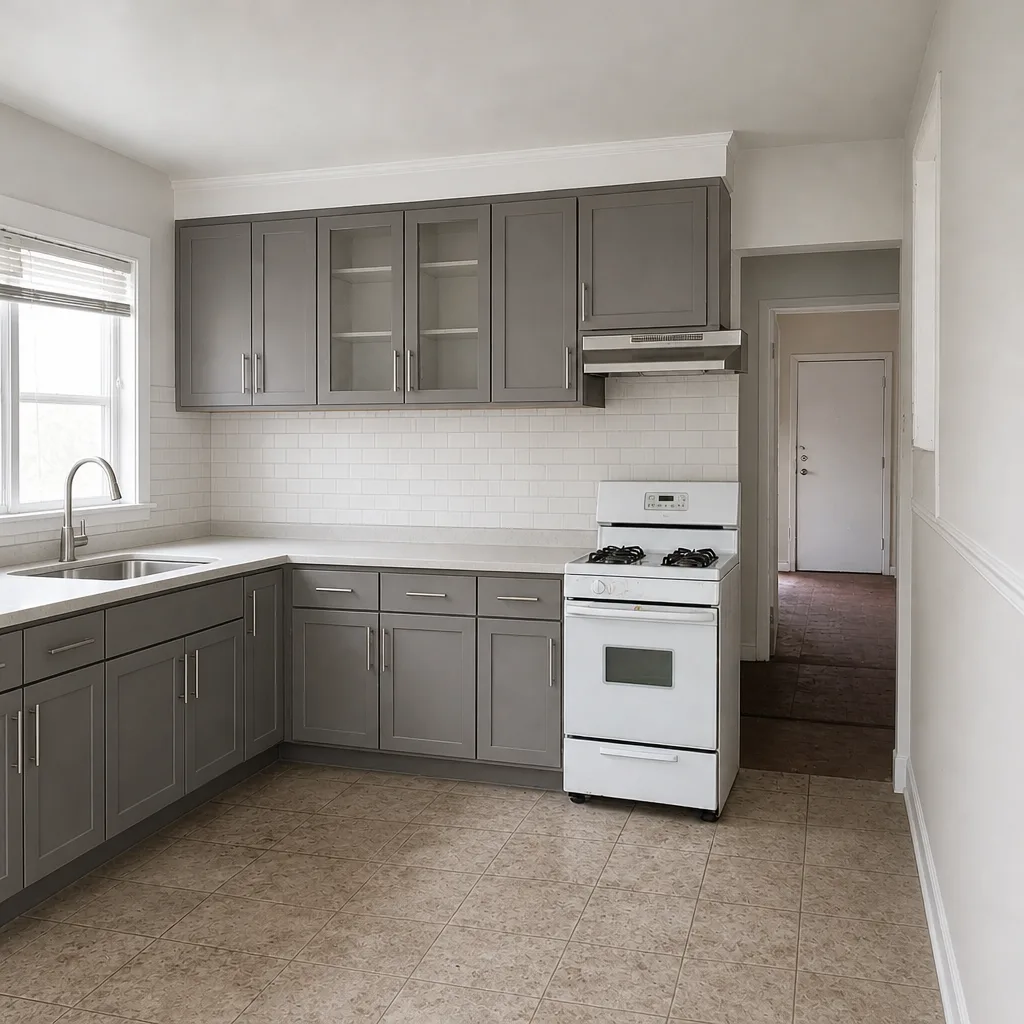 After
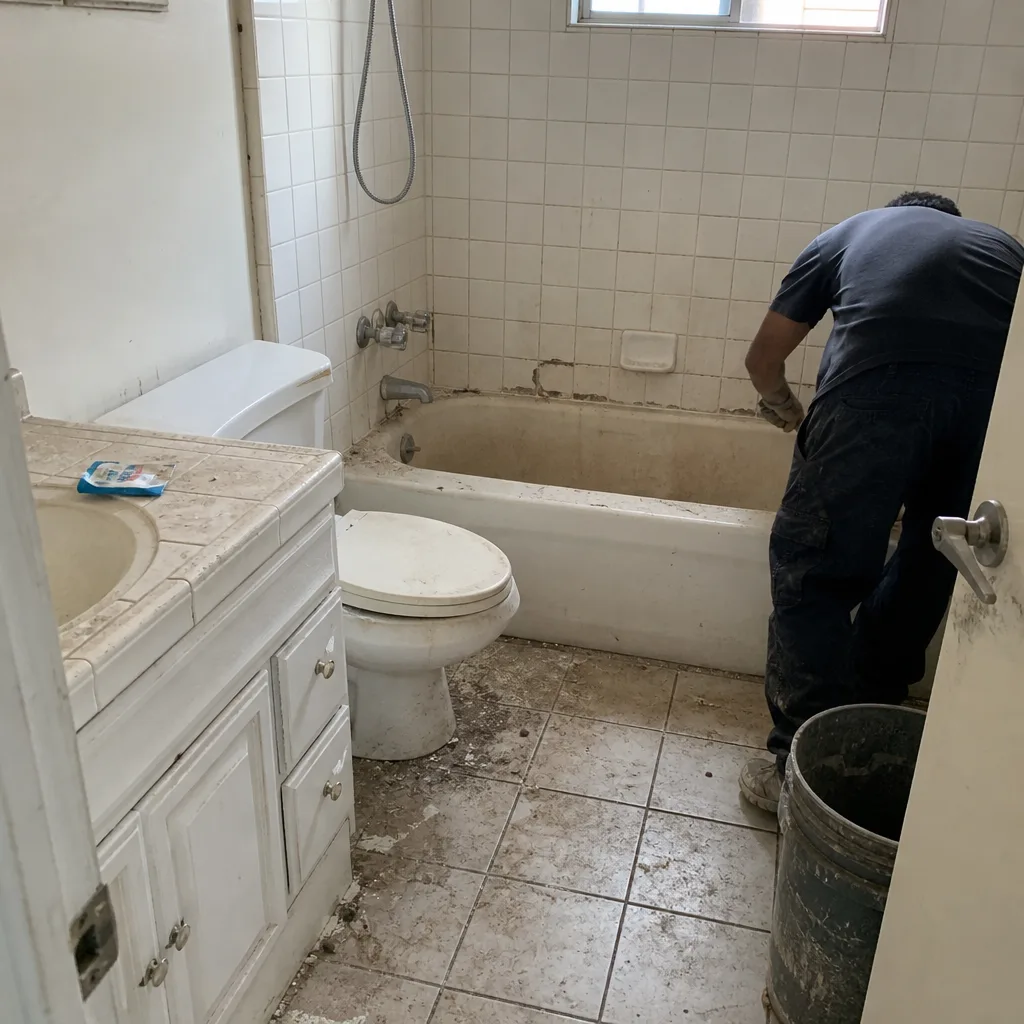 Before
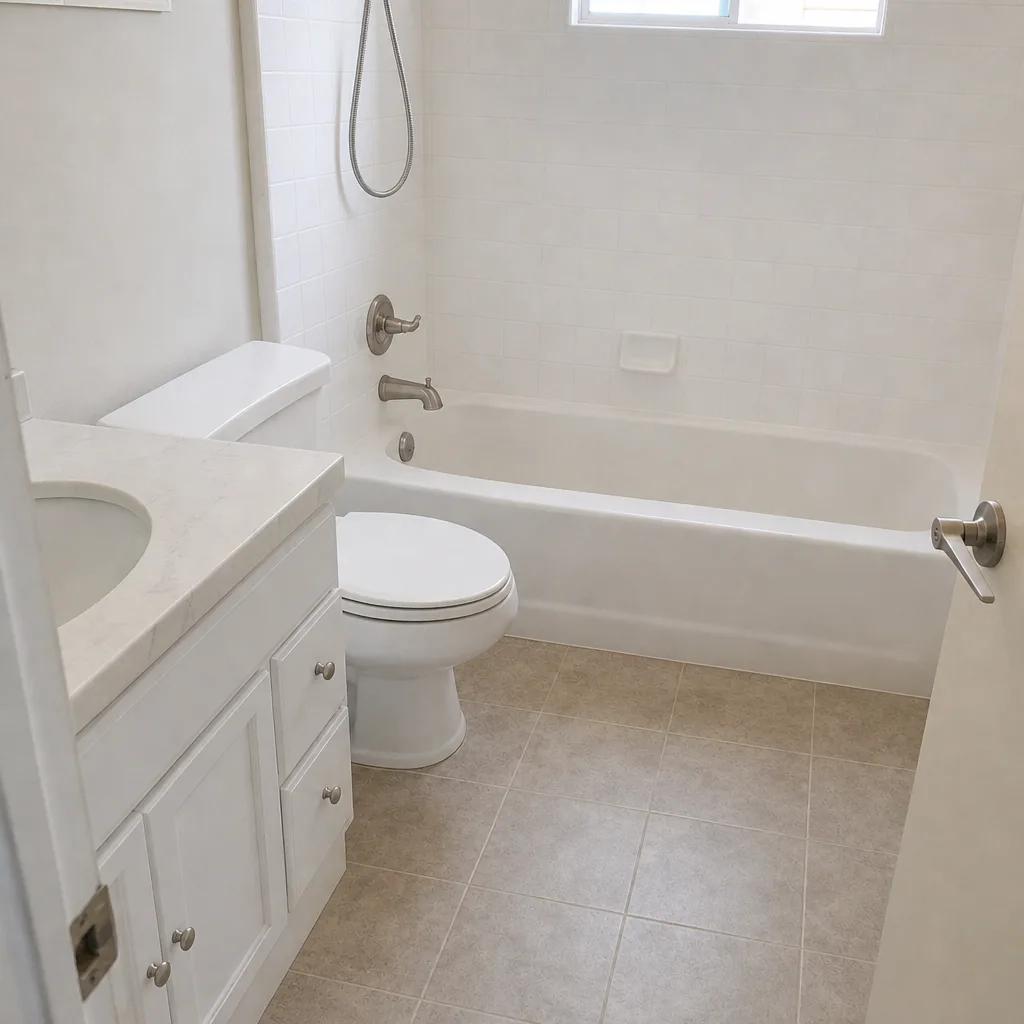 After
Frequently Asked Questions
Schedule it in September, before the Santa Ana wind season starts, and again in April after the wet season ends. The pre-wind inspection catches loose shingles and flashing before a wind event pulls them off. The post-wet inspection catches any leaks that developed during the rainy months. Both are much cheaper than emergency repairs. Call (844) 320-4724 for a free estimate on a roof inspection.
February and March are typically the best months for exterior painting in Inglewood because daytime temperatures are mild and humidity is steady without baking the coating. Latex and elastomeric coatings cure evenly in those conditions. You want a dry forecast for several days and good surface prep before the paint goes on. Call (844) 320-4724 for a free exterior painting estimate.
Yes. Push-test every post and tighten the rail-to-post fasteners before October. A fence post that moves at the base will lean during a wind event, and a rail that’s already loose lets the whole panel rack. The fix is quick and cheap in September and much more expensive in November. Call (844) 320-4724 for a free fence inspection estimate.
Re-seal masonry and stucco every few years, and inspect annually. The marine-layer moisture cycle gradually wears down a penetrating sealer’s effectiveness, and the surface will start absorbing moisture again long before it looks visibly degraded. The best time to apply is the January-March window on a dry surface. Call (844) 320-4724 for a free estimate on masonry sealing.
Check drainage, the foundation perimeter, and hardscape joints in this order. Look for standing water after rain, new cracks in the visible foundation line, doors that have started sticking, and paver joints that have washed out. Catching these in April prevents summer dry-out from turning small settlement into structural work. Call (844) 320-4724 for a free post-wet-season inspection estimate.
Yes, and the two-phase climate actually helps project scheduling. Spring is the best time to frame and dry-in an addition or ADU because you’re working through the dry season, and interior remodels can run in the summer when exterior work is quiet. Our home additions & ADU projects are backed by partners including Abodu, Mighty Buildings, Boxabl, Dvele and Plant Prefab, each engineered for faster time to occupancy and local code compliance. Call (844) 320-4724 for a free estimate.
Why a Single Contractor Makes Seasonal Work Easier
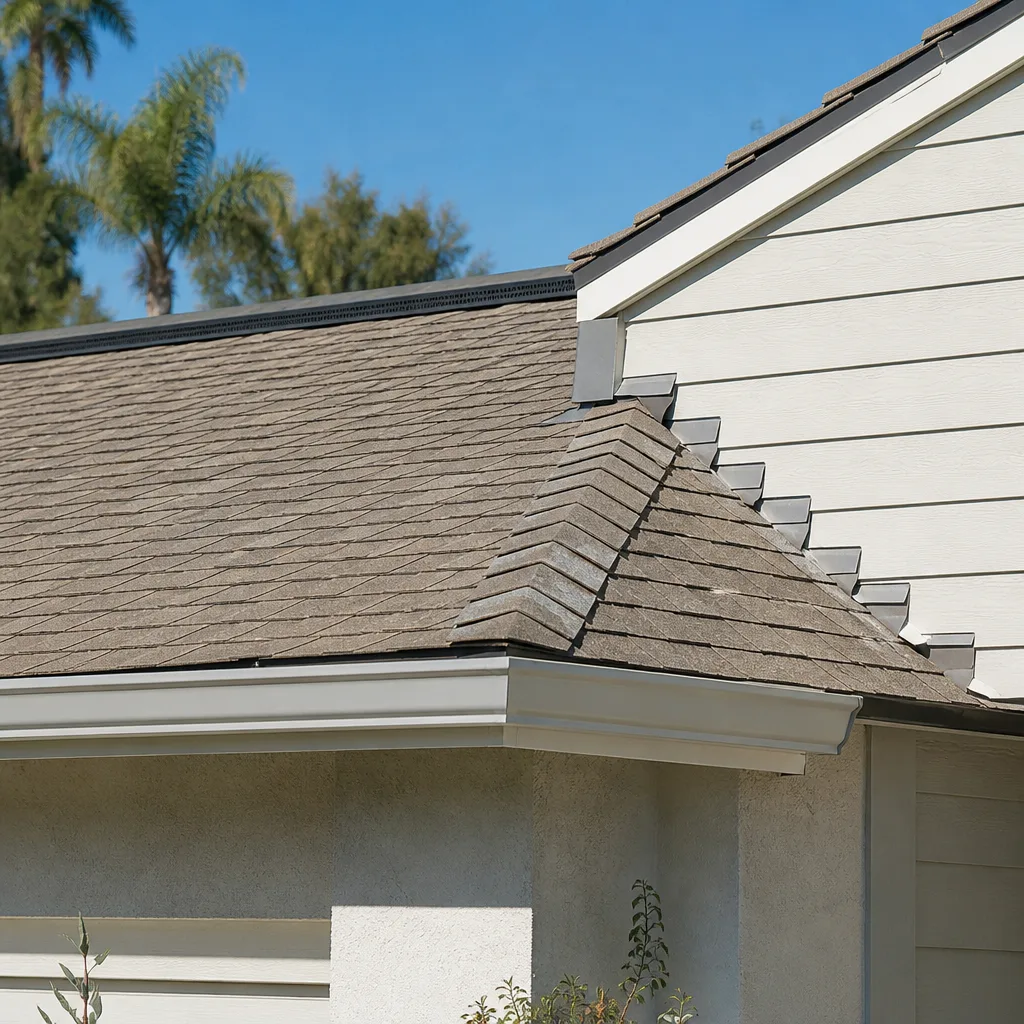
Seasonal maintenance touches every system on the property: roof, fence, exterior paint, hardscape, plumbing and interior finishes. The coordination cost of managing five specialists across those systems is real, and it’s why so many seasonal maintenance plans slip. You can line up a roofer, a painter, a fence contractor and a hardscape crew and then find that they can’t agree on a schedule. Keeping one point of contact across all of it keeps the calendar tight.
Our technicians have up to 14 years of experience, and we handle all seven residential service lines under a single contractor relationship: roofing, windows and doors, kitchen remodeling, bathroom remodeling, home additions and ADU, fence installation, and driveway and pavers. Material selection is genuinely open. Roofing can come from GAF, CertainTeed, Owens Corning, IKO, Atlas, Tamko or Boral. Pavers can come from Belgard, Unilock, Techo-Bloc, Tremron, Cambridge Pavers or Oldcastle. Windows and doors can come from PGT, CGI or Therma-Tru. Kitchen and bath fixture brands include Kohler, Moen, Grohe, Delta, Toto, American Standard, Blanco and Sterling. You choose the material by design, warranty tier and budget. We handle the rest.
That scope matters most during a transition week like the one after a wind event or the one right before the first rain. If the same contractor who inspected the roof is also the one who fixes the fence and touches up the paint, you don’t have to re-explain site conditions to anyone. One project, one point of contact.
The Bottom Line
Inglewood’s climate doesn’t have four seasons, so a four-season maintenance calendar will leave you protecting the wrong system at the wrong time. Build your calendar around the wet season and the Santa Ana wind season instead. Inspect the roof, fascia, fence and sealant in September. Paint, caulk and waterproof in the January-March mild window. Inspect drainage, foundation perimeter and hardscape joints in April before summer dry-out. Keep a short post-wind-event walkaround handy in October through January. The annual rhythm costs a few hours a year when you follow it and thousands of dollars when you don’t, so it’s worth printing and pinning somewhere visible.
If you want a partner who can walk the whole property and handle roof, fence, exterior and interior work under a single contractor relationship, we’re ready. Call (844) 320-4724 for a free written estimate. We answer 24/7 and fast dispatch runs from 7am to 7pm, Sunday through Friday.
Written by the team at Construction Inglewood.