Last updated November 18, 2026


Free written scope consultation - allowances, timeline, and change-order rules on paper before a single trade is scheduled
DIY vs Professional Construction: The Inglewood Homeowner’s Decision Guide
Most homeowners frame this decision as a skill question: can I do this myself, or do I need to hire someone? That framing misses the point. In California, the real dividing line is legal and financial, not physical. Certain work is restricted to licensed contractors no matter how handy you are, and unpermitted improvements follow a house through disclosure, appraisal, insurance review and resale. A homeowner who can lay tile beautifully can still create a problem that costs more to fix than the job would have cost to hire. This guide walks through how to sort any project into the do-it-yourself column or the licensed-contractor column using three tests that hold up in Inglewood and across Los Angeles County.
Quick Answer
In California, structural work, electrical panel upgrades, gas line work, and most plumbing and roofing installations legally require a licensed contractor, while painting, demolition, landscaping, and tile in dry areas are reasonable homeowner projects. The practical test isn’t skill: it’s whether the task needs a permit, whether the manufacturer requires licensed installation to honor the warranty, and whether California law restricts the trade. If any of those three answers is yes, hire it out.
Styles & brands we work with
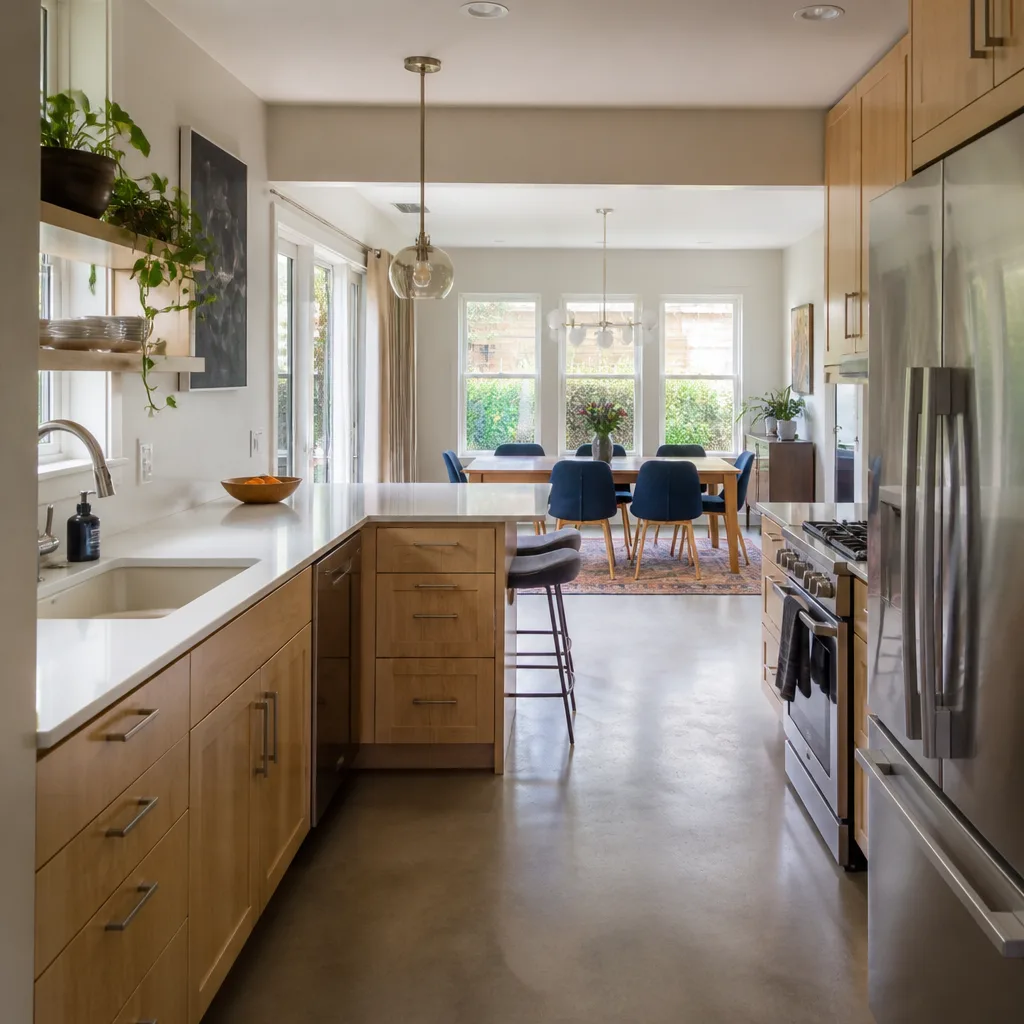
- Kitchen remodeling
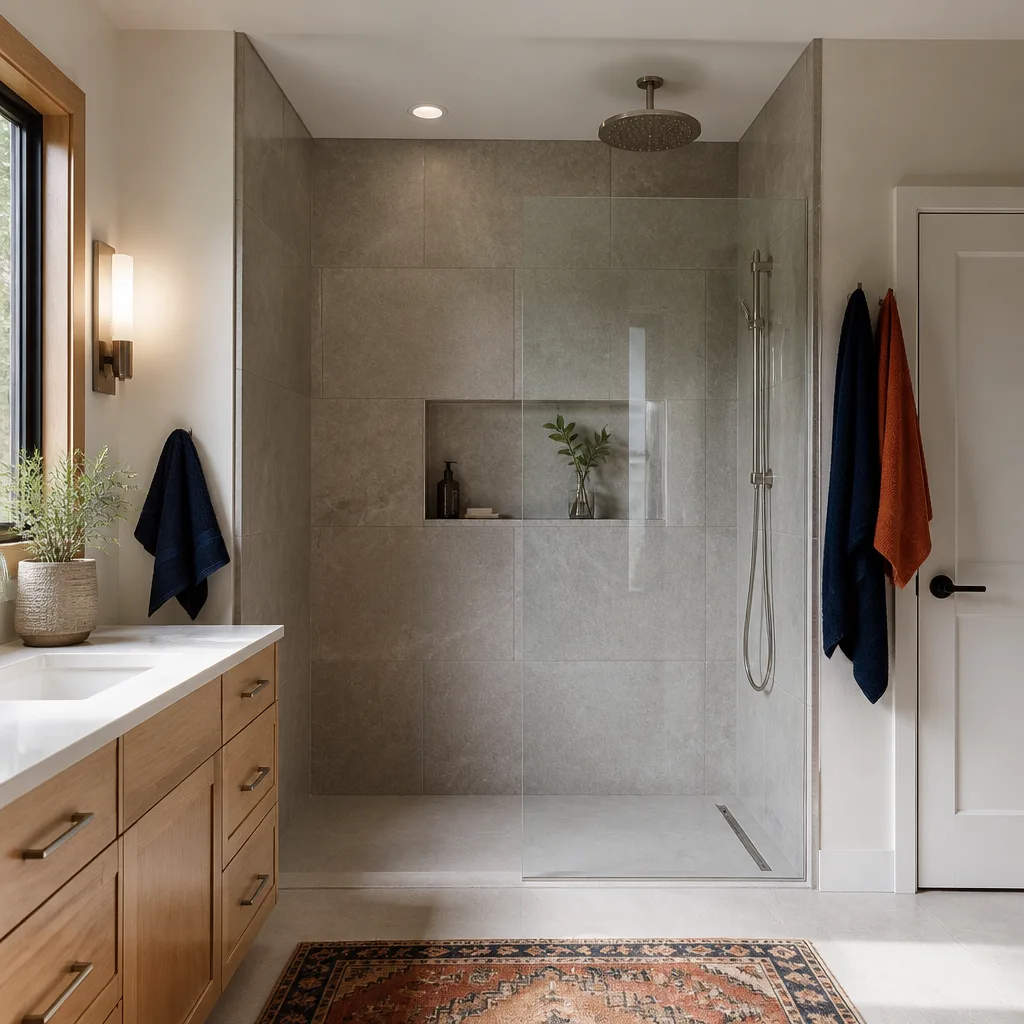
- Bathroom remodeling
- Home additions & ADU
- Roofing
- Windows & doors
- Driveway & pavers
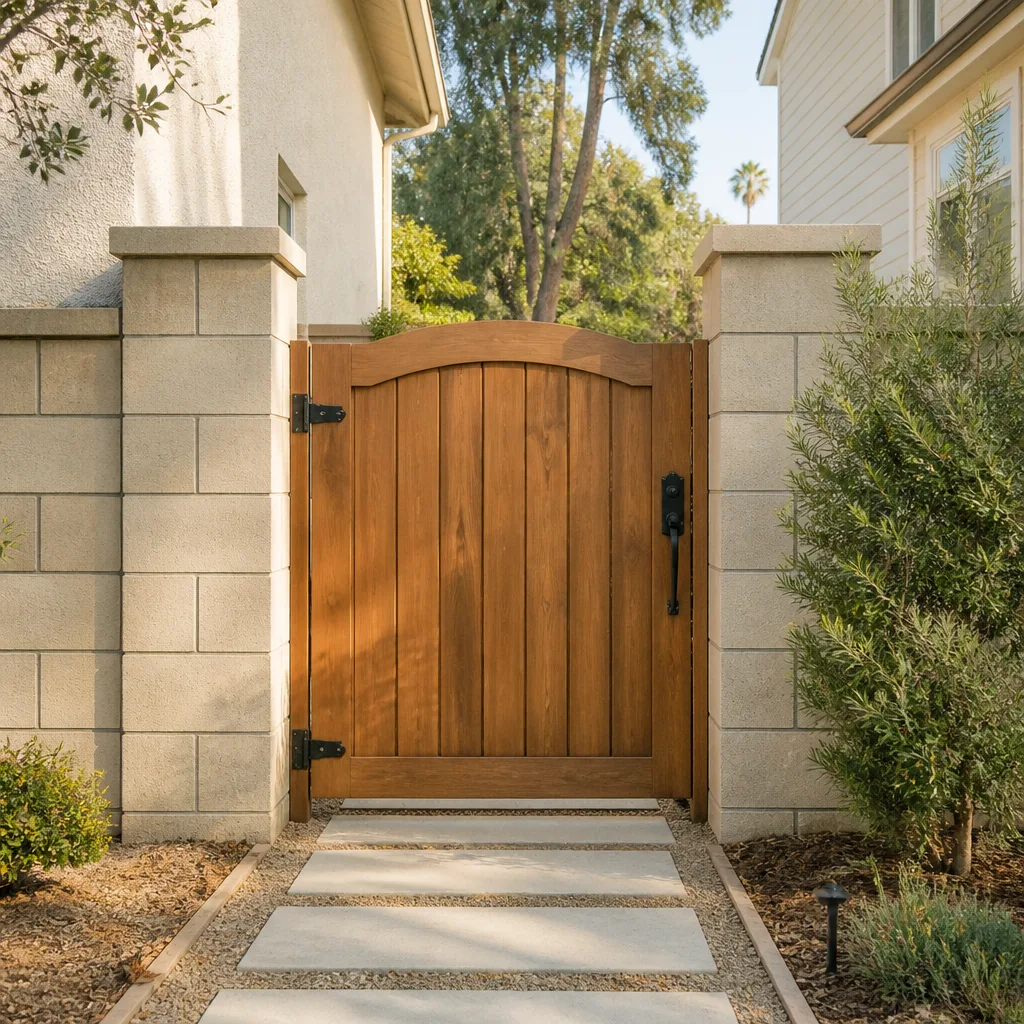
- Fence
Table of Contents
- The Three Tests That Decide Any Project
- Work California Law Restricts to Licensed Contractors
- How Unpermitted Work Surfaces and What It Costs to Fix
- Where DIY Genuinely Saves Money in Inglewood
- How DIY Installation Voids Manufacturer Warranties
- What’s Different About Building in Inglewood
- A Step-by-Step Way to Evaluate Your Own Project
- The Middle Path: Partial Scope with a Single Contractor
The Three Tests That Decide Any Project
Before you buy a single tool or watch a single video, run the task through three questions. They take about ten minutes and they save the kind of money that doesn’t show up in a project budget until years later. We use this same framework when a homeowner calls us unsure whether they need us at all.
- Does this task require a permit? If your city’s building department issues a permit for the work, the inspection that comes with it is the point of the permit. Skipping the permit means there’s no record the work was done to code, and that record matters when you sell.
- Does the manufacturer require licensed installation to honor the warranty? Roofing shingles, windows, waterproofing membranes and many fixture brands all attach their warranty to proper installation by a qualified installer. Do the work yourself and the warranty can become a piece of paper with no coverage behind it.
- Does California law restrict this trade to a licensed contractor? Some work is restricted regardless of competence. We cover those categories in the next section.
If all three answers are no, DIY is on the table. If any answer is yes, the project belongs with a licensed professional. That’s the whole decision. Everything else, from your comfort with power tools to how much time you have, is secondary.
Work California Law Restricts to Licensed Contractors
California’s Contractors State License Board regulates who may contract for construction work, and certain categories are effectively closed to homeowners no matter how capable they are. The reason isn’t gatekeeping. It’s that mistakes in these areas cause fires, gas leaks and structural failure, and the consequences land on people who never agreed to take the risk.
- Electrical panel upgrades and new circuits. Replacing a service panel or adding circuits requires a licensed electrician and a permit. Panel work is one of the most dangerous tasks in a house, and a mistake here can start a fire inside a wall where you’ll never see it coming.
- Gas line work. Running, extending or relocating gas lines for a range, dryer, water heater or outdoor kitchen is gas work. It requires a licensed trade and an inspection. A leak is not a problem you discover gradually.
- Structural modifications. Removing a load-bearing wall, cutting a beam, adding a second story or altering a foundation requires engineering and permits. This is the category where unpermitted work is most expensive to remediate, because the fix often means opening finishes back up.
- Roofing replacement and major repairs. Roofing requires a permit in most jurisdictions and the manufacturer warranty depends on proper installation. A permit also documents the deck condition under the old roof, which protects you if problems surface later.
- Water heater replacement and major plumbing alterations. Like-for-like water heater swaps still typically need a permit. New drain lines, re-piping and moving fixtures do as well.
If your project touches any of these, stop and hire a licensed contractor. The permit and inspection aren’t paperwork overhead; they’re the record that keeps the work insurable and sellable.
How Unpermitted Work Surfaces and What It Costs to Fix
Unpermitted work is invisible until it isn’t. It tends to surface during a home sale, and by then you’re negotiating under pressure with a buyer who has leverage. Here’s how it typically unfolds.
- The listing. California sellers must disclose known improvements and whether permits were pulled. If you added a room or converted a garage, that question comes up directly.
- The buyer’s inspection. A home inspector flags work that looks newer than the rest of the house, or that doesn’t match the county’s records. A simple records pull at the building department reveals what permits exist.
- The appraisal. Appraisers note unpermitted additions. Lenders may exclude unpermitted square footage from the valuation, which means the price you’re asking for may not be financeable by the buyer.
- The remediation. Bringing unpermitted work into compliance means opening it up, correcting it to current code, and pulling the permit after the fact. Some cities require this before a sale can close. The cost is rarely limited to the original job; it’s the original job plus demolition plus rework.
For a homeowner planning a significant improvement in Inglewood, the smart move is to know what permits you need before you start. Code requirements change, and the building department is the authority on what applies at your address. Our technicians have up to 14 years of experience pulling permits and passing inspections, and we tell every homeowner the same thing: it’s cheaper to permit the work up front than to remediate it at sale.
Where DIY Genuinely Saves Money in Inglewood
We’re not going to tell you to hire out everything. There is real money to be saved on labor for tasks that don’t touch permits, warranties or restricted trades. These are the ones worth your weekend.
- Painting. Interior and exterior paint is one of the highest-return DIY projects you can do. No permit, no warranty implications, and the skill ceiling is low. Prep is the work, and prep is something you can learn.
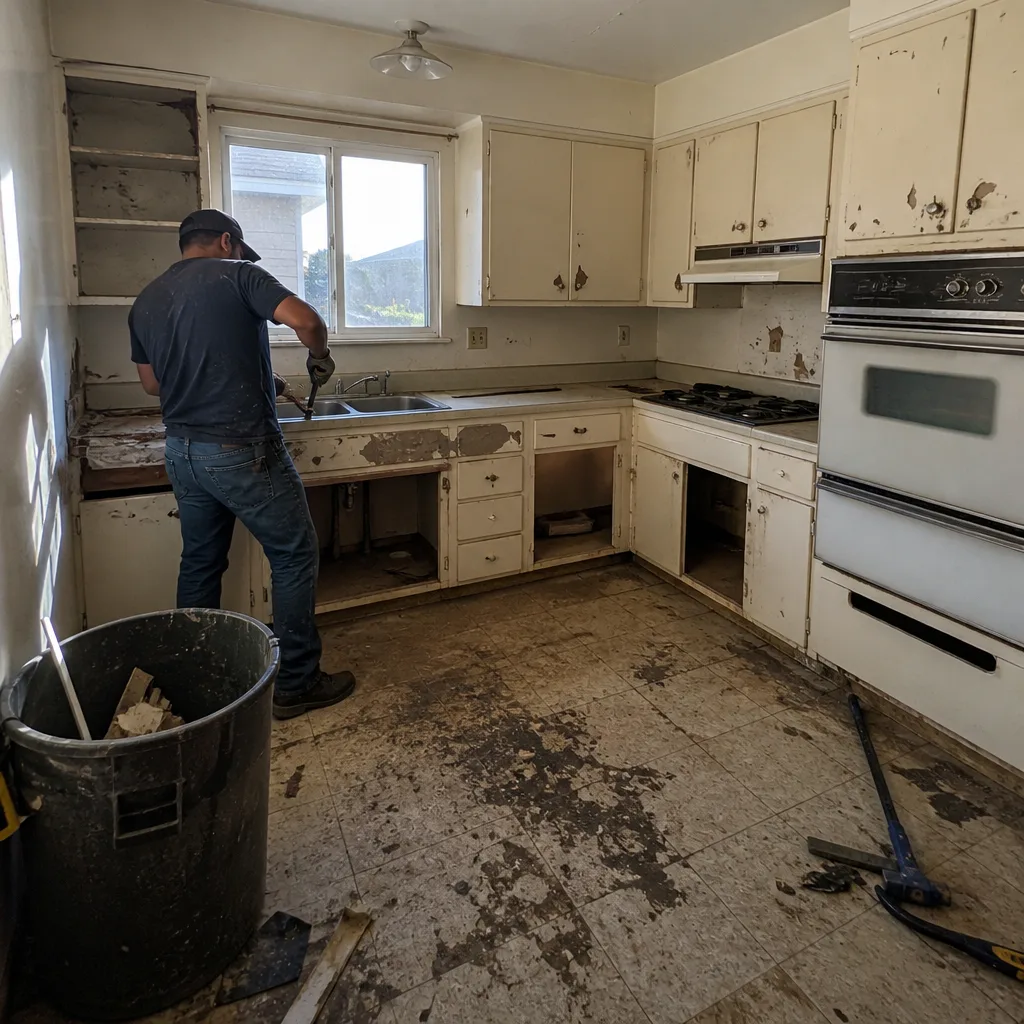
- Demolition. Removing old cabinets, taking out a dated vanity, pulling up carpet, tearing out a non-structural wall finish: all reasonable DIY, as long as you’ve confirmed what you’re removing isn’t structural. Get the contractor to do the structural assessment before you swing a hammer.
- Landscaping and planting. Planting, mulching, building raised beds and spreading new soil or gravel are solid homeowner projects. If your project uses bagged concrete mix for a small garden feature, a Quikrete or Sakrete product does the job with no permit needed. Larger pours or hardscape that affects drainage are a different story.
- Tile in non-wet areas. A fireplace surround, a backsplash or a laundry room floor is within reach for a careful DIYer. Waterproofing in a shower or bathroom floor is a specialty with real consequences. That’s the line.
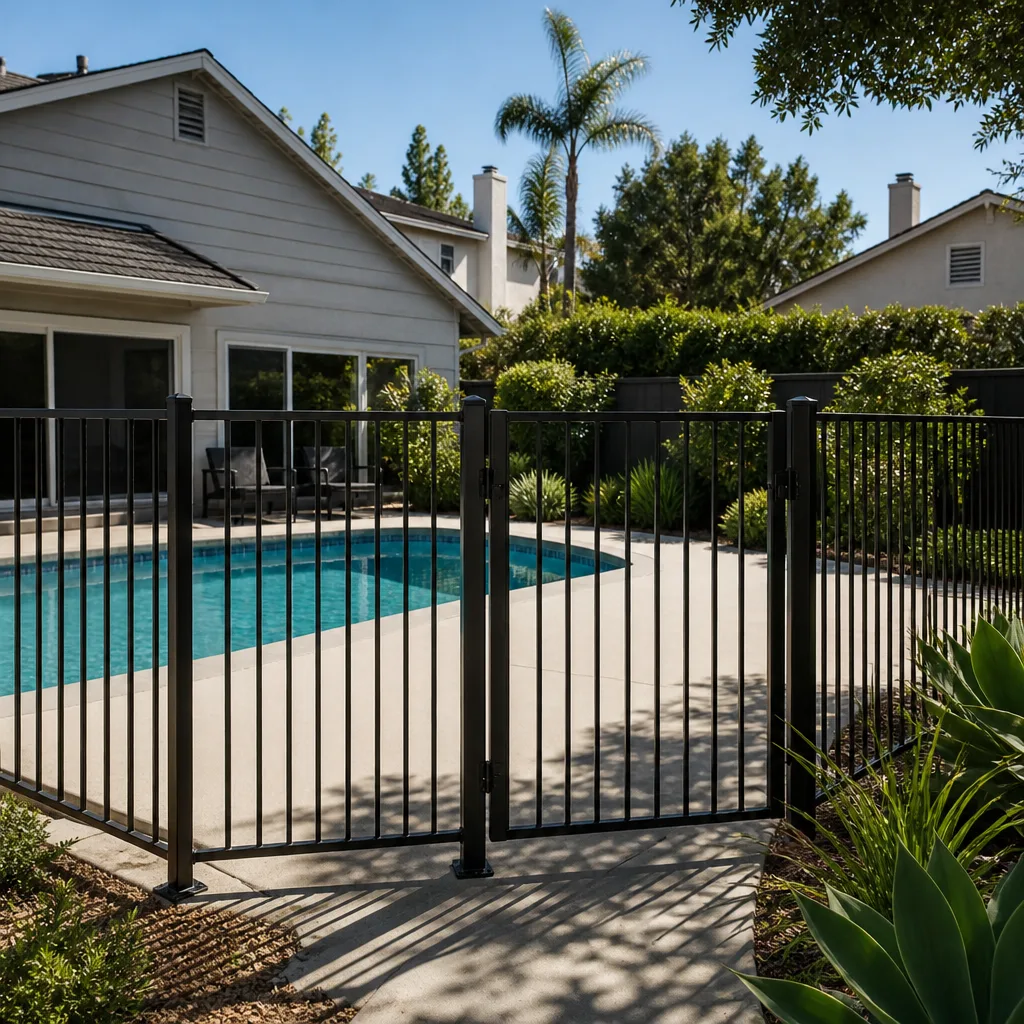
- Fence repair and fence painting. Replacing broken boards, staining a fence and resetting a post are manageable DIY tasks. New fence installation that involves a property line, a permit, or a height restriction is where it’s worth calling in a professional. When you’re ready, our fence installation team handles that work.
A reasonable split for a typical Inglewood home: DIY the finishes and demo, and let the licensed trades handle anything structural, electrical, gas, roofing or waterproofing-related. You keep the savings on labor and skip the liability.
How DIY Installation Voids Manufacturer Warranties
Every major building product in your home is backed by a manufacturer’s warranty. What most homeowners don’t realize is that many of those warranties require installation by a licensed or certified installer. Do the work yourself, and the warranty may be void before the products are even out of the box.
- Roofing. Shingle manufacturers such as GAF, CertainTeed and Owens Corning tie material warranties to proper installation. A roof installed without a contractor’s documentation often loses the wind and workmanship portions of its coverage, which is exactly the coverage that matters when your roof fails in a storm. We source from seven manufacturers, which lets a homeowner choose materials by design and warranty tier rather than accepting whatever is available.
- Windows and doors. Window manufacturers require qualified installation for warranty claims on leaks and seal failures. A window that fogs or leaks and can’t be warranted becomes a homeowner cost. We install PGT and Therma-Tru windows and doors with manufacturer-backed coverage.
- Waterproofing systems. Shower and wet-area waterproofing is the single most common place a DIY bathroom fails. The membrane manufacturer warranties the materials conditionally on proper installation. If the shower leaks and the warrantied installer wasn’t used, the coverage is gone.
- Fixtures. Brands such as Kohler, Moen, Delta, Grohe, Toto, American Standard, Blanco and Sterling carry their own product warranties. Hiring a professional installer means the manufacturer and the installer are both on the hook if something goes wrong.
Warranties follow installation. If you’re installing a product that costs five figures, spend a little more to keep the coverage intact.
What’s Different About Building in Inglewood
Inglewood is a distinctive construction market, and the DIY-versus-professional call sometimes changes based on local conditions. Here’s what we see working in this city and what tends to go sideways.
Housing stock varies widely. Inglewood has a mix of older homes and newer builds, and the older stock often holds surprises: out-of-date wiring, non-venting plumbing and additions made decades ago. Any DIY project that opens a wall in an older Inglewood home should assume there’s more behind it until proven otherwise.
Permits run through the city’s building department. Confirm requirements at your address before starting. This applies most strictly to additions, ADUs, roofing, electrical and plumbing. Our home additions & ADU team handles permit coordination, and we’ve found that prefab and modular partners such as Abodu and Cover often move through compliance faster than site-built construction because their designs are already engineered to code.
Wildfire planning affects materials. Los Angeles County and California have brushfire-conscious building rules that apply to exteriors and roof assemblies in certain zones. If your property falls in one, materials and installation methods may be prescribed rather than chosen. That’s a planning question, not a weekend project. When you need to know what applies, ask the building department what your address requires.
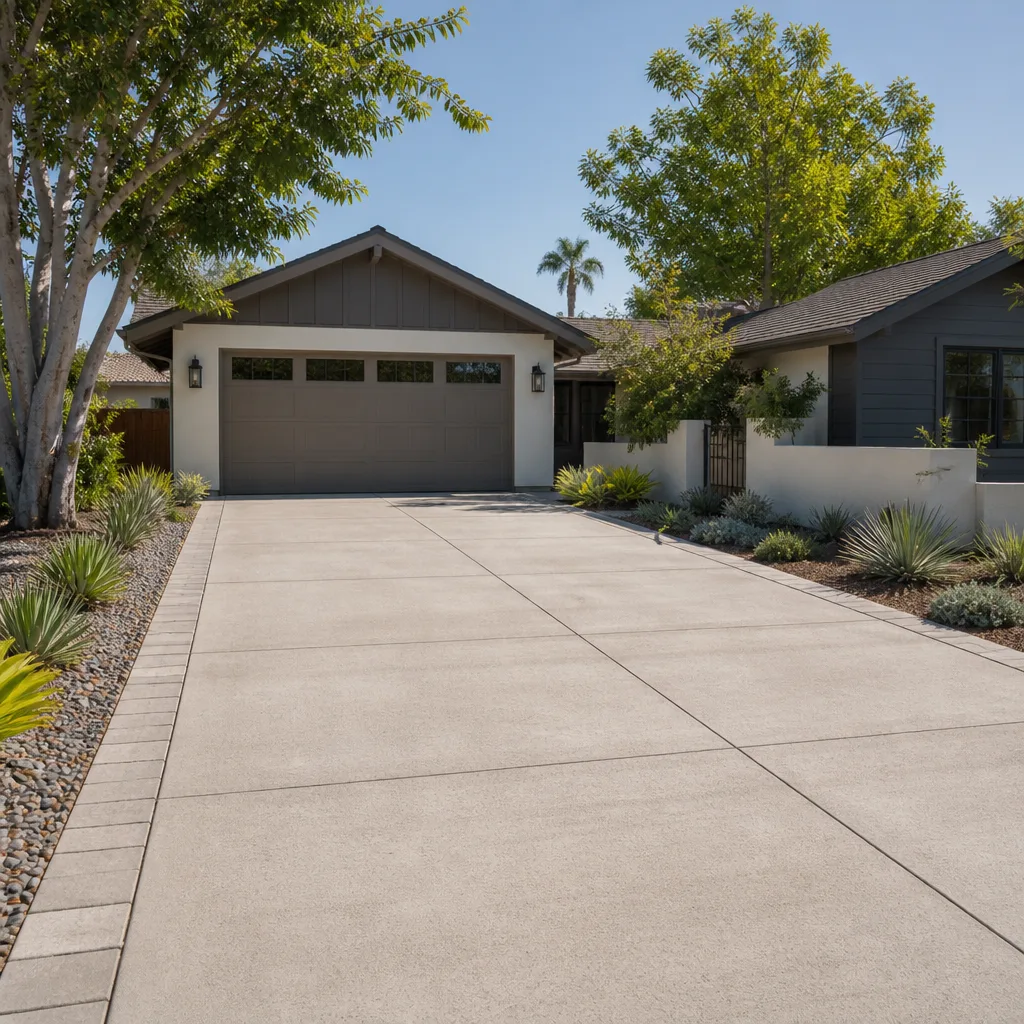
Driveways and hardscape see heavy sun. Inglewood’s hot, dry summers are hard on concrete and pavers. DIY pours often fail early because the mix, thickness and control joints weren’t right for the soil and sun. Our driveway & pavers team handles those installs with materials from Belgard, Unilock and Techo-Bloc. A properly built driveway is a once-a-generation installation; a DIY pour that cracks in two years isn’t a savings.
Fencing and property lines. Inglewood lots can be tight, and fencing often sits near a shared boundary. Even a simple fence repair can turn into a neighbor dispute if the fence isn’t yours. Confirm the boundary before you build.
A Step-by-Step Way to Evaluate Your Own Project
Run any project through this sequence before you decide. It takes a single afternoon and it lets you make the call with real information instead of a guess.
- Write down exactly what you want done. “Fix the bathroom” is not a scope. “Replace the tile floor, install a new vanity, and add a vent fan” is. Scope drives the rest of the analysis.
- Call your city building department. Ask which parts of your scope require a permit. Note every task that does. This alone resolves most DIY-versus-professional questions.
- Read the manufacturer’s installation instructions or warranty for every product you plan to install. If the warranty requires a licensed installer, that task is a professional job.
- Check whether the task is restricted to a licensed trade under California law. Electrical, gas, structural and plumbing work generally are. Confirm through the Contractors State License Board if you’re unsure.
- Sort each line of your scope into two lists: tasks you can do safely and legally yourself, and tasks that require a professional. What’s left of the first list is your DIY project. Everything on the second list goes to a contractor.
- Get at least two written estimates on the professional list. Ask each contractor to specify what permits they’ll pull, what materials they’ll use, and what warranty backs the installation.
- Sequence it. In most projects the professional work comes first, and the finishes come after. Plan your DIY around that sequence so you aren’t finishing a bathroom around a plumber’s return visit.
Doing it this way, most Inglewood homeowners end up with a scope that’s a mix of both: their own labor on finishes and demo, and licensed work on everything with a permit or a warranty attached.
The Middle Path: Partial Scope with a Single Contractor
The most common misconception is that hiring a contractor means hiring one for the whole project. In practice, plenty of homeowners handle the finishes and demo themselves and hire out the parts that carry permits or warranties. The problem that comes up next is coordination: roofing goes through one company, windows through another, plumbing through a third, and the homeowner ends up project-managing trades for a single job. That’s where a contractor who covers multiple categories under one relationship makes the difference.
A single contractor who can handle exterior upgrades, interior remodels and property expansions means one point of contact for the whole scope. When we take on an Inglewood project, we offer seven service lines under one relationship: Roofing, Windows & Doors, Fence Installation, Driveway & Pavers, Kitchen Remodeling, Bathroom Remodeling, and Home Additions & ADU. That doesn’t mean the homeowner does nothing; it means the homeowner does the parts that fit their skill and the licensed team handles the parts that don’t. When you’re ready to talk about scope for your own place, we’re the team behind Construction Inglewood, and we’re happy to walk through what your project actually requires.
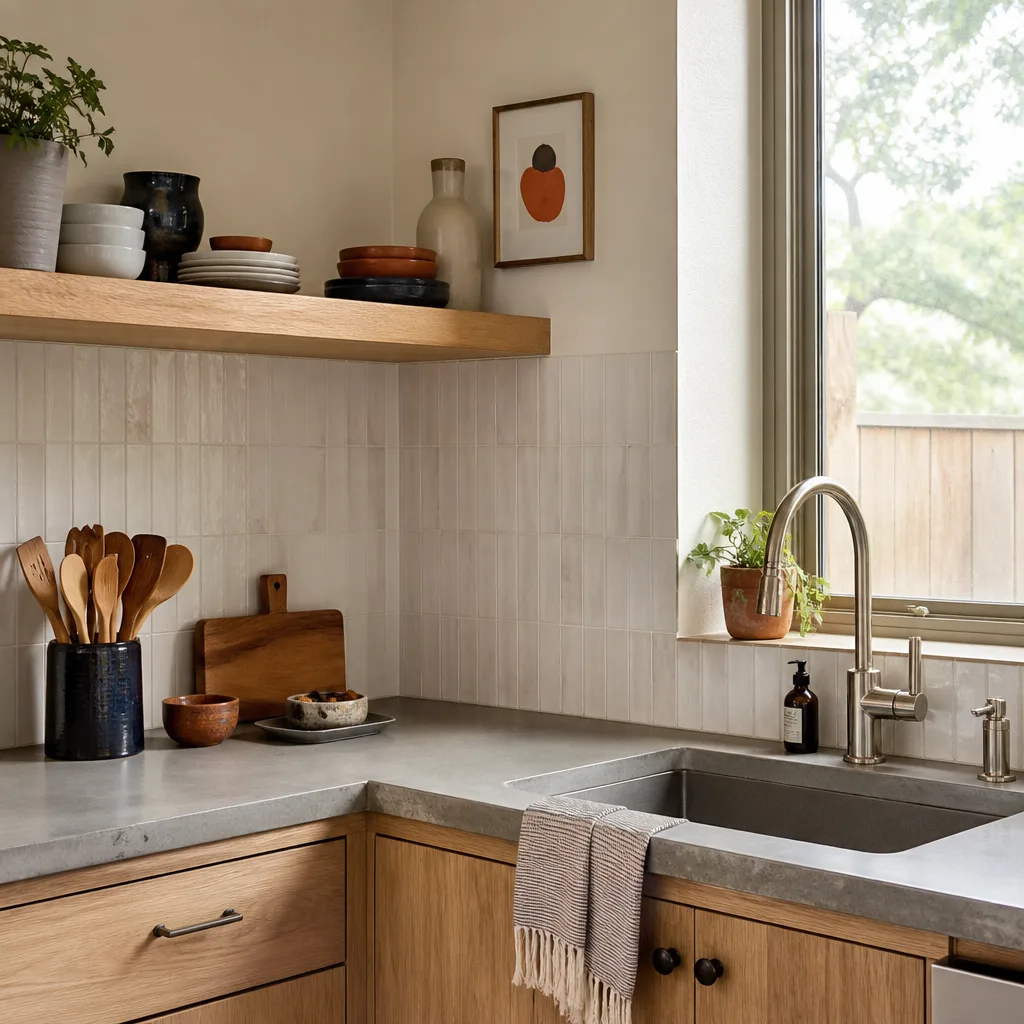
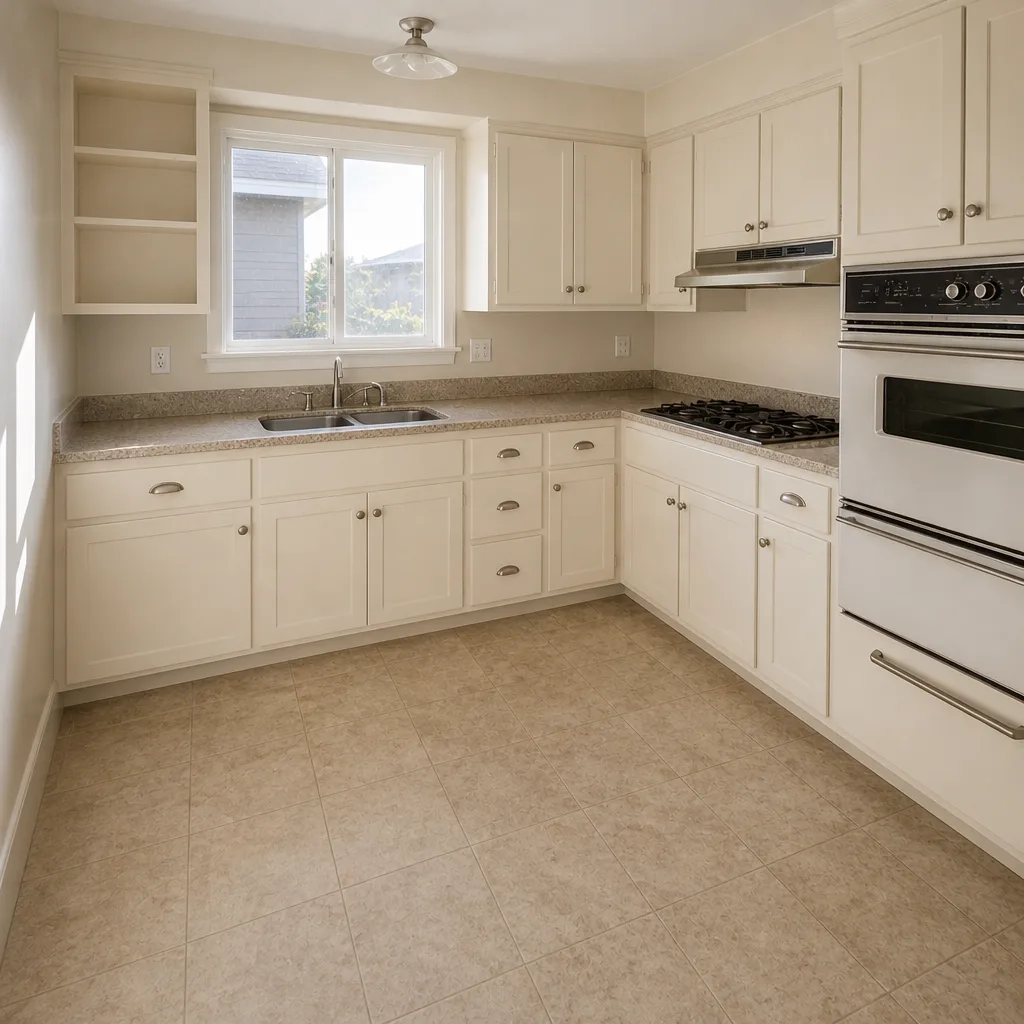
For kitchens and bathrooms, the coordination advantage shows up in material selection. Homeowners choose KraftMaid cabinetry with built-in warranty coverage, Cambria, Silestone or Caesarstone counters, and fixtures from Kohler, Delta, Moen or Grohe without juggling three vendors. For exterior work, brand partners across roofing, paving and fencing mean you aren’t limited to a single manufacturer’s upgrade path. You choose the material, we handle everything else.
Common Mistakes to Avoid
- Assuming a permit isn’t needed because the job is “small.” Electrical panel changes and water heater swaps are routine, but they still require permits. Assume a permit is needed until the building department tells you otherwise.
- Hiring an unlicensed contractor because the price is lower. California requires contractors to be licensed, and a contractor without a license often comes without insurance. If a worker is injured on your property and the contractor isn’t insured, the exposure is yours.
- Buying materials first and hiring second. Roofing and window installations have specific material requirements tied to warranties. Select the contractor and confirm the material before you buy anything.
- Planning on a Saturday start. We’re closed Saturday and the building department is too. Plan site access and material delivery around the working week, and Sunday through Friday, 7am to 7pm, is when we can dispatch a technician.
- Skipping the underground work. Driveways and hardscape fail from what’s underneath. A DIY pour over an ungraded base will crack regardless of the surface mix.
- Not checking the neighbor’s boundary before installing a fence. Inglewood lots share boundaries closely, and fence disputes get expensive fast when the fence is on someone else’s property.
- Assuming fixtures are interchangeable. A shower valve from a different manufacturer often means repairing the whole shower enclosure later. Confirm the brand with your contractor before you buy the trim kit.
See the difference
 Before
 After
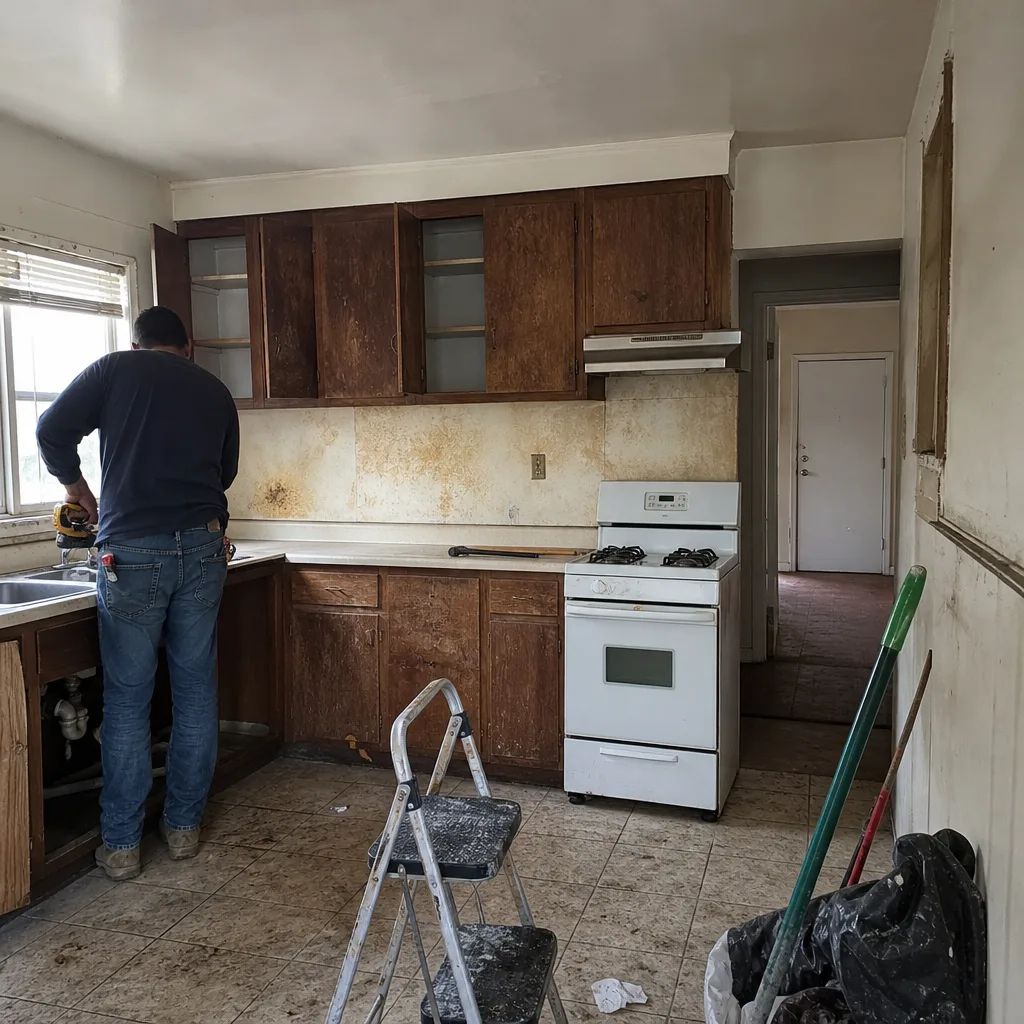 Before
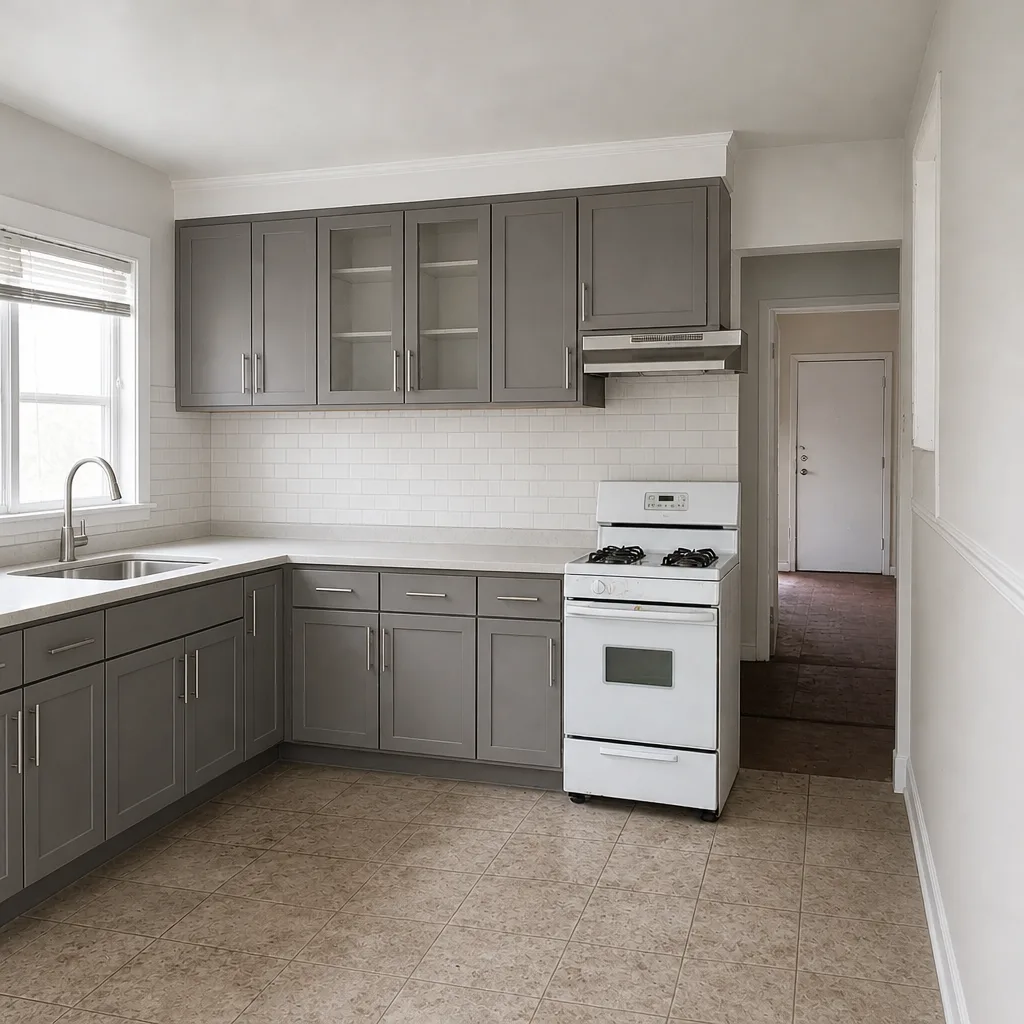 After
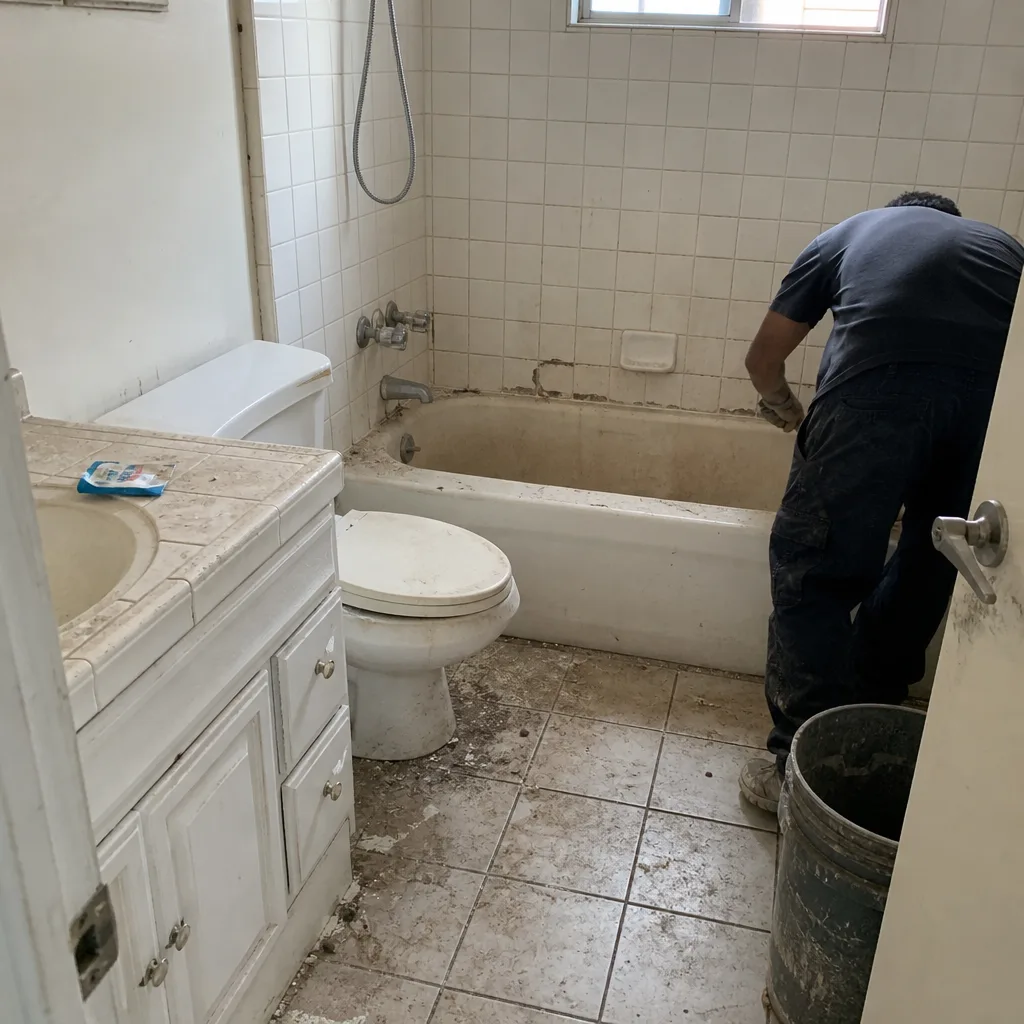 Before
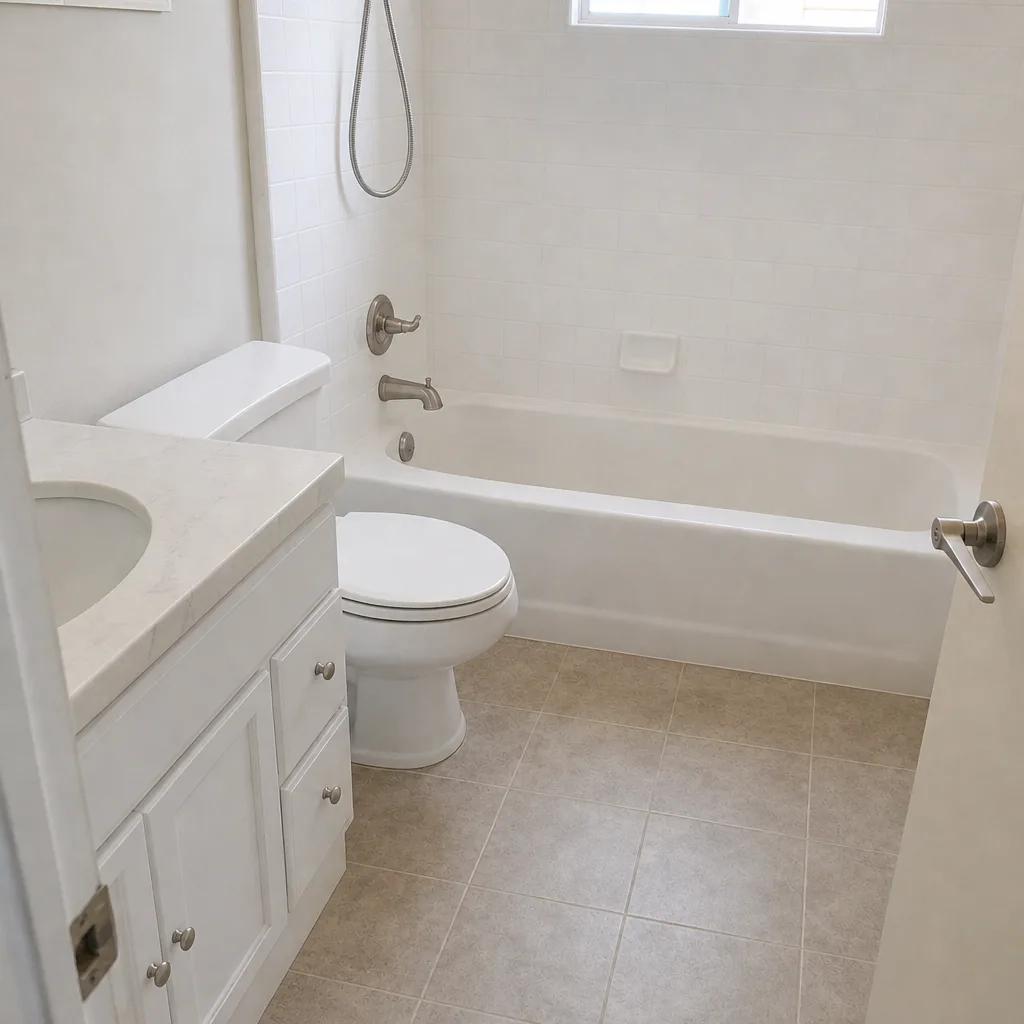 After
When to Call a Professional
Call a licensed contractor when your project involves structural changes, an electrical panel or new circuits, gas line work, a roofing or window installation you want warrantied, a bathroom shower or floor, a new fence or driveway, or any work your city requires a permit for. Call us if you’re uncertain about the scope and would rather have a professional look at it than guess. Construction Inglewood offers free estimates in Inglewood: call (844) 320-4724. We answer 24/7, and fast dispatch runs from 7am to 7pm, Sunday through Friday. With up to 14 years of experience on our technician team and manufacturer partnerships across 50+ brands, we can scope your project and tell you plainly which parts belong with us and which parts are worth doing yourself.
Frequently Asked Questions
California restricts most electrical work to licensed electricians and requires permits, so panel upgrades, new circuits and rough wiring are not legal homeowner projects. Simple changes such as swapping a light fixture or replacing an outlet are typically allowed, but confirm with the building department. Anything involving the panel or a new circuit goes to a licensed electrician. Call (844) 320-4724 for a free estimate on the electrical scope.
You must disclose it, and buyers will usually demand remediation, price adjustment or a credit before closing. Unpermitted square footage often can’t be financed by the buyer’s lender, which can kill the sale or force a lower appraisal. In some cases the city can require you to bring the work into compliance. Do the permitting up front; it’s the cheapest path.
For the labor line on a like-for-like project, hiring a professional costs more up front. Once you factor in permits, inspections, warranty coverage, insurance and remediation costs for failures, the gap narrows considerably. On anything involving a roof, a window, a shower or an electrical panel, DIY rarely saves what it costs when something goes wrong. Call (844) 320-4724 for a free estimate and see the real numbers.
It can. Many policies exclude or limit coverage for unpermitted work and for damage caused by homeowner-executed work in restricted trades. If a fire starts because of a homeowner-installed panel or a leak ruins the subfloor because of a DIY shower, the claim may not be covered. Talk to your insurer about your specific project before you start.
Demolition, paint, tile on dry walls, installing a pre-made vanity and adding finish hardware are reasonable DIY tasks in an Inglewood bathroom. Shower waterproofing, rough plumbing, electrical for lighting or vent fans and anything behind a wall belong with a licensed contractor. The shower is where DIY bathrooms fail most often. Call (844) 320-4724 for a free scope review.
Often yes. Fence height and placement rules and driveway construction typically trigger a permit, and both can affect drainage and inspection requirements. Confirm with the building department before you start. If the permit applies, plan for a licensed contractor to handle the installation. Call (844) 320-4724 for a free estimate on fence and driveway scope.
The Bottom Line
DIY and professional construction aren’t opposites; they’re two halves of a smart project plan. The decision for each task comes down to three tests: does it need a permit, does the manufacturer require licensed installation for the warranty, and does California law restrict the trade. Painting, demo, landscaping and dry-area tile are worth doing yourself. Electrical, gas, structural, roofing, windows, waterproofing and permitted hardscape belong with a licensed contractor, both for the workmanship and for the record that keeps your home insurable and sellable. In Inglewood, the housing stock and the permitting process reward homeowners who plan up front. The estimate is free, so use it.
Ready to plan your project? Call (844) 320-4724 for a free estimate from the team at Construction Inglewood. We answer 24/7, with fast dispatch from 7am to 7pm, Sunday through Friday. One contractor from the driveway to the ridge line, with manufacturer partnerships across 50+ brands.
Written by the team at Construction Inglewood.